
Literature
Featured
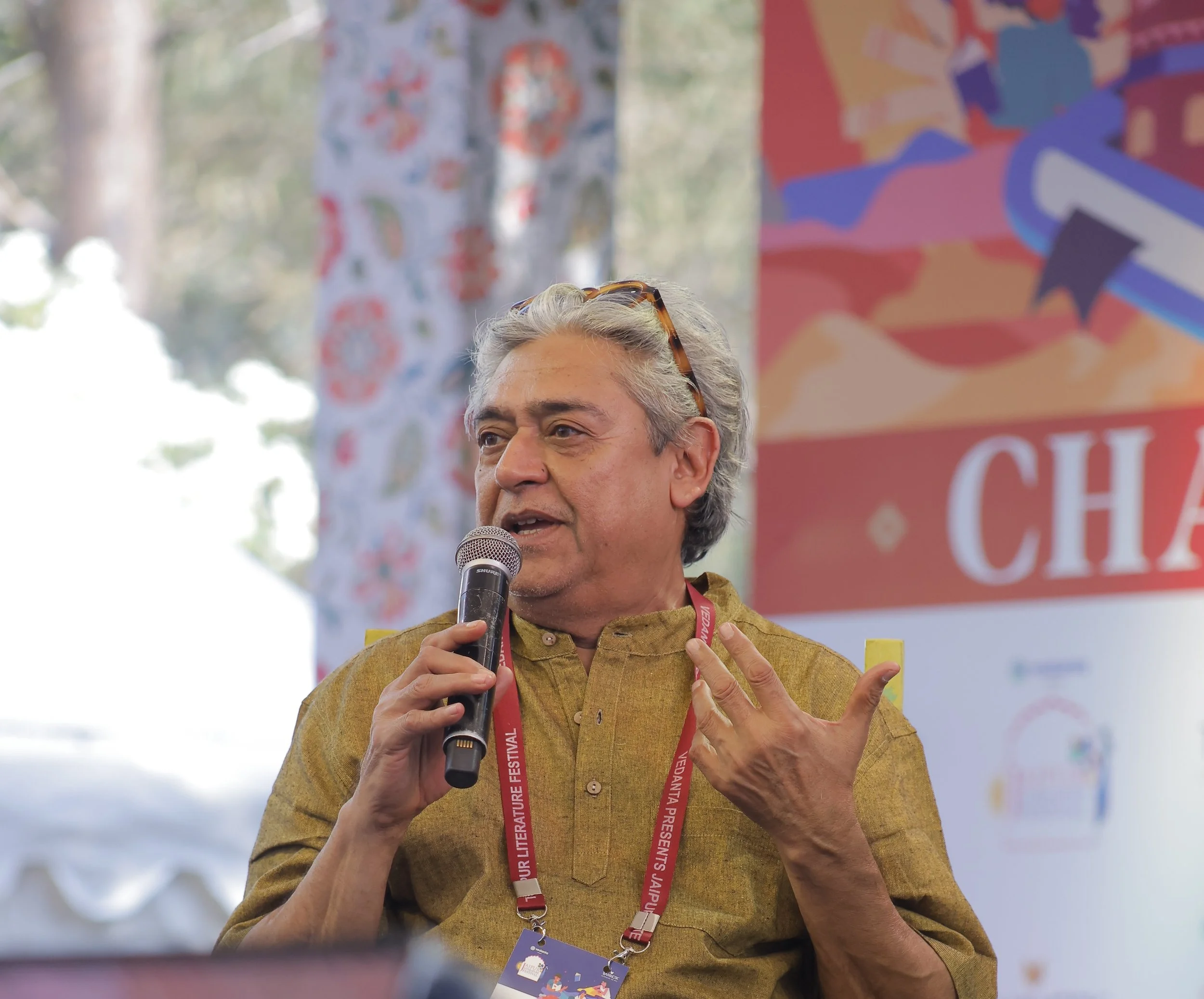





Q&A: Ruchir Joshi speaks about Great Eastern Hotel—a novel of changing times and changing minds—about Calcutta, and his inspirations from art and memory. By Amritesh Mukherjee
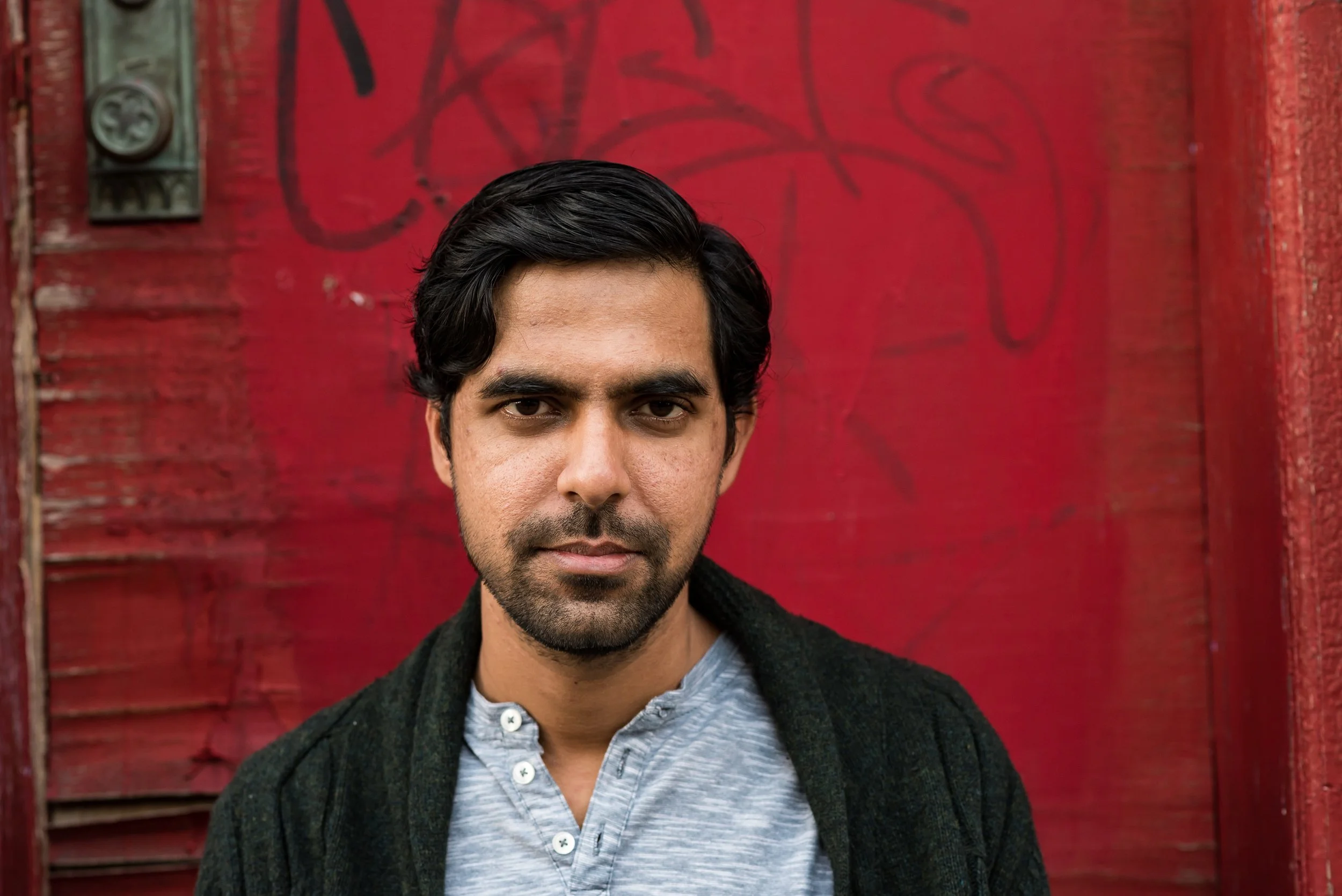
In a detailed interview, Karan Mahajan spoke about exploring the uneven spaces between love and lust in the characters of The Complex, the prism-like perspectives of an extended Indian family, and how Delhi inspires his literary work. By Karan Madhok
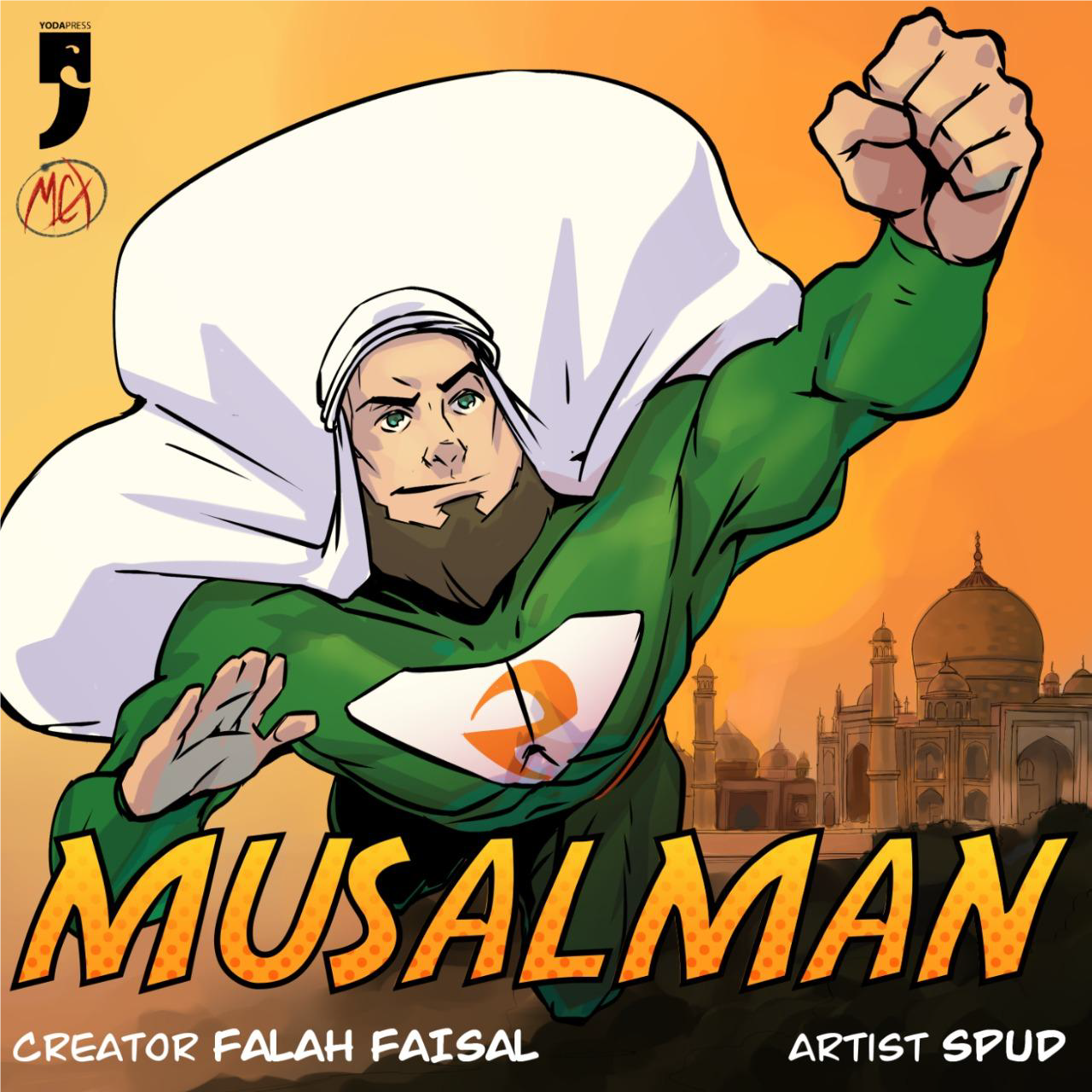
An excerpt from Falah Faisal and Spud’s graphic novel Musalman (2026): Join Musalman as he discovers his reason for existence and battles hateful TV anchors, mythological villains, and prejudice—while landing more punchlines than punches.
From ancient Hindu traditions of retributive violence as well as history of aid and inspiration from abroad, Abhimanyu Kumar explores the complicated associations of our national song with India’s revolutionary movement.
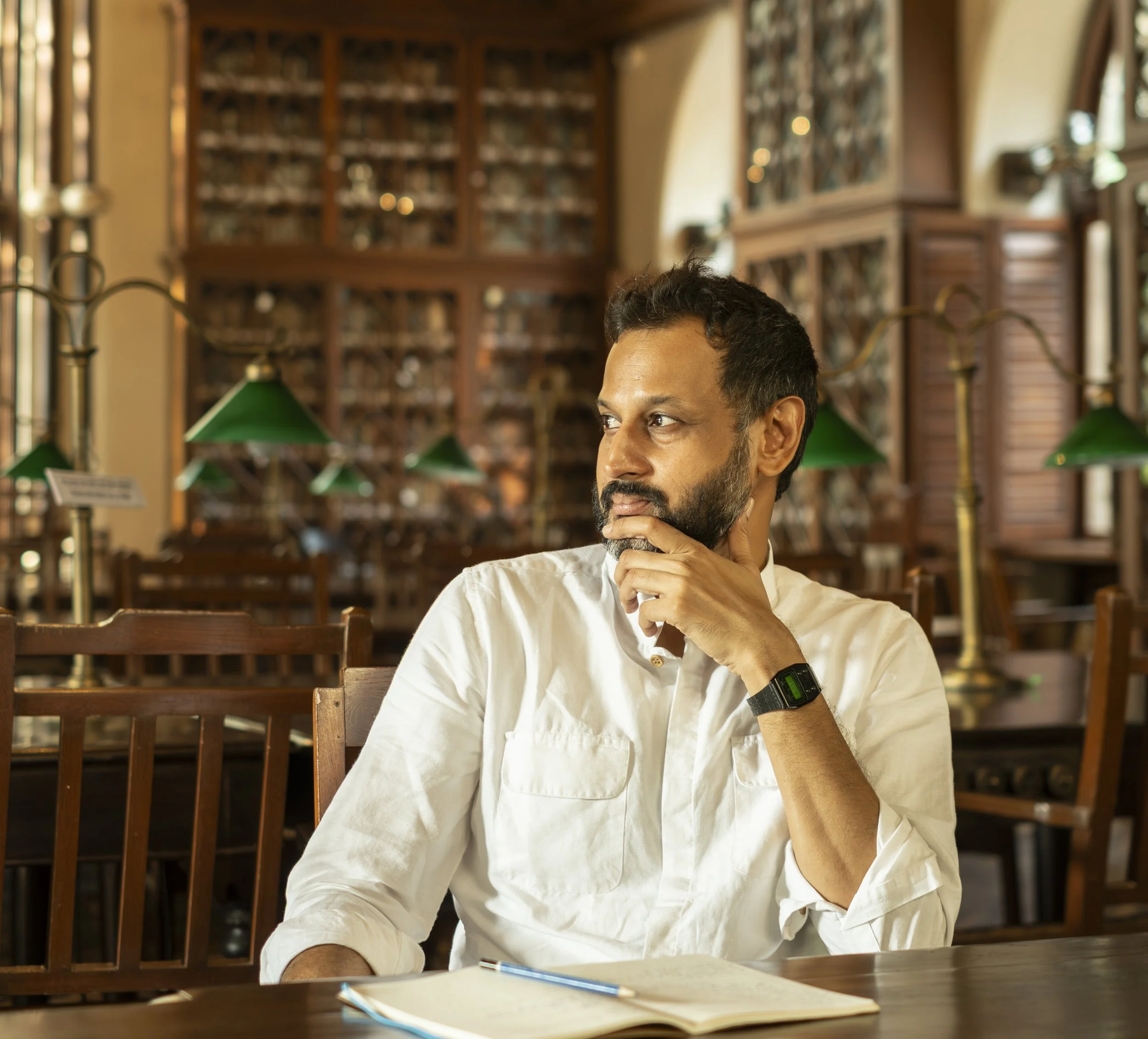
Rahul Bhattacharya speaks about the musicality behind Railsong, the taxonomical motifs at the heart of his novel, cricket journalism, and finding inspiration in Toni Morrison. By Saurabh Sharma
In Never Logged Out, Ria Chopra presents astute observations on growing up online, Gen Z, and the Indian internet, approaching these subjects with a writer’s restraint rather than a theorist’s grandiosity. By Sneha Bengani
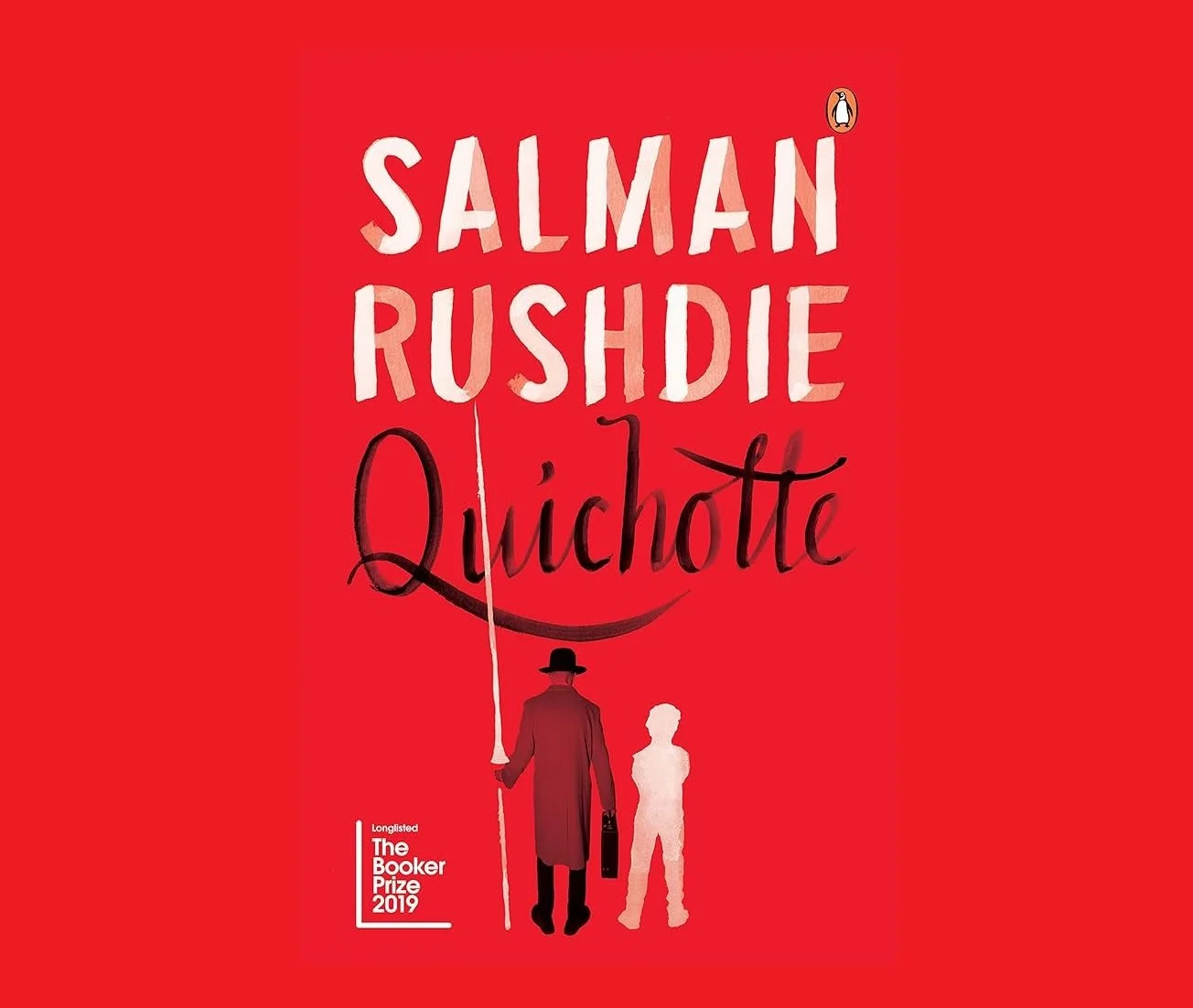
In Quichotte (2019) Salman Rushdie deconstructs the motif of the quest while creating a darkly humorous, grotesque, and irreverent anti-heroic saga of a modern day mock medieval knight. By Paromita Patrabonish
From its origins in the 1882 novel Anandmath, the attention of European Orientalists, and the impact on early Hindu nationalist movements, Abhimanyu Kumar traces the complicated legacy of India’s national song.
In a wide-ranging interview, Salini Vineeth speaks about profound questions of identity in her work, switching to literature after an engineering background, writing in multiple languages, and more. By Mitra Samal
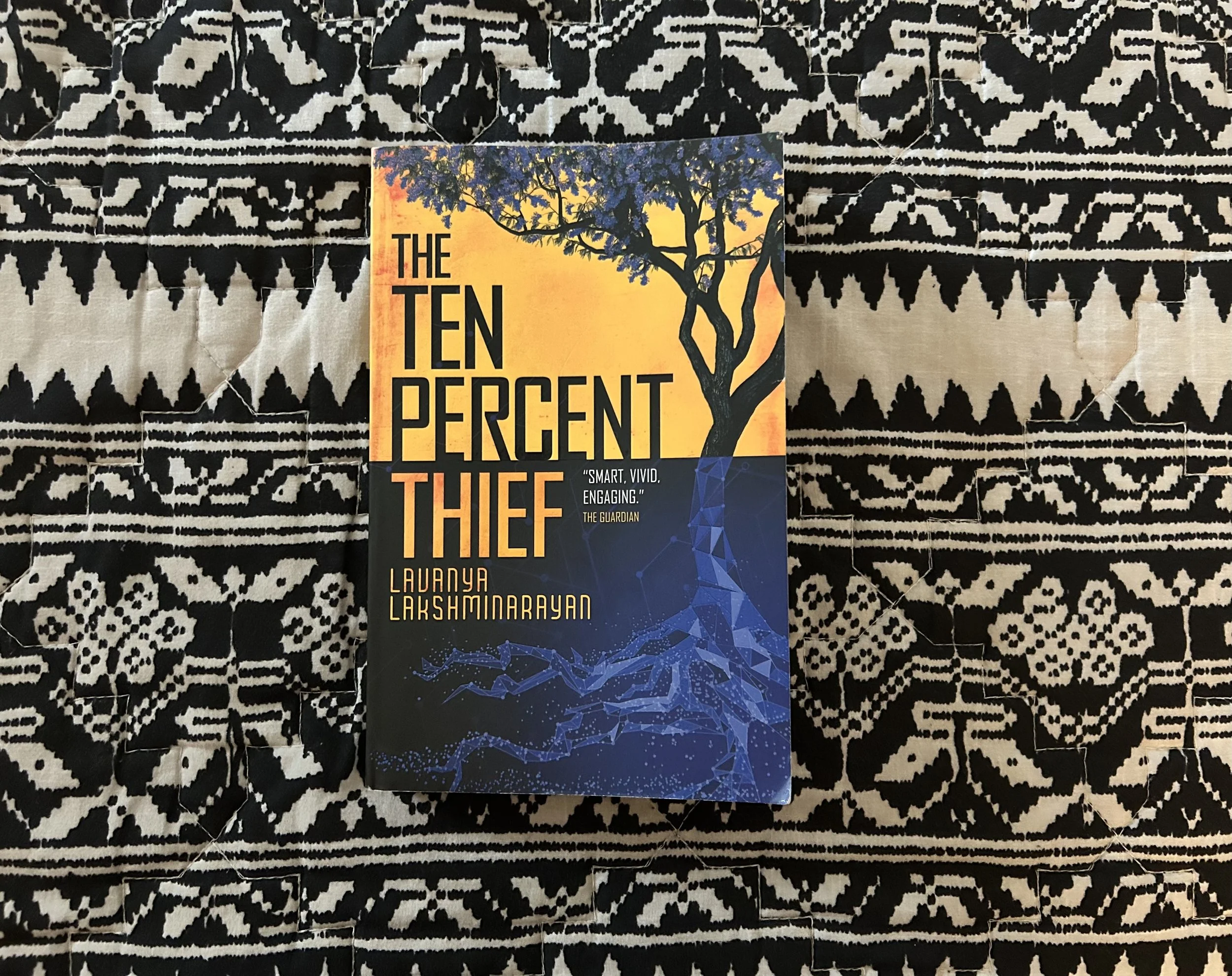
In Lavanya Lakshminaryan’s The Ten Percent Thief, a dystopic Indian future serves as the setting to explore existential dilemmas of human creativity in the face of an authoritarian technocracy. By Karan Madhok
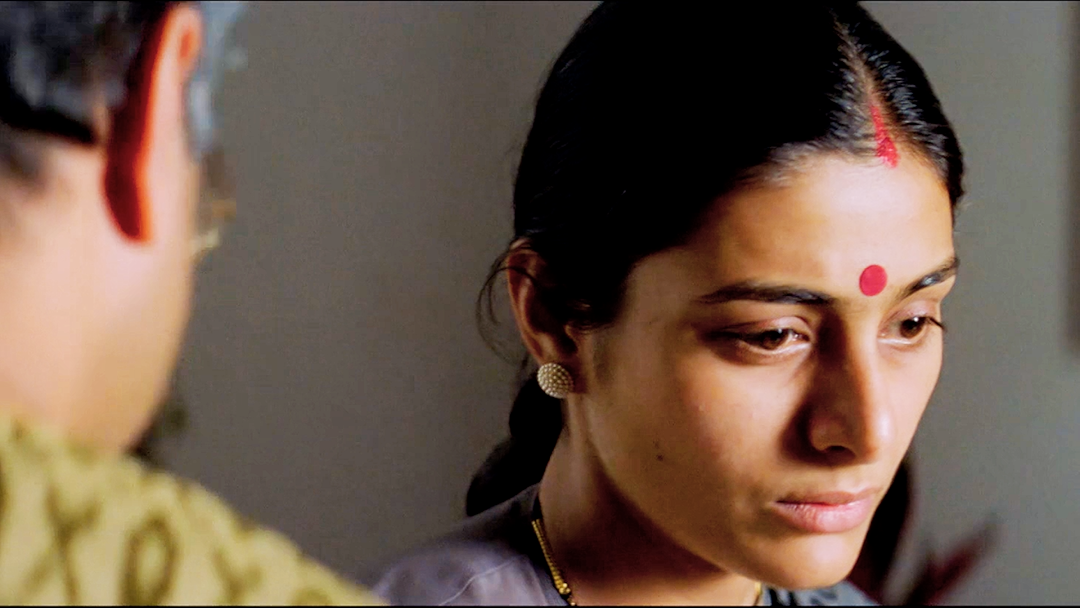
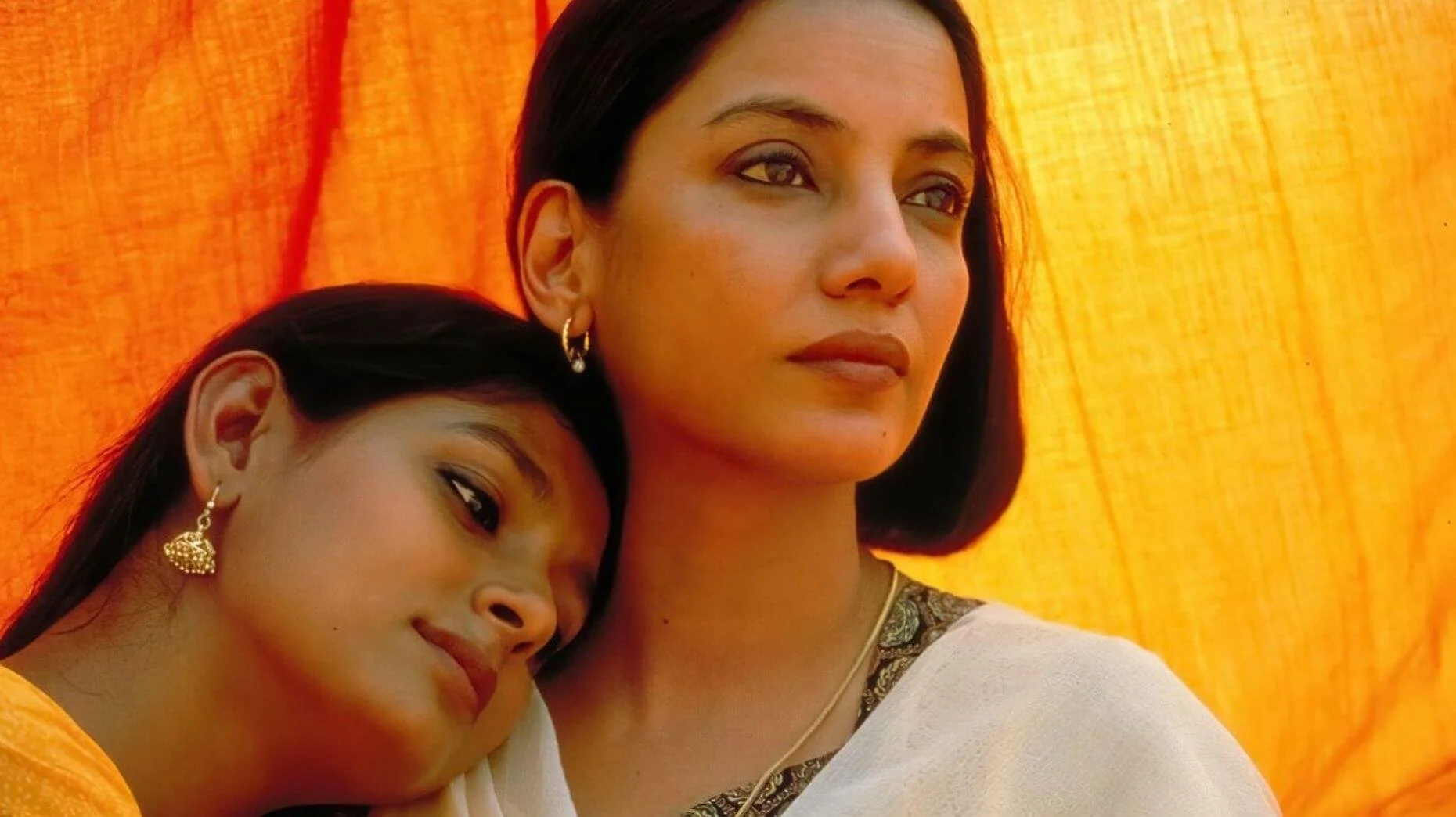
Farah Ahamed examines the complexities of motherhood and desire in Saadat Hasan Manto’s “Mummy,” Mahesh Manjrekar’s Astitva, and Deepa Mehta’s Water.
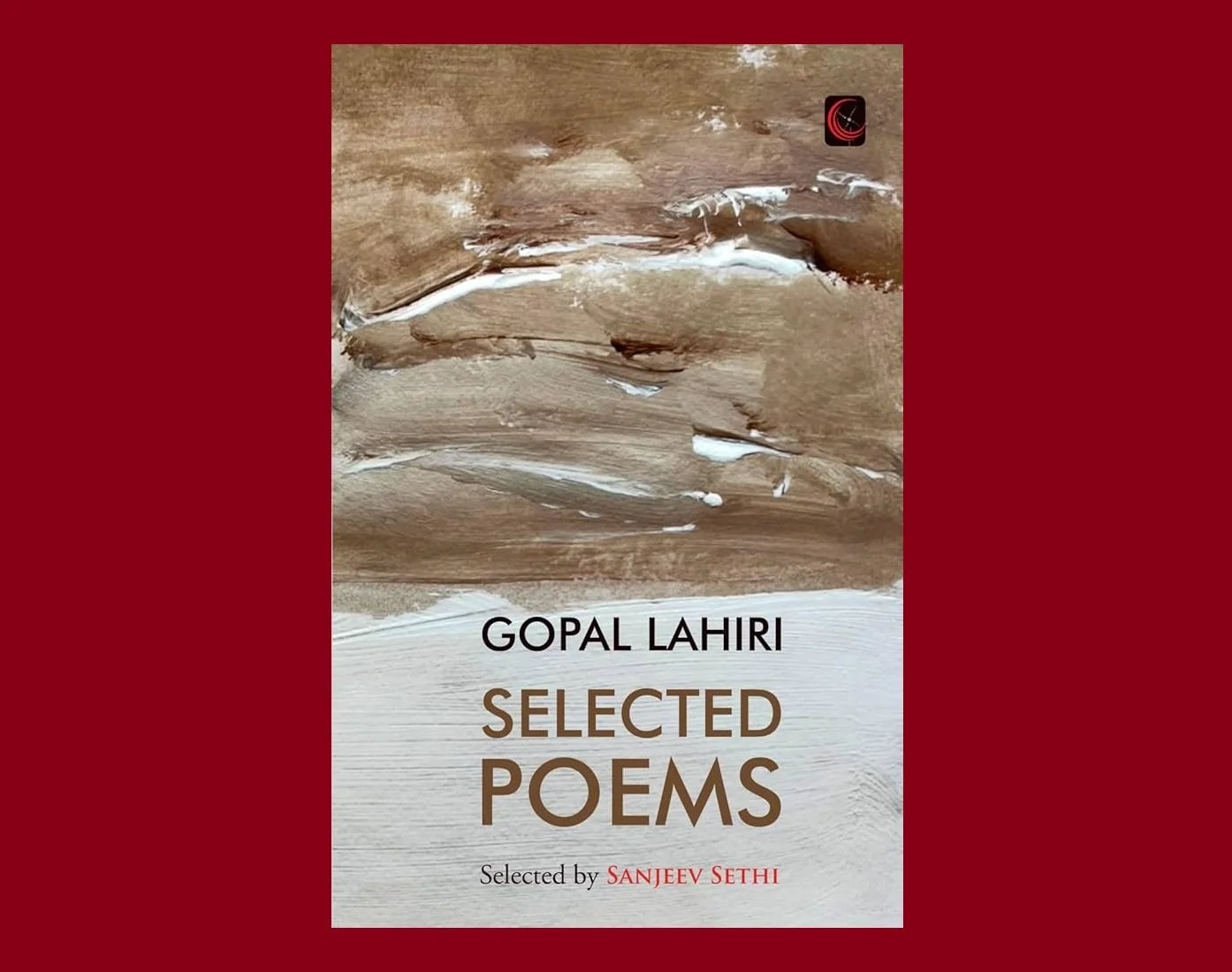
“Poetry is the diary I always carry with me.” Gopal Lahiri’s collection Selected Poems (2025) cultivates a privacy that invites readers to the poet’s second self in consciousness. By Dustin Pickering
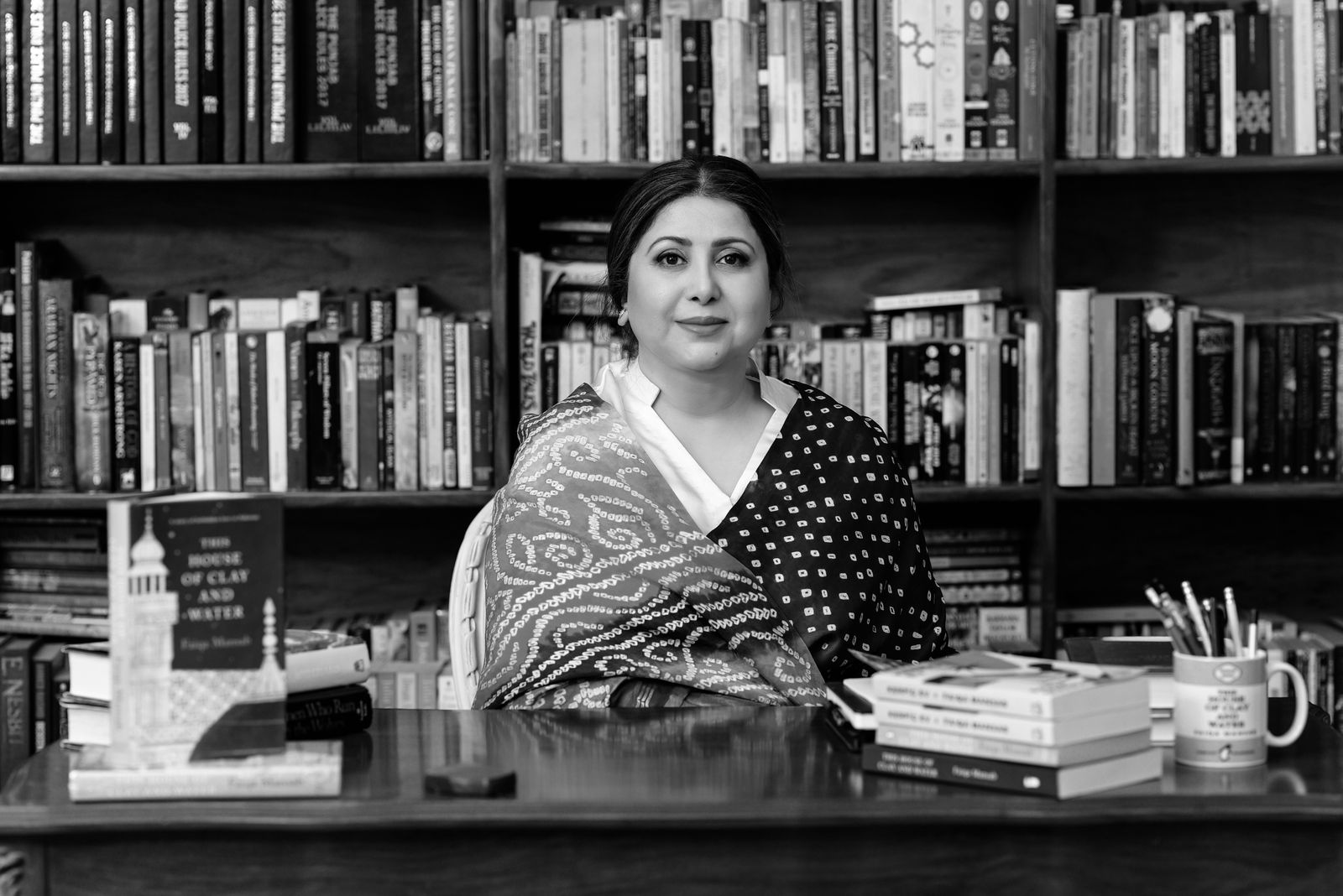
The Pakistani author Faiqa Mansab of The Sufi Storyteller speaks about women’s lives as messy, constrained, and politically situated, of motherhood as both power and erasure, about abandonment as a recurring human condition, and more. By Namrata
In her translation of Gujarati literary giant K.M Munshi’s “Ek Patra,” Rita Kothari uses language to reveal not just the story, but the hidden realities of the lives inhabited by the characters. By Rohee Dholakia
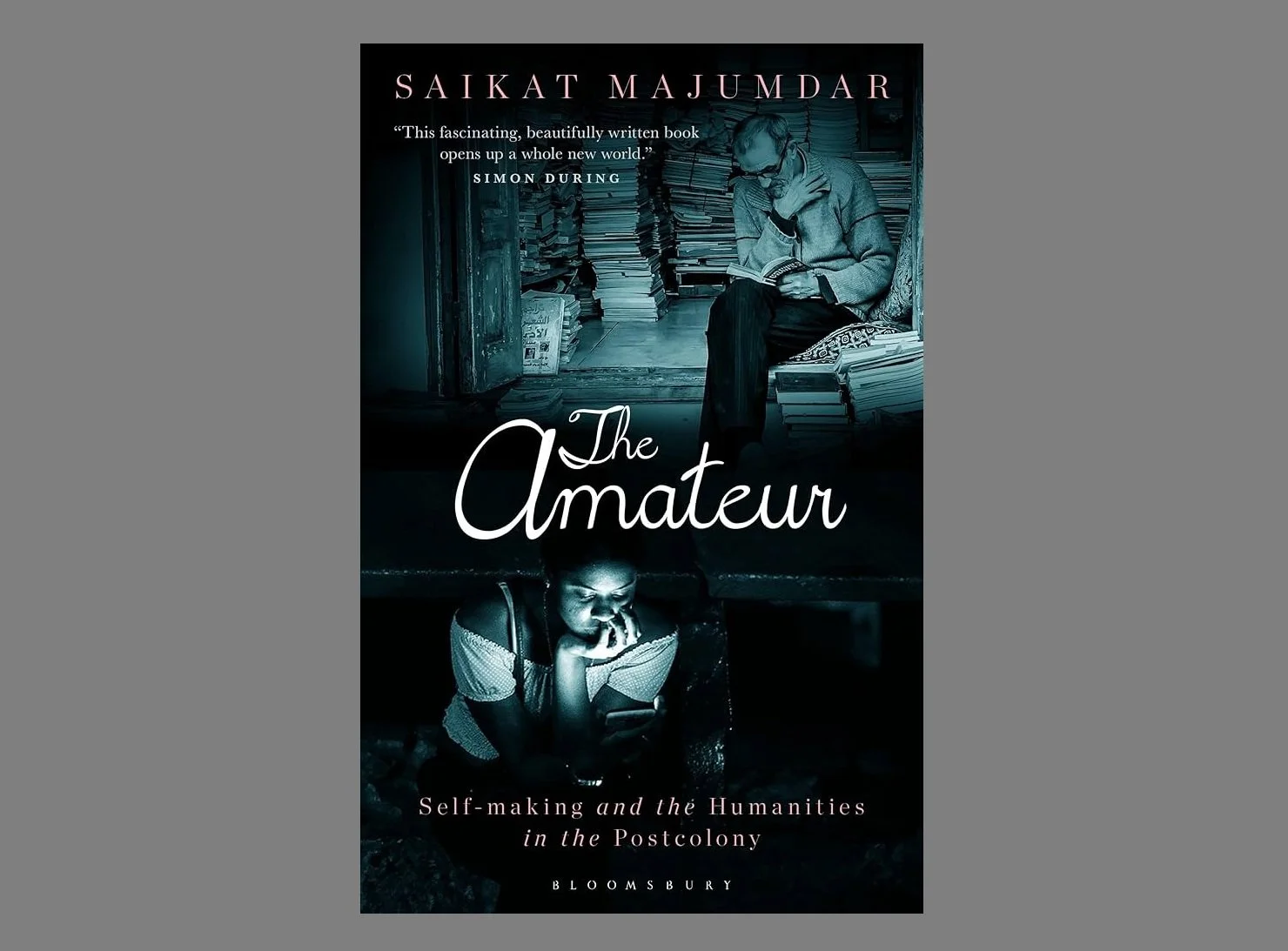
In The Amateur (2024), Saikat Majumdar explores education, humanity, and inclusivity from different perspectives to highlight the major flaws of colonial education. The book asks for intensive correction in institutions and in the people’s psyche. By Kabir Deb
Without clear regulatory mechanism against AI data mining, Indian publishers have begun adapting voluntary frameworks. Madhuri Kankipati argues for the urgent need for the AI governance guidelines to set legislation and protect creative workers in a multilingual, digitally expanding nation.
In the art of filmmaker Deepa Mehta and writer Ismat Chughtai, Farah Ahamed explores themes of patriarchy, infidelity, and a testament to the desires of women.
Sanjana Ramachandran’s debut Famous Last Questions investigates the clash of the personal with the sociopolitical. The author speaks about masking and unmasking herself, finding comfort in contradictions, and the flawed institutions of marriage, relationships, and work. By Karan Madhok
Personal Essay: Who has access to knowledge? Ph.D. scholar Swathi Priya explores how multidisciplinary lenses of caste inclusion, neoliberal market, liberal ideology, mental health imperatives, and literature inform her larger research goals.
Through memories, juxtapositions, and observations of the intricate, the poems about Guwahati in The Penguin Book of Poems on the Indian City (2025) portray a city that no longer exists, having metamorphosed into a new ‘synthetic’ space marred by politics and reckless urbanisation. By Ayaan Halder
Acclaimed author Meena Kandasamy discusses the uncompromising and unapologetic resolve in her writing, confronting violence with art, and why activism is a form of love. By Saurabh Sharma
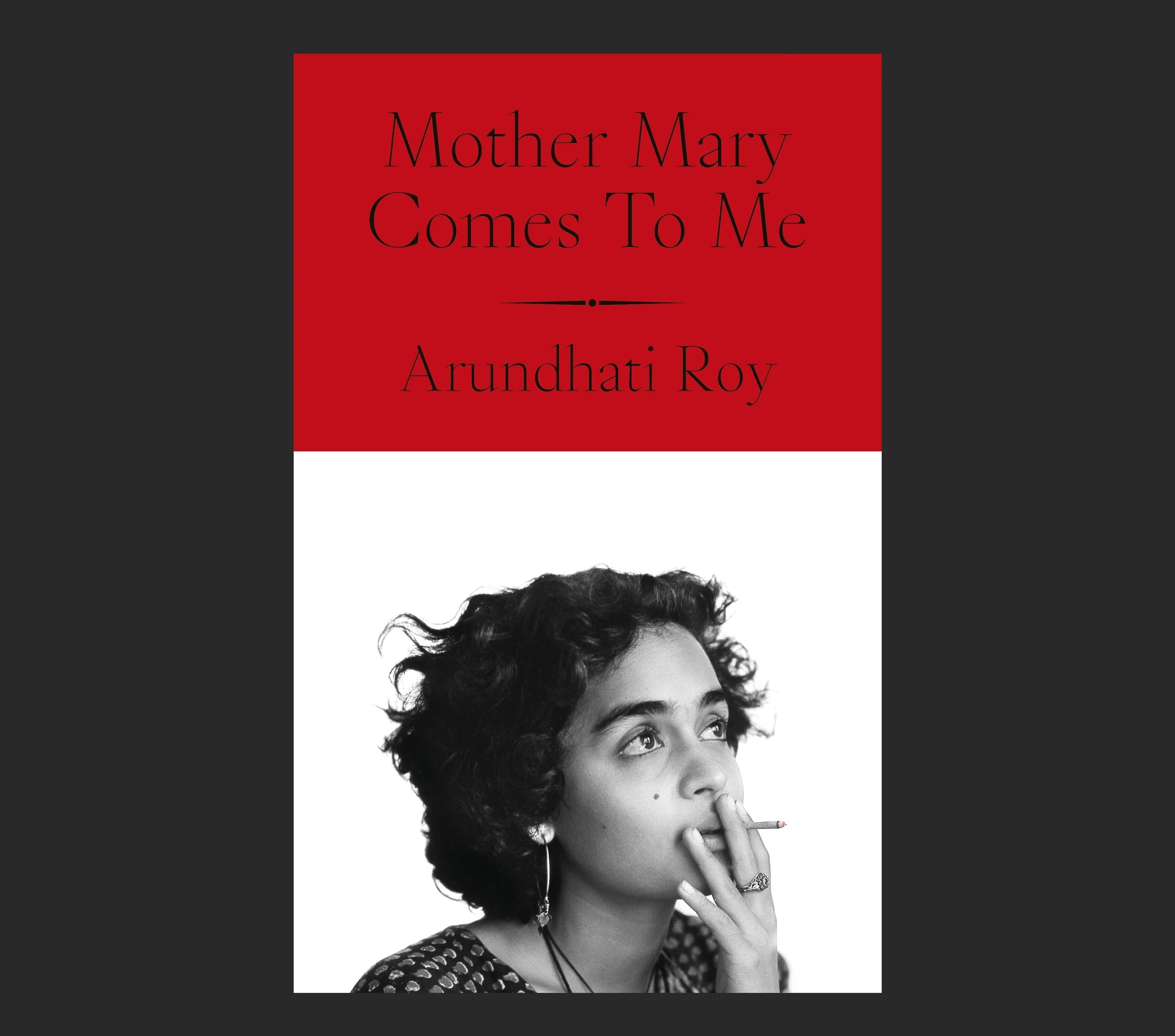
Through her memoir, Arundhati Roy revisits the foundry where her courage was forged, to the mother who didn’t prepare her for success, but inadvertently trained her to withstand both adoration and hatred to determine her survival. By Amritesh Mukherjee
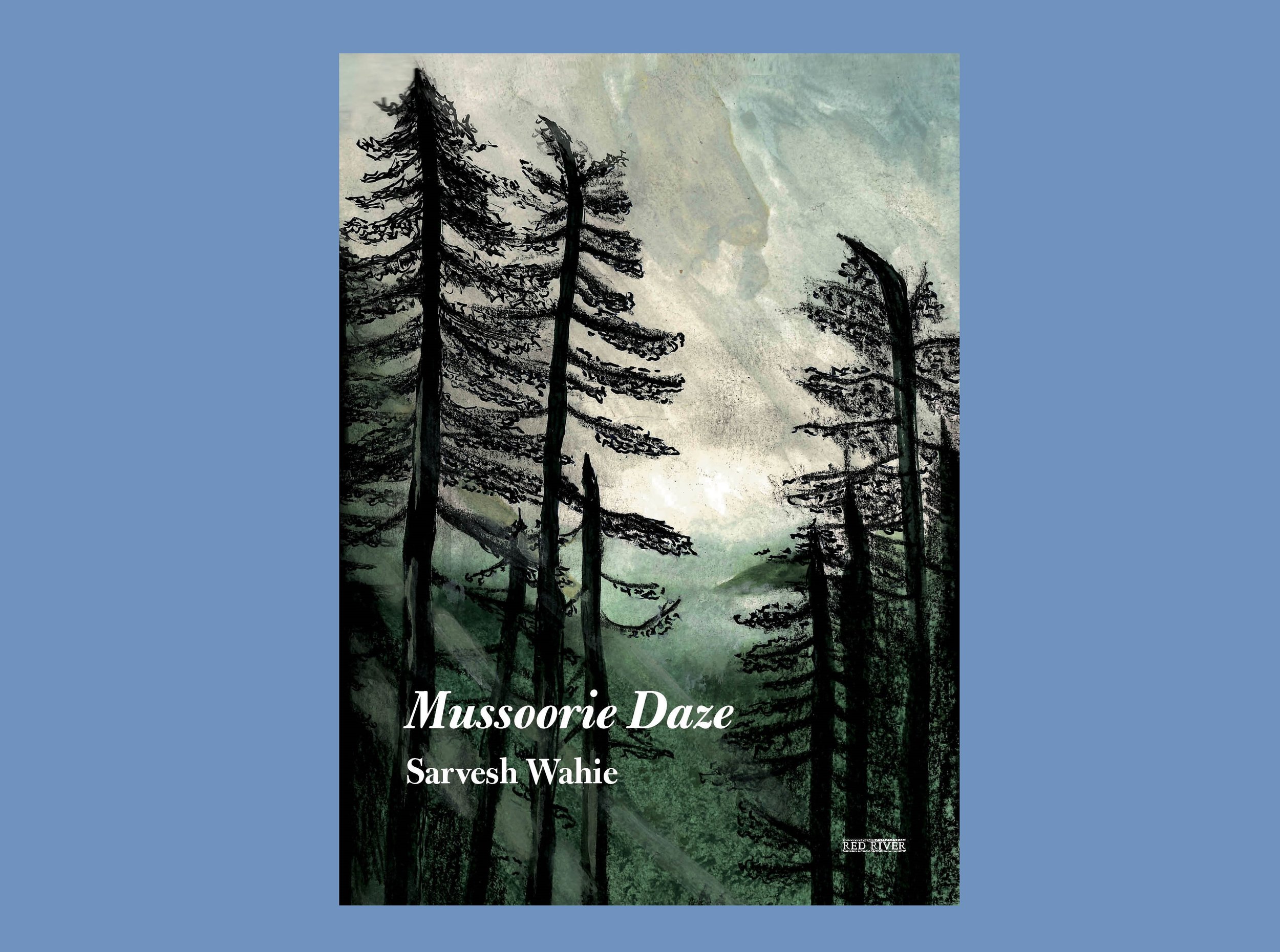
Written with understated, sublime beauty, Sarvesh Wahie’s Mussoorie Daze (2025) is a literary and philosophical text that examines the ontology of a lost Himalayan paradise, and the changing character of memory, self, solitude, and community. By Abhimanyu Kumar
In a detailed conversation, poet Madhu Raghavendra speaks about his literary journey, finding space for politics in his poetics, the inspiration of art and bhakti in his work, and more. By Chittajit Mitra
Mehak Jamal’s Loal Kashmir (2025) is a witness, a tender archive of what it means to love in a region of conflict—how intimacy reshapes itself around checkpoints, how longing endures without signal bars, how the heart insists on ordinary joys in extraordinary times. By Shivani Patel
In Night in Delhi (2025), Ranbir Sidhu lays bare the city of shadowlands, and of lives pushed to the margins of visibility and worth, as it exists in continuum alongside the bright and aestheticized metropolis. By Anjali Chauhan
The picture book Roop and the River Crossing (2025)—written by Samina Mishra and illustrated by Shivam Choudhary—gently nudges its readers to reflect upon the ideas of home, belongingness, displacement, and what it means to be uprooted as one steps into the unknown. By Navtoj Khosla
Amrita Pritam, Saadat Hasan Manto, and Kamala Das were all writers who, even in life, lived on the edge of taboo, scandal, and self-revelation. In death, stripped of agency, their voices have been reframed by the very people who claim to honour them. By Treya Sinha
Meena Kandasamy’s collection Tomorrow Someone Will Arrest You is poetry as resistance literature, where aesthetic beauty and political activism merge to challenge a nation’s conscience. By Amritesh Mukherjee
‘To exist fully as an artist and human, one must be seen, heard, read, and acknowledged’: Farah Ahamed explores Satyajit Ray’s Charulata through the lens of Simone de Beauvoir.