
Photography
Featured
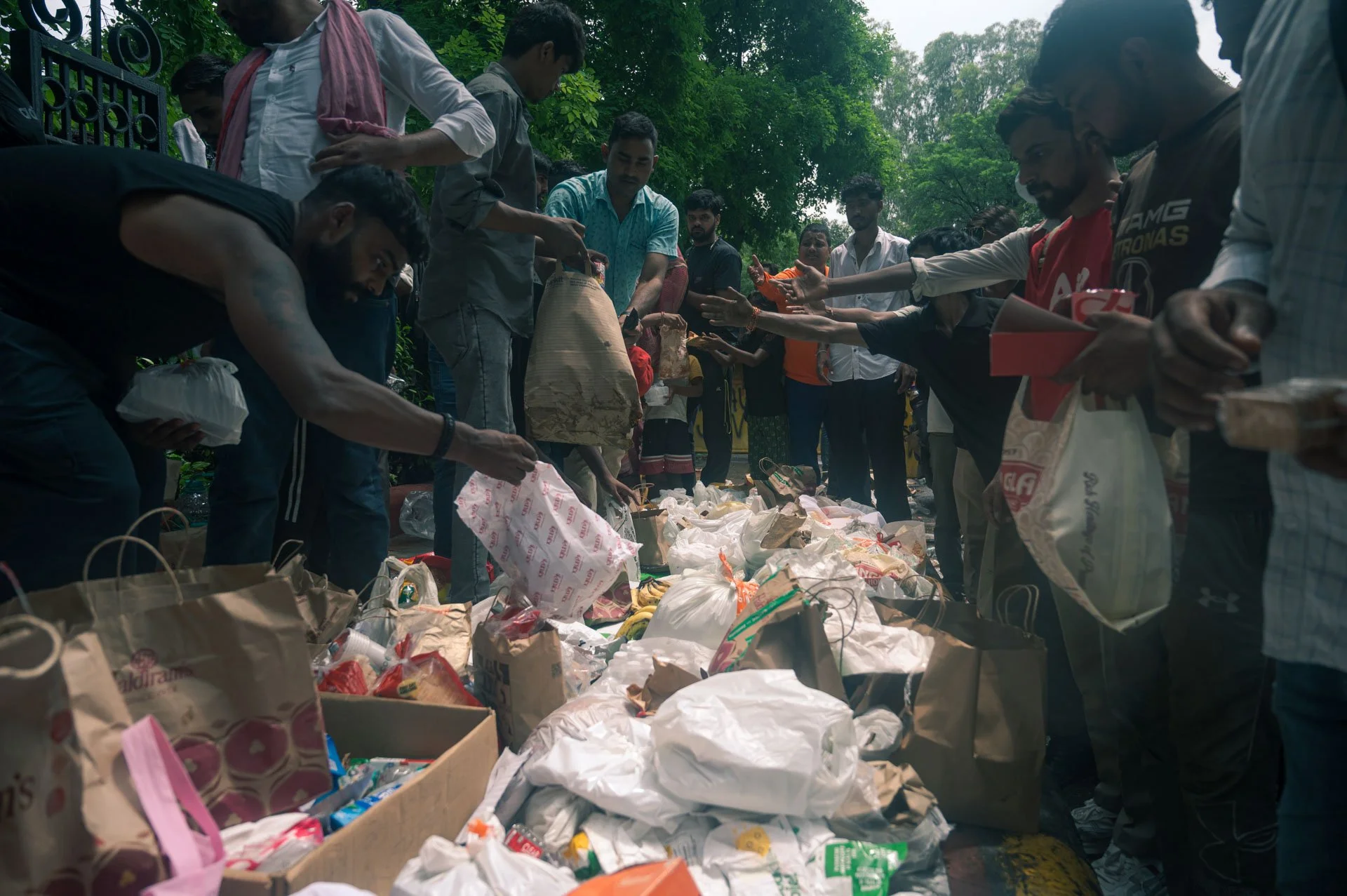




At the Student Protests in Jantar Mantar, Dikshit Sharma turns his lens to the moments of collective solidarity—the trash collectors, the food delivery workers, the volunteers, the living community—to reveal the architecture which quietly carries history forward.
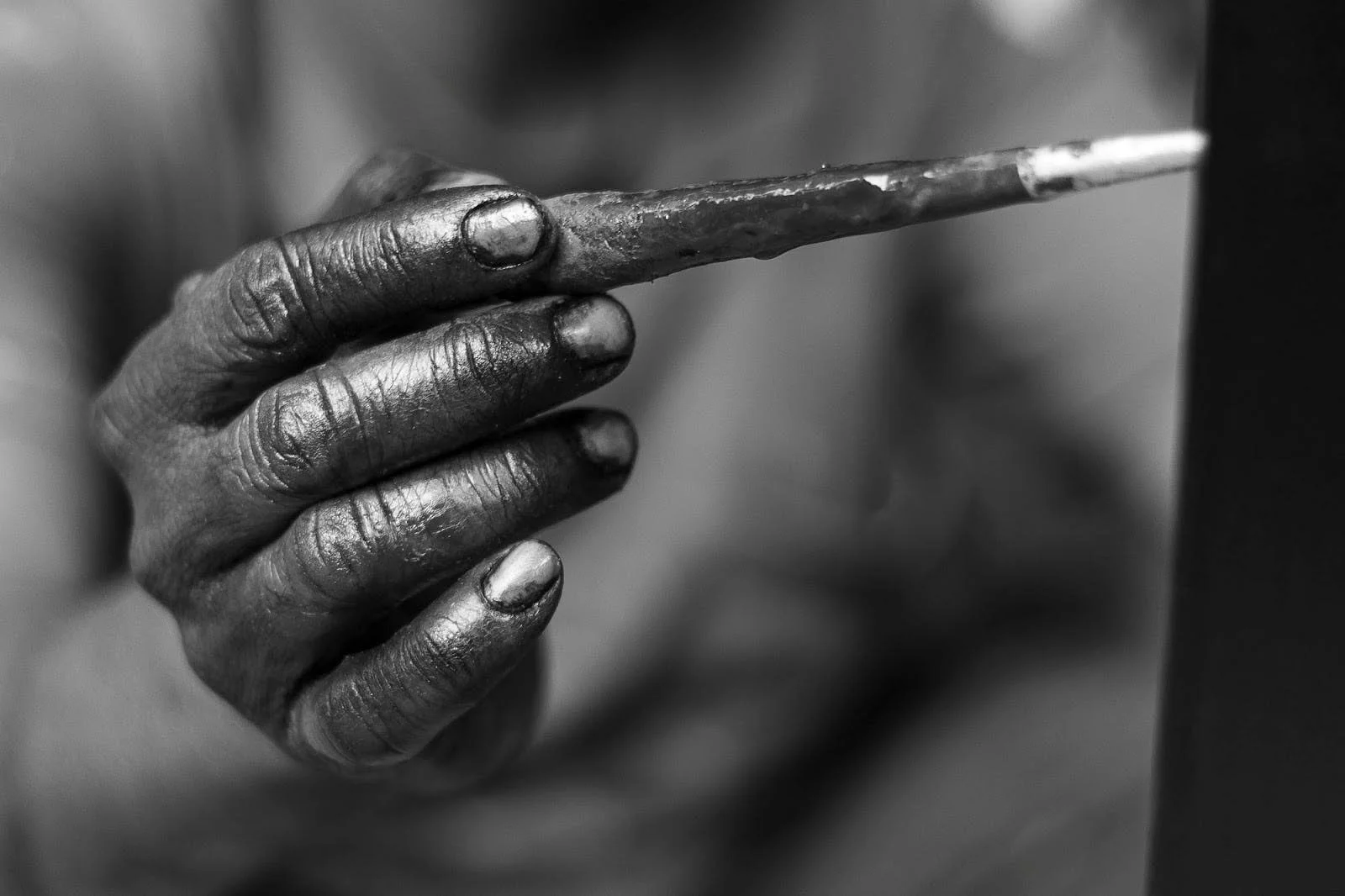
Photography: In a monochromatic study of labour, dignity, and the tactile reality of survival in New Delhi, the photographer Danny presents a visual archive of the silent architects of our capital.
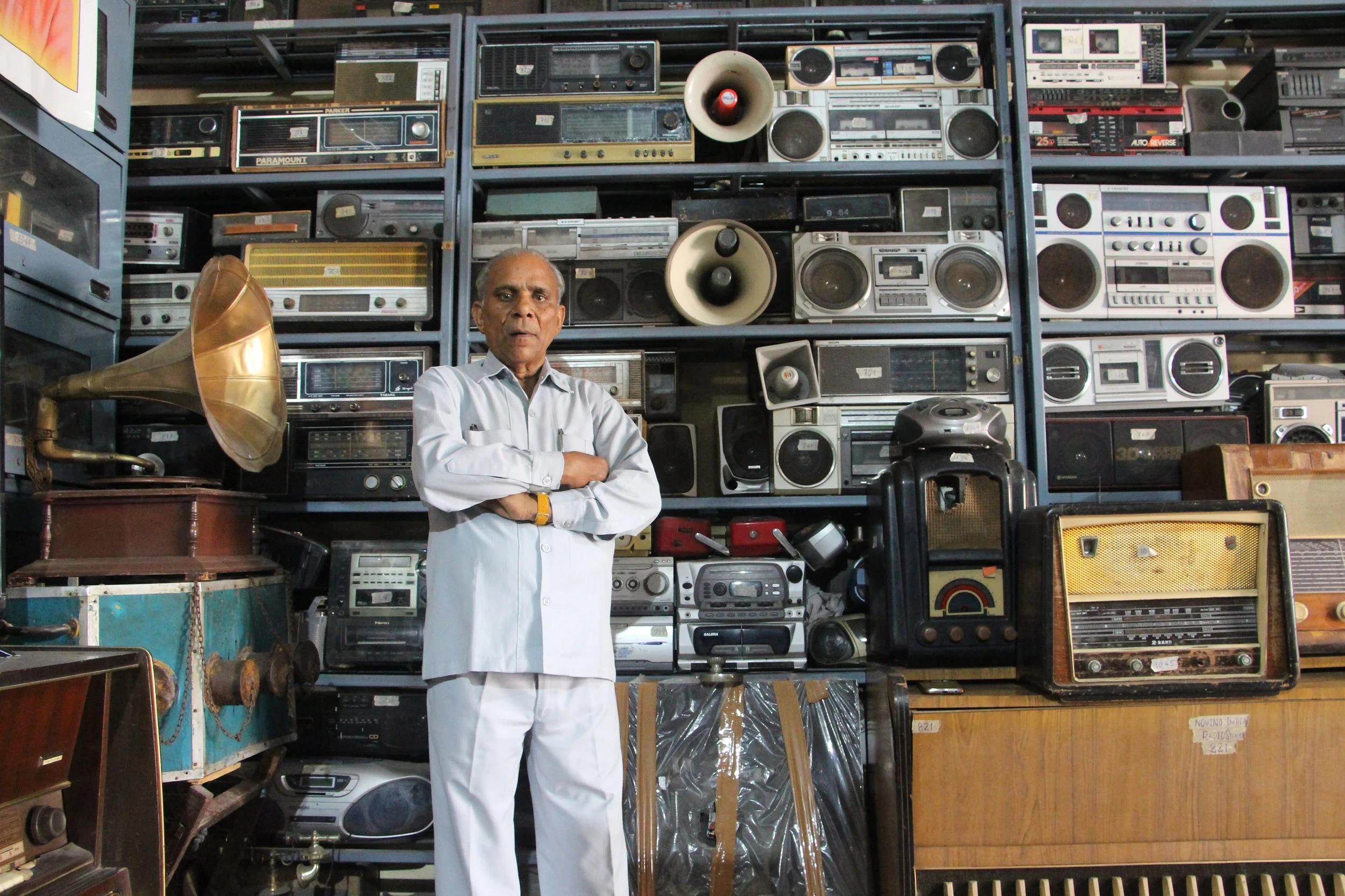
In a quiet corner of Uttar Pradesh, a retired government employee runs the Mann Ki Baat Radio Museum—featuring the world’s largest radio collection—striking a conversation between generations through sound and memory. By Arsalan Shamsi and Siddharth Sharma
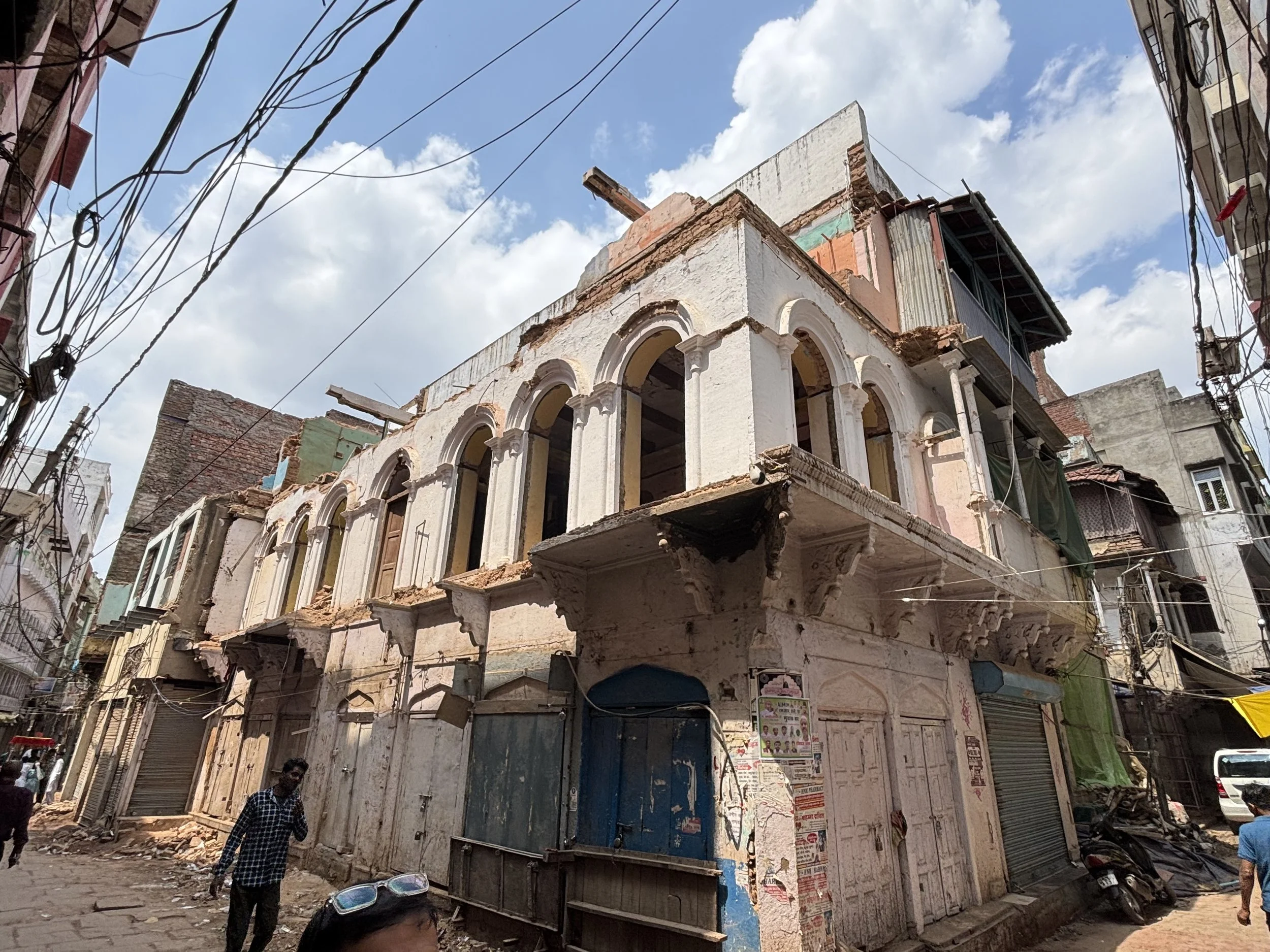
Last year, a road-widening project for access to the Kashi Vishwanath Temple upended the lives of many residents and traders in Varanasi’s historic Dalmandi area. On Eid al-Fitr, Karan Madhok visited the alleyways among the rubble of demolition.
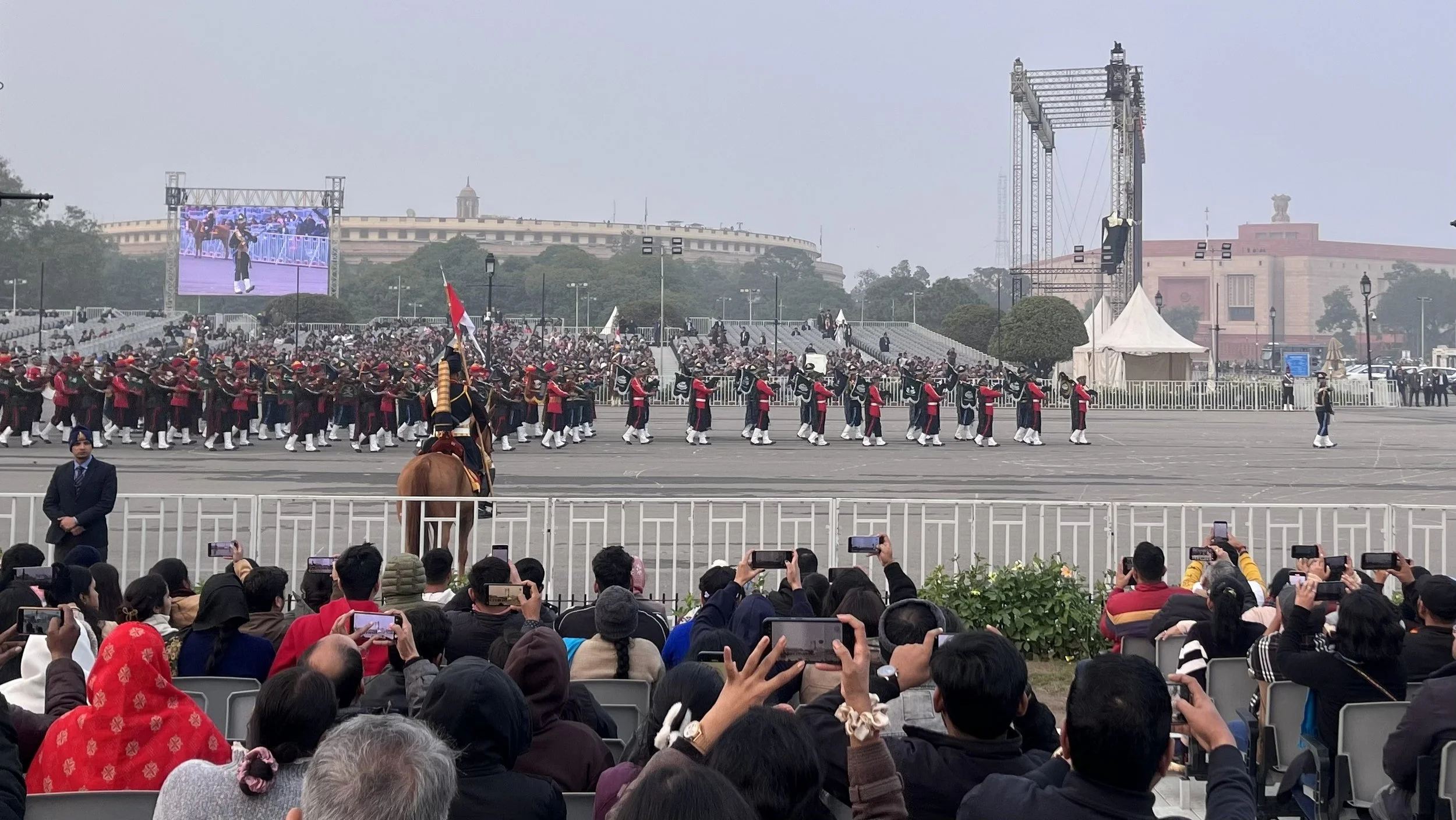
Photography by Aditya Sharma and Sumit Singh: The message at this year’s Beating Retreat ceremony felt sharper than ever, telling us that a nation’s power can be shown through ordered silence as much as through force.
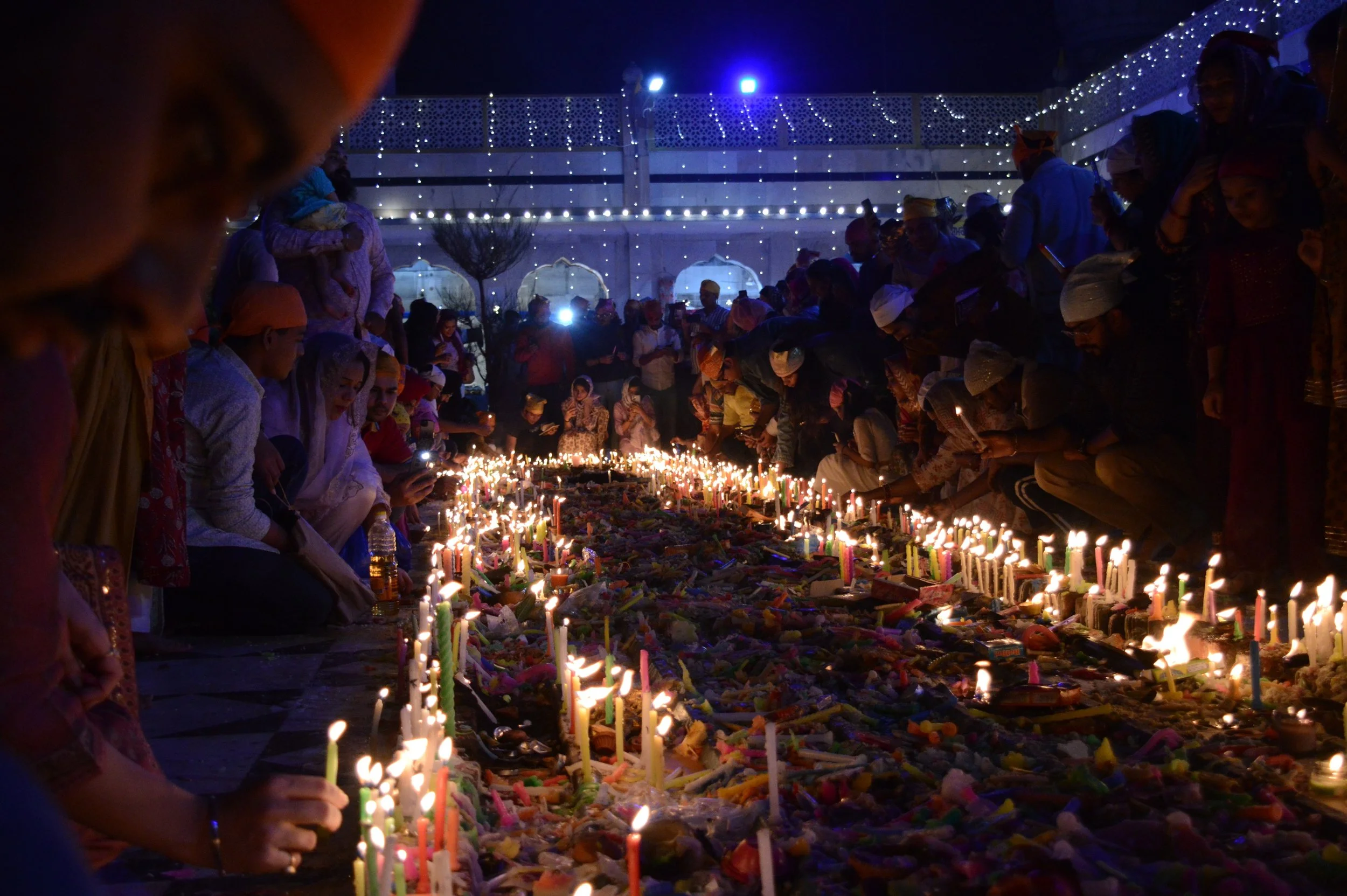
Photo Essay: From the historic lanes of Chandni Chowk to the healing sarovar of Bangla Sahib, devotees reaffirmed the timeless message of equality, service, and oneness of humanity on Guru Nanak’s birth anniversary. By Aditya Sharma and Sana Kauser
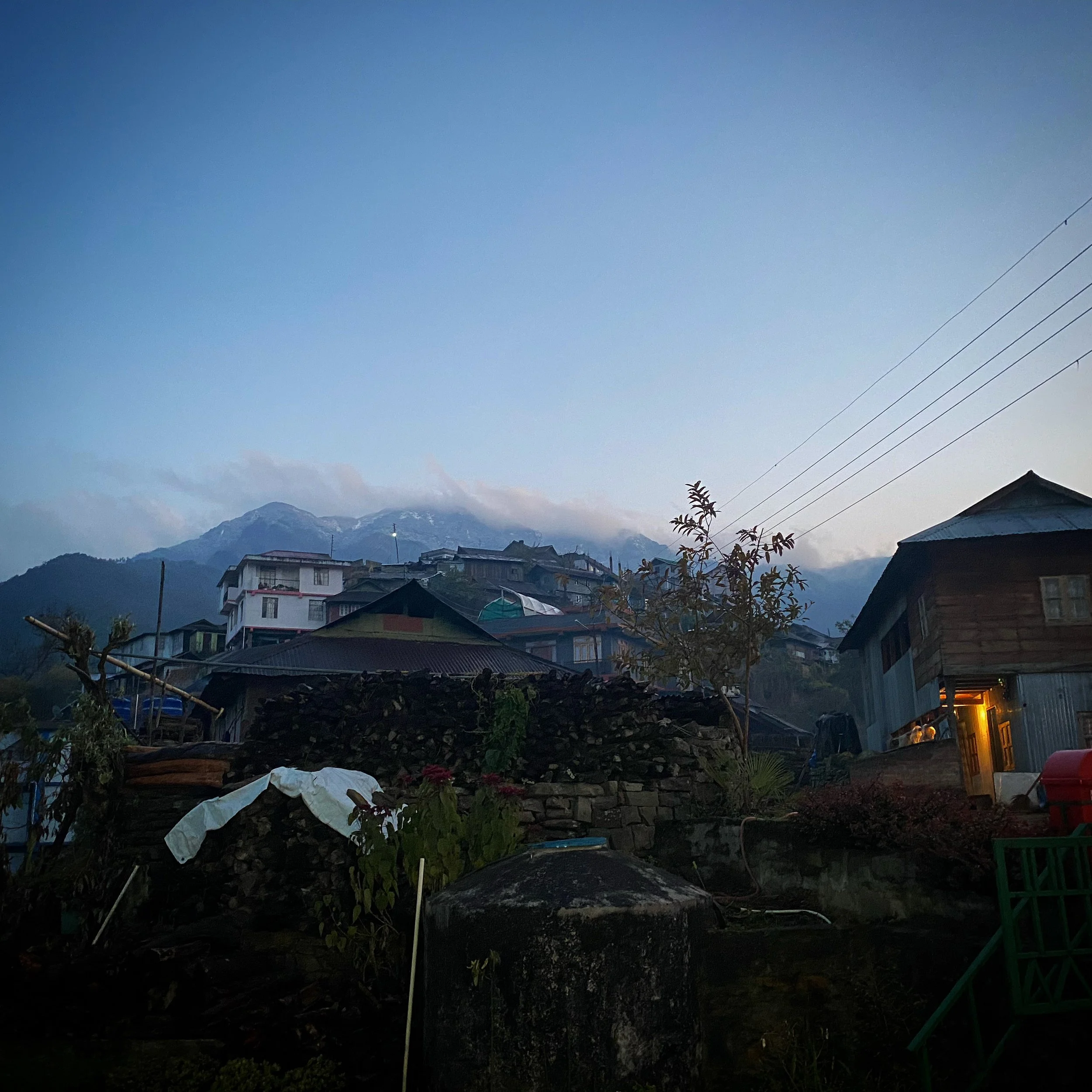
Photos: Speakers and artists from the hillside and beyond attended the first edition of the LLAF in Landour to shine a light upon literature, history, art, music, poetry, film, and more. By Karan Madhok
Photo Story by Quamar Equbal and Sumit Singh: Rohtang is a vibrant artery of travel, adventure, and survival, pulsing with stories of resilient people who call this rugged pass their lifeline. But unchecked tourism, pollution, and rising environmental concerns have left it under siege.
Photo Essay by Karan Madhok: ‘I’m still feeling the nasha of this place the next morning; it’s a glow of inner joy, a celebration of each scintilla of being alive. I feel the feathery wafts of mountain breeze, see the clear horizon appearing after the night’s downpour, and watch farm animals grazing on grass, soaking in the morning sun.’
Photo Story by Anamika Tamuli: ‘In the rural rhythms of Assam, care reveals itself in invisible labors—the hands that keep a home running, the feet that move through flooded fields, the time lost between one obligation and another.’
Photo Essay by Abin Chakraborty: ‘Kolkata is a kaleidoscope: turn your gaze and a new pattern will emerge. What you wish to see is therefore a combination of what you want to see and what your gaze is capable of perceiving.’
‘I board a bus to Biswabangla, wearing a grey shade, mask, olive hibiscus t-shirt, lemon green hair band, loose crimson brown hair, mild sweat, and the will of forgetting.’ By Sufia Khatoon
Photo Story by Zerneela Mohammed Wakil: Every year, the spring festival of Basant Panchami is celebrated with fervour at the Dargah of Hazrat Nizamuddin Auliya in New Delhi, with deep-rooted Sufi connections stretching back to the 13th-century.
Photography by Sk Suhana Mohammad: The topsy-turvy lives of fishing communities by the Rupnarayan River in West Bengal, who have drawn strength from kinship and tradition for generations.
Photo Essay: In a visit to the Serendipity Arts Festival in Panjim, Goa, Deekshith Pai explored the political complexities of contemporary art while rediscovering his own ancestral lands.
Photo Essay: Over 250 years since its inception, the Ramlila of Ramnagar—a ‘play’ dramatizing Rama’s story from the Ramcharitmanas—still exists as a faint time capsule of the past. by Karan Madhok
Photo Essay by Pranava: ‘These modern fossils speak a different language from the Market, and are an out-of-place eye sore. They only remind us that the municipal corporation has failed to consider who is really served by this supposed beautification.’
Personal Essay by Poornima Laxmeshwar: ‘Closed doors mean abandonment… only houses where no one resides must be locked. Doors are like hearts... They must let the sunshine and the storm enter, because life is such.’
Photo Gallery: A year after another Kumbh Mela, Karan Madhok visits Haridwar to explore a city deeply immersed in the juxtaposition of religion and commerce.
Photo Gallery: Infrastructural concerns and safety negligence have led to multiple major fires in Mumbai in recent years. But there are fires that often go unreported, small flares that alert the Maximum City of the rising infernos to come. By Altamash Kadir
No place in the world is quite like Fort Kochi—A collage of Indian, Portuguese, Dutch, English, and Chinese cultural and architectural influences, a humming postcard from the past. Photo Gallery by Karan Madhok
An overpopulated trip to Kedarkantha made Aman Panwar reflect on the dangerous rise of ‘tourist-trekkers’ in the Himalaya, where unprepared throngs are destructing the natural habitat and profits are being made at the cost of environment.
The pandemic presented fraught challenges to our connections with the rest of humanity, the people and acquaintances in our world. In her personal photo-essay, Sufia Khatoon attempts to forge links with the strangers with whom we share our breaths.
From the Himalaya to the coastlines, unchecked tourism is destroying India’s ecological balance. We can’t afford to return to our pre-pandemic state of a tourist-induced environmental catastrophe. By Vipin Labroo
Photo Gallery: Traversing across a labyrinth of water from Alappuzha to Kochi, the canals, lakes, and lagoons that form the serene backwaters of Kerala. By Karan Madhok
Photo Gallery: Images of a Kolkata left behind, as another Kolkata paces ahead. By Amal Shihabudeen
‘I was overcome with fear and awe, witness to a power I could feel but couldn’t comprehend’. In another account of his adventures in the Garhwal Himalaya, Zachary Conrad recalls a treacherous trek to Sahastra Tal.
Photo-essay: In long walks across Kolkata, Sufia Khatoon comes across lives in motion, lives continuously moving forward, each person an immortal story that fuels the city and adds to its history.
Photo Gallery: The mangrove forests of Coringa in Andhra Pradesh are home to fishing communities that live close to the bank of the Korangi river, their livelihood dependent on the unique ecosystem of the region. By Srikanth M.V.
Photo series by Vijay Kowshik V P: Parallel Indias is about proximity without connection, a study of coexistence without recognition. These are images of adjacency, lives, symbols, and bodies, all occupying the same space, often within the same frame, without ever meeting.