Photo-Essay: A Muted Eid in Dalmandi
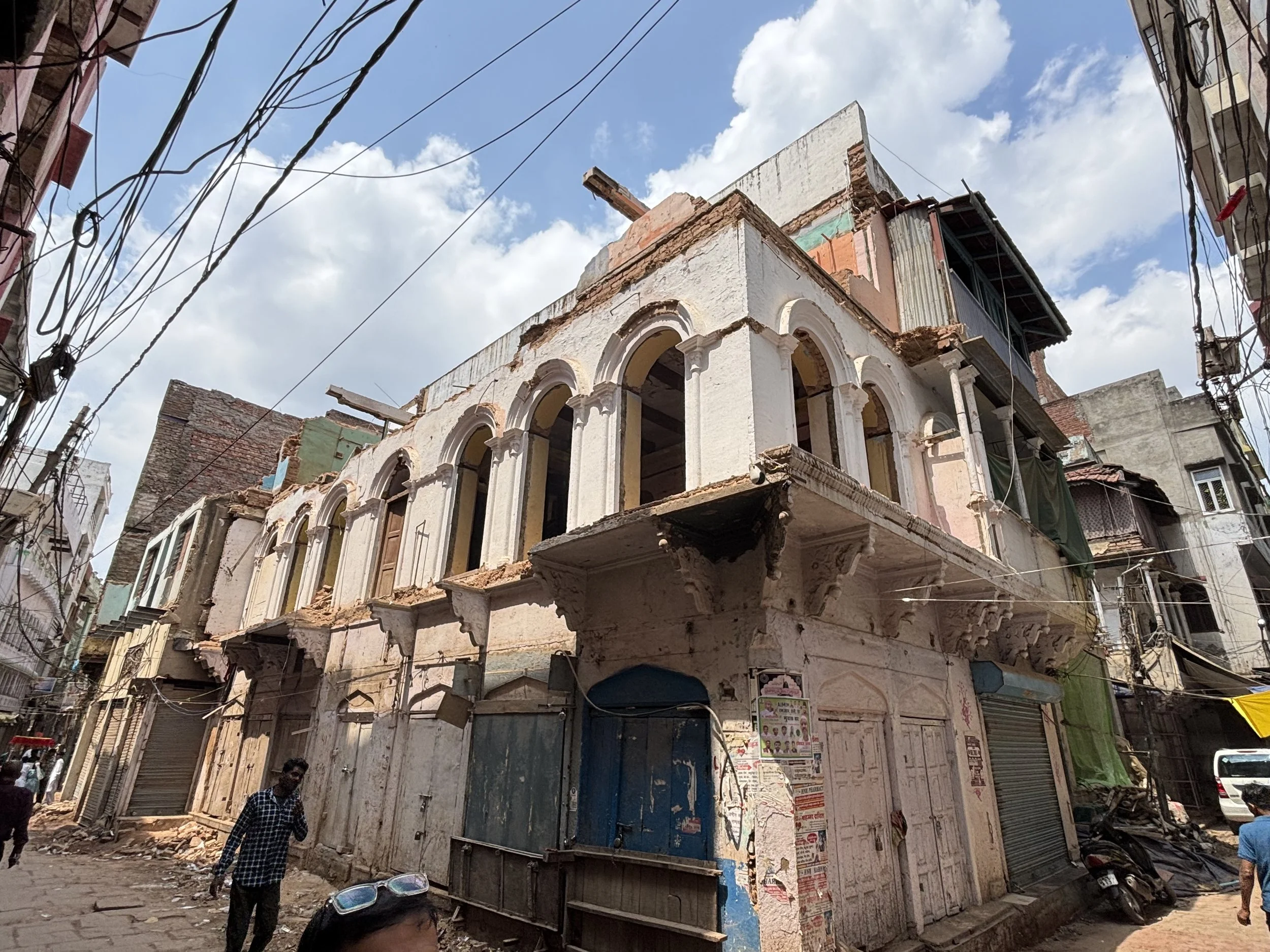
Photo: Karan Madhok
Last year, a road-widening project for access to the Kashi Vishwanath Temple upended the lives of many residents and traders in Varanasi’s historic Dalmandi area. On Eid al-Fitr, Karan Madhok visited the alleyways among the rubble of demolition.
How did the famed Dalmandi mohalla in Banaras (Varanasi) get its name? Like many anecdotes and qissas that have survived the ravages of time in the country’s most-ancient city, there are multiple answers: truths that are exaggerated by a little mythmaking, or parables that evolve from factual history.
There are those who says that Dalmandi is a mere adjoining of the two words ‘daal’ (lentil) and ‘mandi’ (marketplace), as for decades and centuries the neighbourhood as operated as a widespread, bustling bazaar, attracting both locals and visitors shopping for daily needs, food items, textiles, kitchen utensils, plasticware, cheap jewellery, prayer materials, and much more. Until recently, it was a vibrant centre for trade among the oldest surviving gallis (alleyways) of Banaras, populated chiefly by Muslim families who have lived here for centuries just a stone’s throw away from the Kashi Vishwanath Mandir, the temple complex which is the biggest draw for Hindu tourists in one of India’s most-visited cities.
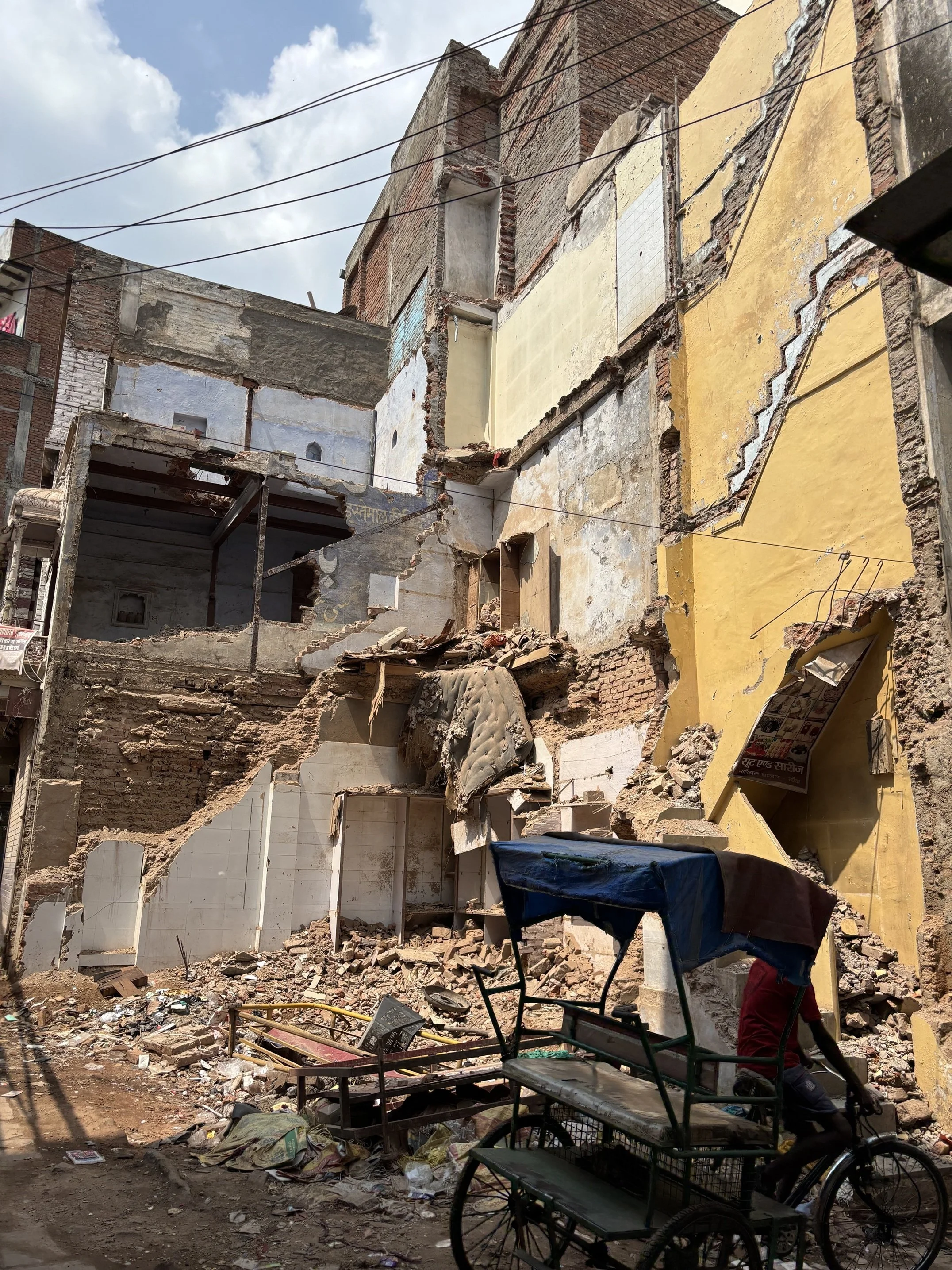
Photo: Karan Madhok
But there is also a second etymological telling, which claims that the ‘dal’ in the name is a result of the localization of the English word ‘doll.’ The neighbourhood was once also the city’s most attractive destination for the kothas where famed local tawaifs or bais (courtesans) held mehfils (gatherings), enchanting visitors with music, dance, and poetry. Featuring legendary performers like Husna Bai, Rasoolan Bai, Jaddan Bai, Janki Bai, Malka Jaan, Nirmala Devi, and more, the neighbourhood was thus literally known as a marketplace for ‘dolls,’ alleys that frolicked with art, pleasure, and scandal… until the kothas fell out of favour of our more puritanical colonizers.
There was a spooky sense of lifelessness, as if I had suddenly entered a war-ravaged zone... Here, recently demolished buildings lay ravaged under the dust of ruins and old concrete. Businesses were shuttered close—some for the festival, some for good.
As one of the oldest-living cities in the world, Banaras adopted a diverse array of philosophical, spiritual, and cultural traditions in the past 3,000-something years of civilization, easily accommodating its many supposed contradictions. The central heart of the city has historically been the Godowlia Chowk, a four way crossing from where each of the four directions are believed to lead men to their four mortal purusartha (objectives): One path to dharma (religious duty) and the Vishwanath Mandir, one to artha (prosperity) and the shopping area in Godowlia, a downhill descent to Manikarnika where the crematorium promises moksha (liberation) at death, and a fourth to Dalmandi, which encourages an indulgence in kama (pleasure). Even with the end of tawaif culture, the gallis of Dalmandi remained a busy neighbourhood filled with art and commerce, including being home to the legendary shehnai player Ustad Bismillah Khan who resided in the nearby Sarai Harha alleyway until his death in 2006.
By coincidence, I returned to Dalmandi this year on Khan’s 110th birth anniversary, a day that many chose to celebrate with reminders of the Ustad’s intimate liaison with his hometown. It was also the day of Eid-ul-Fitr, a grand of day of celebration for the city’s Muslim community.
In Dalmandi, however, the festive mood felt dampened this year. Less than a week before, 14 young Muslim men were arrested over flimsy charges of hurting ‘Hindu sentiments’ for having an iftar party (with alleged chicken biryani) on a boat over the Ganga River. Their arrest sent shockwaves among many in the community around Banaras. “The usual festive cheer is missing,” said one resident of a predominantly Muslim neighbourhood in the district to Indian Express.
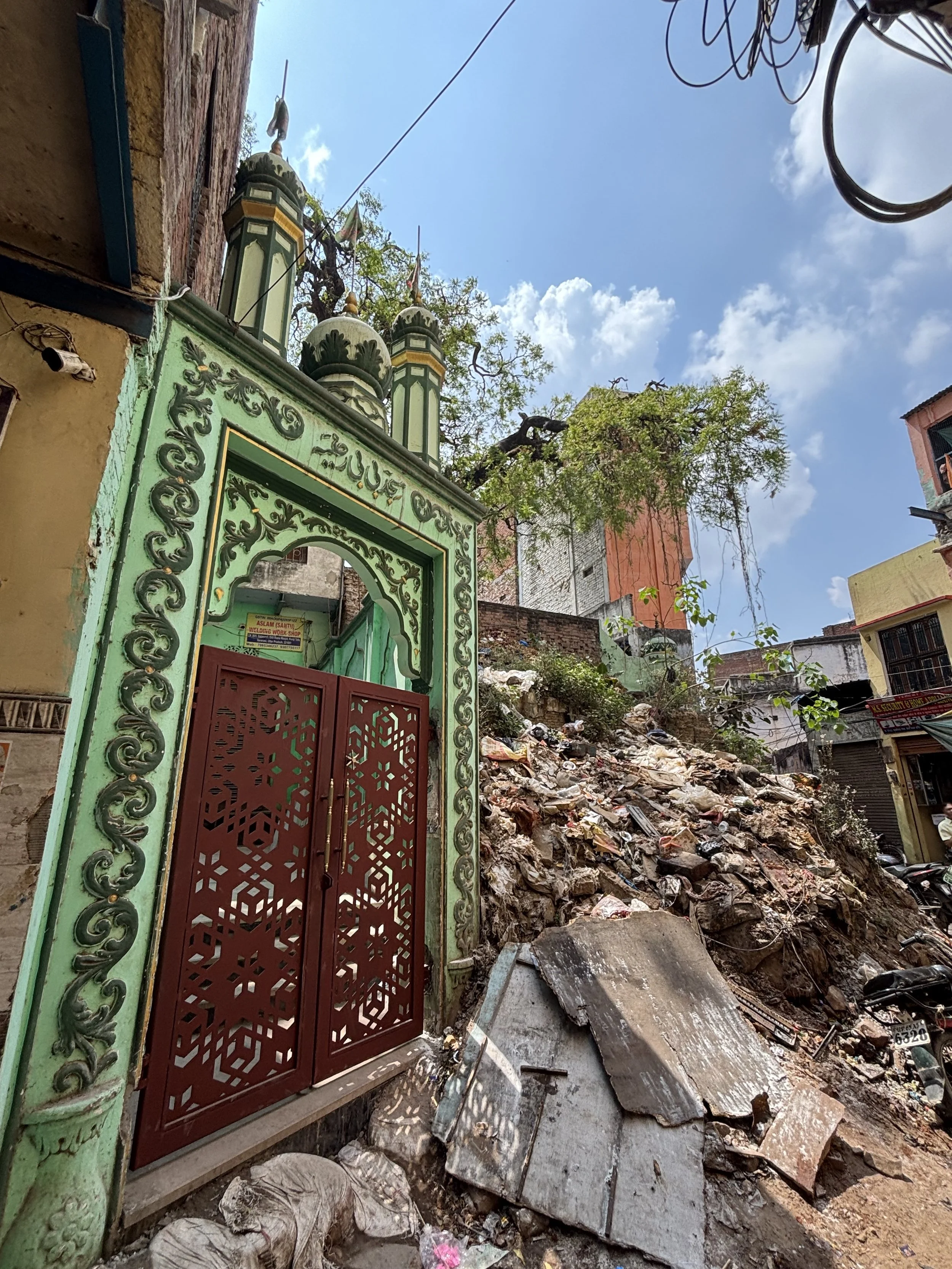
Photo: Karan Madhok
At the city’s popular Jama Masjid, prayers on Eid morning were offered amidst high security and under the gaze of surveillance drones that floated above. Armed security personnel manned many congregations around the city, including at the Gyanvapi Mosque which shares an uneasy intimacy next to the popular Kashi Vishwanath Temple in the Lahori Tola area.
At the turn of the past decade, prime minister Narendra Modi—who has represented Varanasi as his constituency since 2014—launched the largescale Kashi Vishwanath Temple corridor project, for which many of the old homes and alleyways around the temple were demolished to ease visitor access to the temple. It was a controversial move that defaced much of the sacred geography of the city, but the skyrocketing increase of pilgrims and tourists have brought great dividends to the stakeholders of Hindu spiritual tourism.
Late last year, another major demolition project shook up the mood of the region. In July 2025, the state government cabinet officially approved a project at Dalmandi, identifying nearly 200 places of home, trade, and worship to be cleared to create a new access road to the Kashi Vishwanath Temple, which stands just a 10-15 minute walk from the Dalmandi market. Hundreds of crores have been allotted for this project, including some ₹200 crore that has been sanctioned to be distributed as compensation to property owners set to suffer losses.
A tense demolition drive has been initiated since, as centuries-old structures including shops, schools, hospitals, homes, and even old kothas have been reduced to rubble. Some residents have protested the unfair compensation and some the loss of their property and neighbourhood. In early February, one man allegedly set his own shop on fire, leading to chaos and detainments.
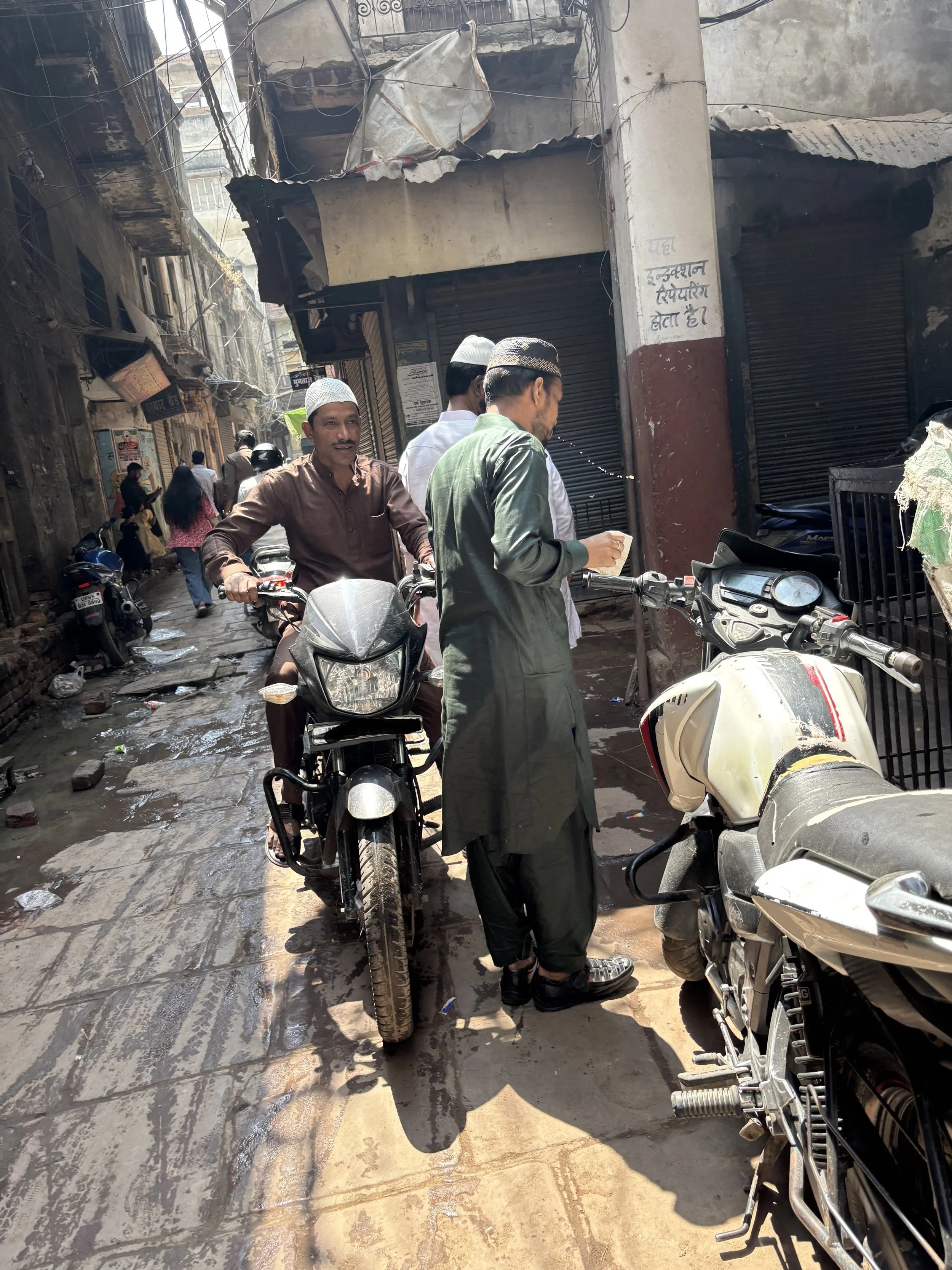
Photo: Karan Madhok
I had gone to Dalmandi in 2025 just weeks before the first wave of bulldozing began. I visited many of the old kothas in the narrow alleyways, many of which had been shuttered closed for years or served as extra warehouse space for shopkeepers that operated the stores on the lower floor. Still, it only took a casual glance upwards to observe the intricate old balconies and balustrades, decorated with sculptures like those of the jalparis (mermaids) and other symbols, enticing passers-by of the wonders that once existed within.
During this visit last year, I had spoken to Mohd. Ali, who ran a clock store—with many varieties modern and antique timepieces—right under one of the old kothas. He told me that he was now in the fourth generation of his family running a shop here, that even over the past century of change in the city, the structure of his home had withstood. “We must have had Ishwar’s blessings on our family,” he had said, “even multiple earthquakes couldn’t dislodge the structure.”
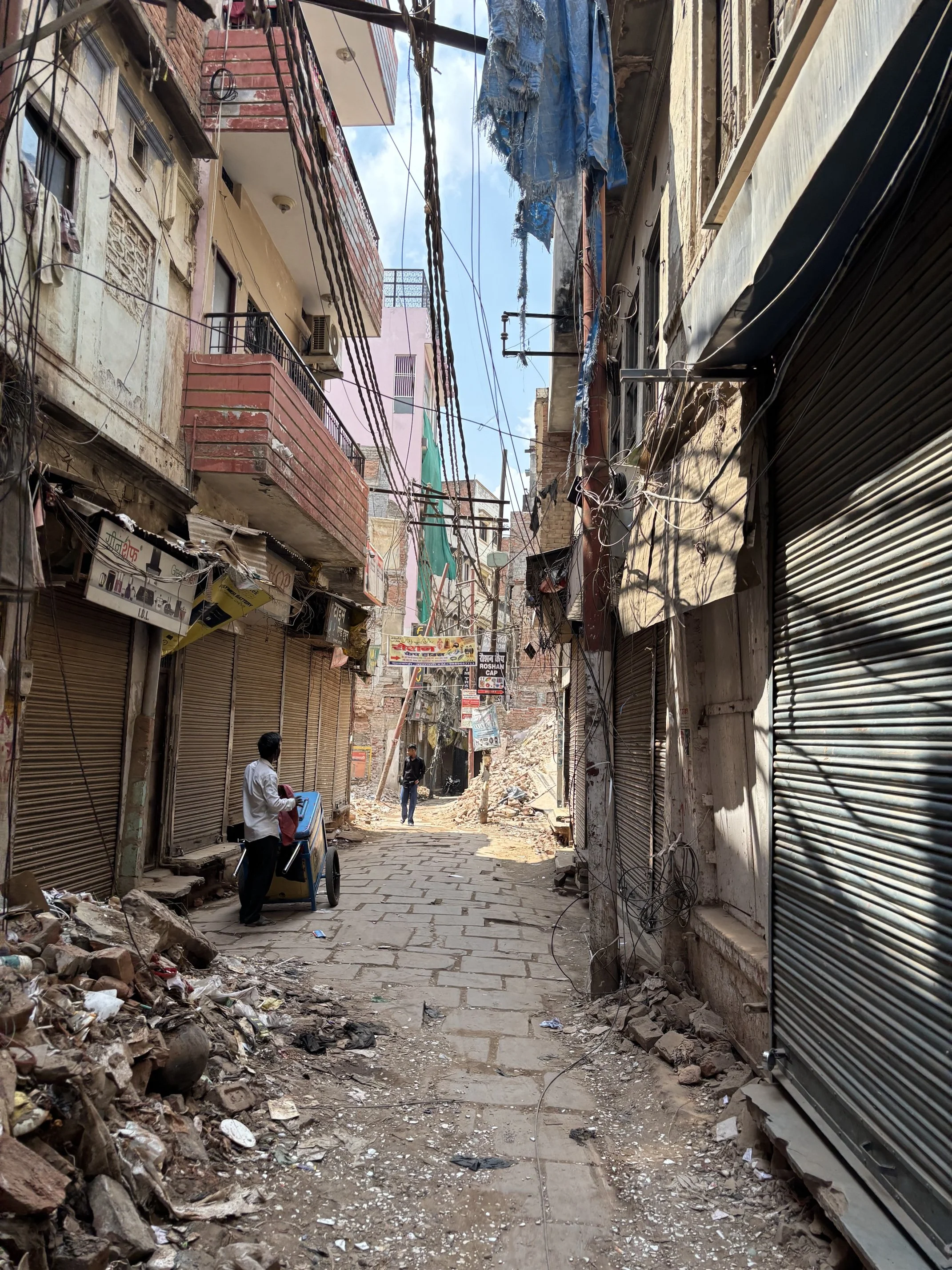
Photo: Karan Madhok
Just months later, in my return to the neighbourhood, the earthquakes finally came—albeit, manmade ones. Walking on the Dalmandi Road on Eid, there was a spooky sense of lifelessness, as if I had suddenly entered a war-ravaged zone only minutes after walking through the crowded neighbourhoods by the temples and ghats. Here, recently demolished buildings lay ravaged under the dust of ruins and old concrete. Businesses were shuttered close—some for the festival, some for good. A few children in their finest festive wear walked around gleefully, carrying balloons and chasing each other around the rubble. Men stopped on their scooters to embrace, pass on their Eid wishes, and quickly head away. The hustle and bustle of the past had been muted to a sombre silence.
There was nobody from the demolition crew here. The administration had honoured a plea by residents to ease proceedings during the month of Ramadan. About a week after Eid, however, it was announced that the bulldozers would tumble through the gallis again.
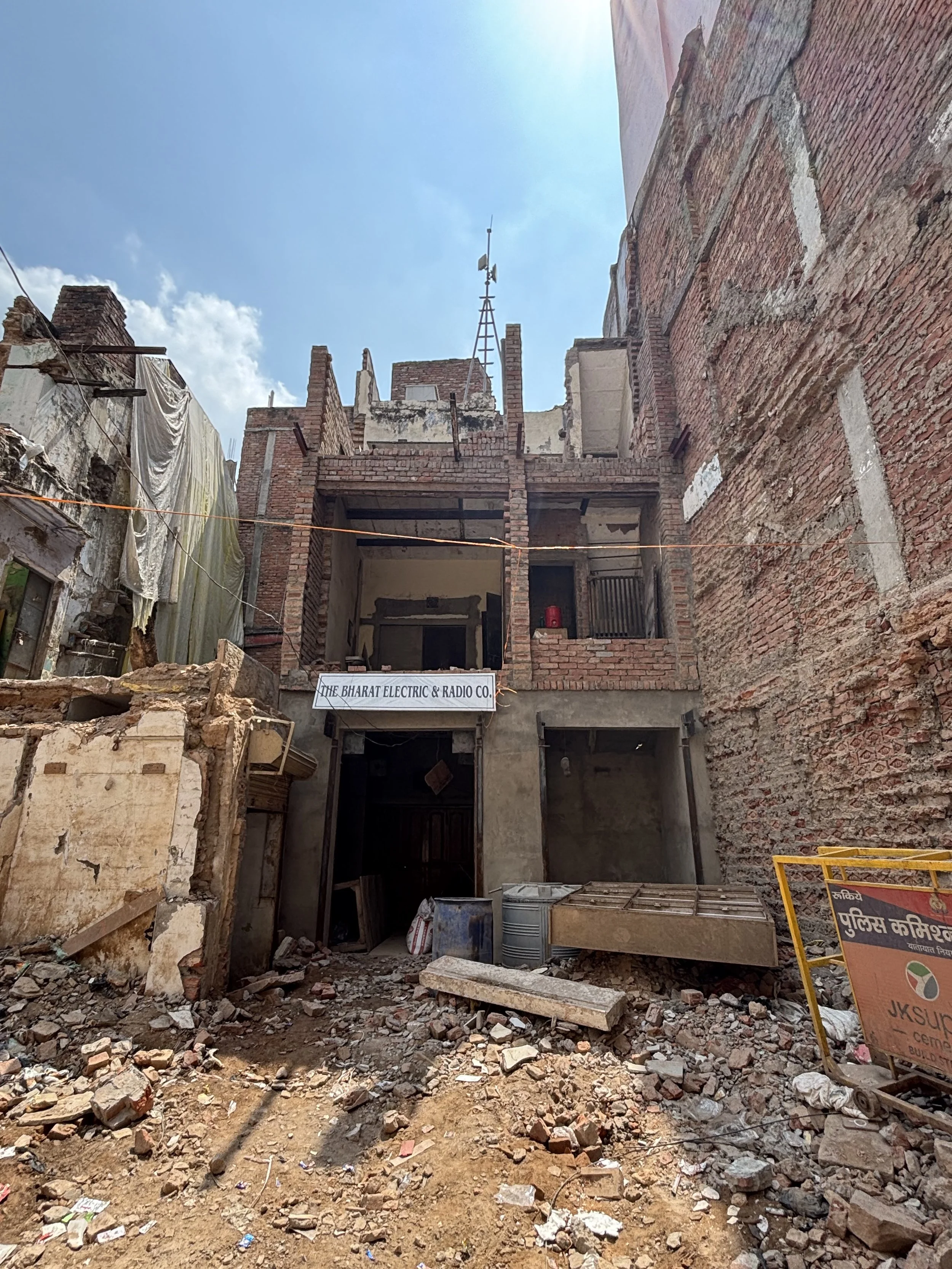
Photo: Karan Madhok
I walked around, seeking the old clock store, but struggled to recognise the path I had taken just a few months ago. The store was nowhere to be found. When I looked online, I was told that it was now permanently shut, and Ali’s phone rang to no response.
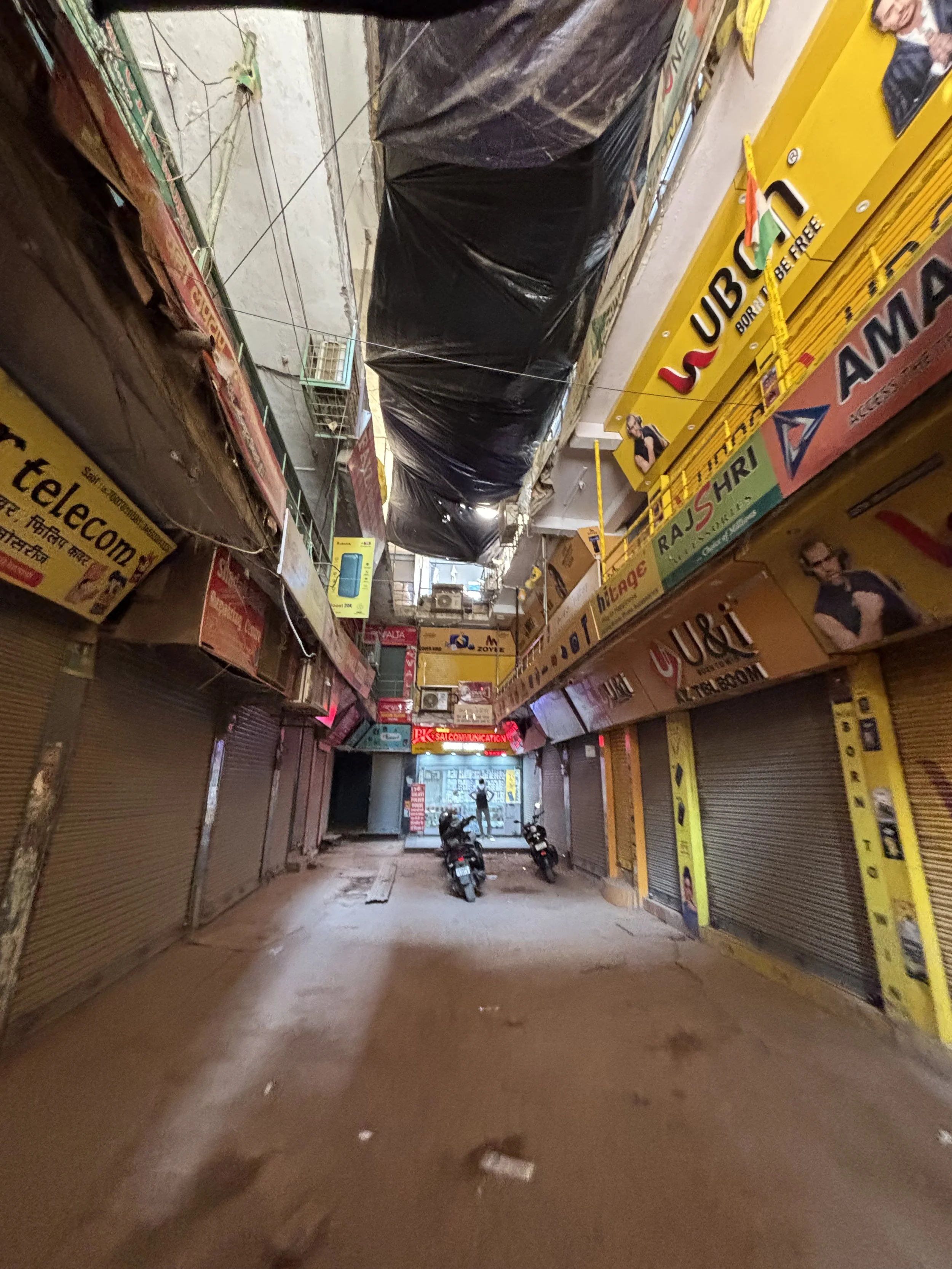
Photo: Karan Madhok
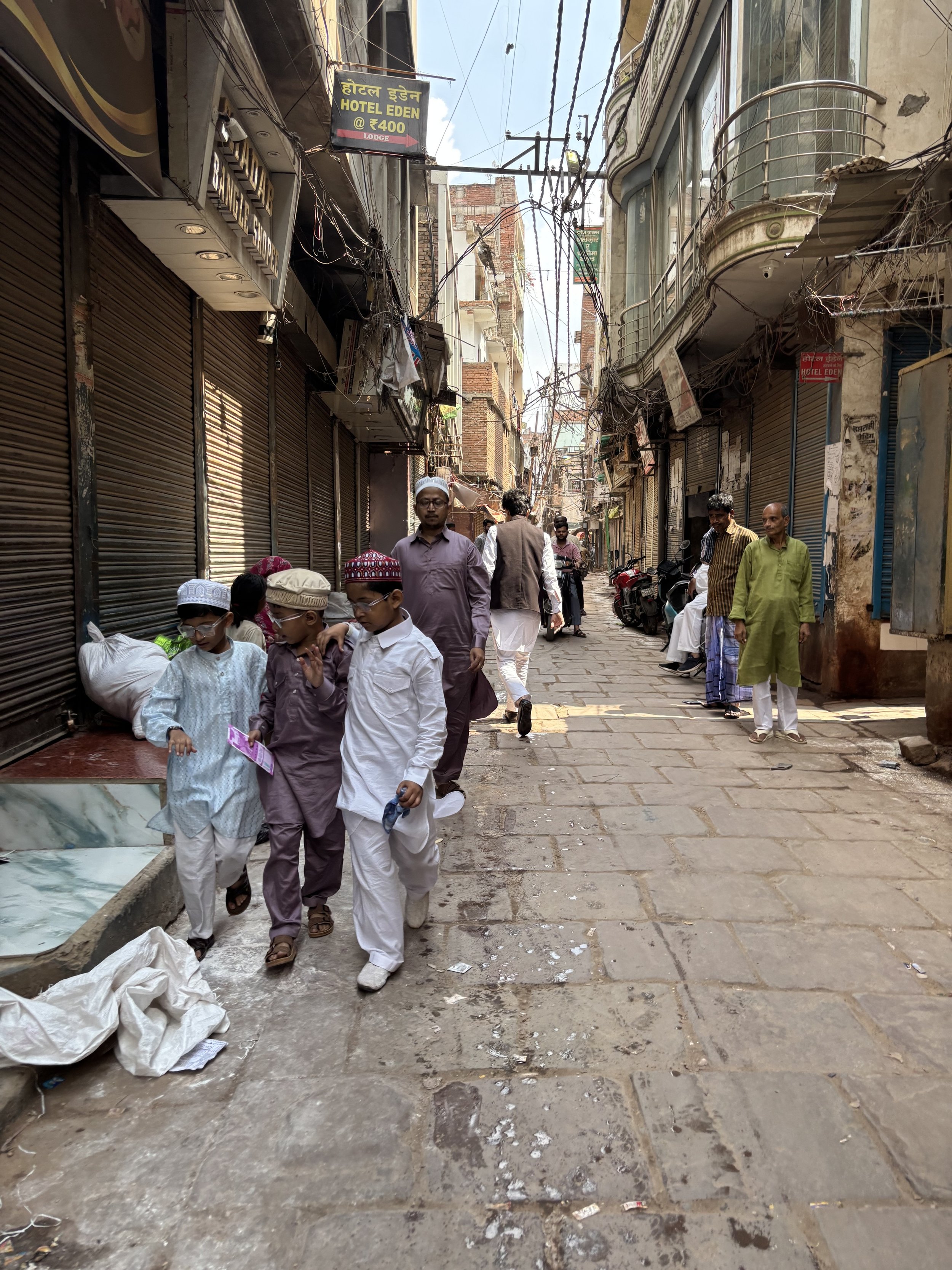
Photo: Karan Madhok
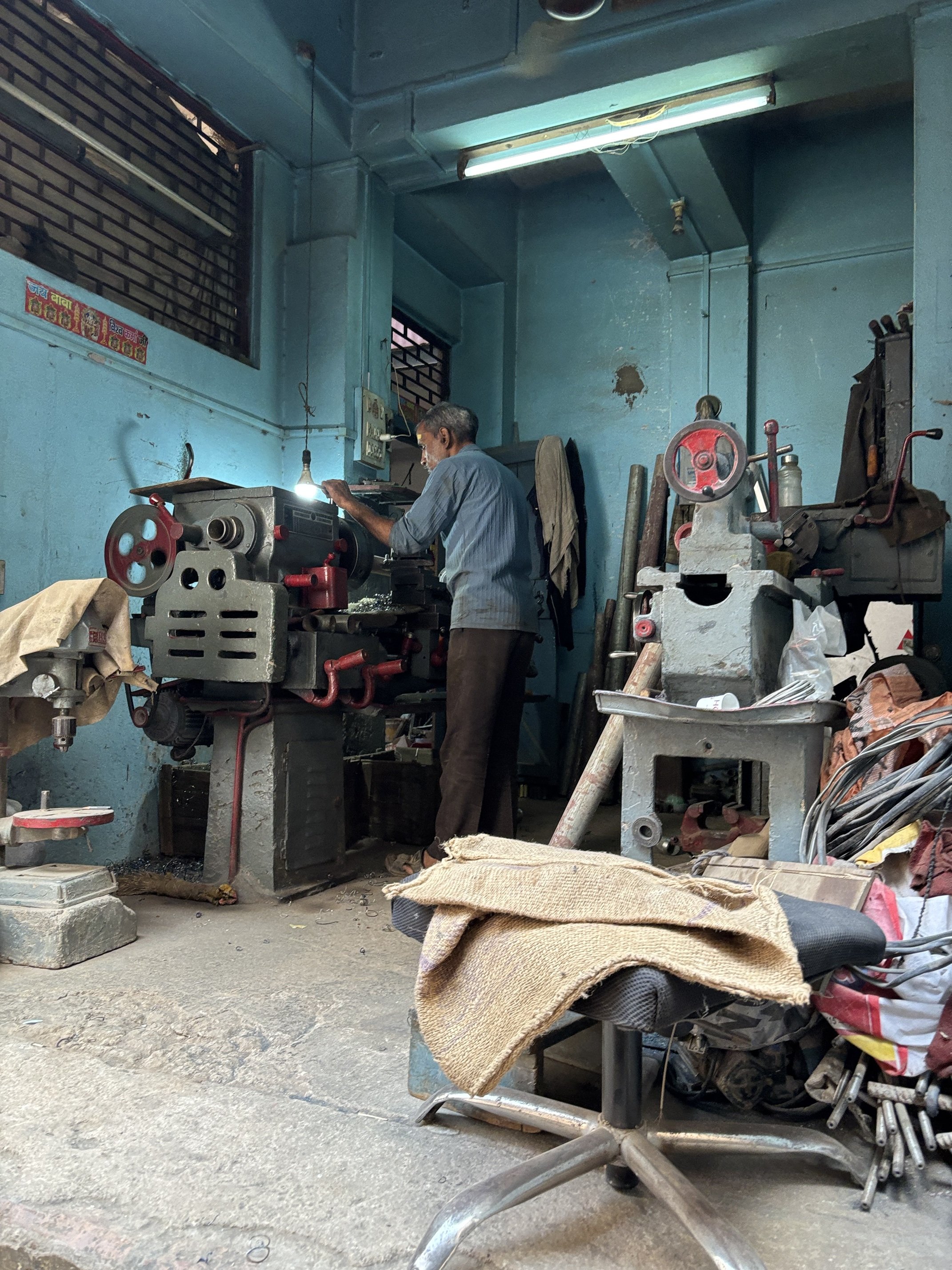
Photo: Karan Madhok
***
Karan Madhok is a writer, journalist, and editor of The Chakkar. He is the author of Ananda: An Exploration of Cannabis In India (2024) and A Beautiful Decay (2022), both published by the Aleph Book Company. His work has appeared in Epiphany, Sycamore Review, Gargoyle, Fifty Two, Scroll, The Plank, The Caravan, the anthology A Case of Indian Marvels (Aleph Book Company) and The Yearbook of Indian Poetry in English 2022 (Hawakal). You can find him on Twitter: @karanmadhok1 and Instagram: @karanmadhok.