
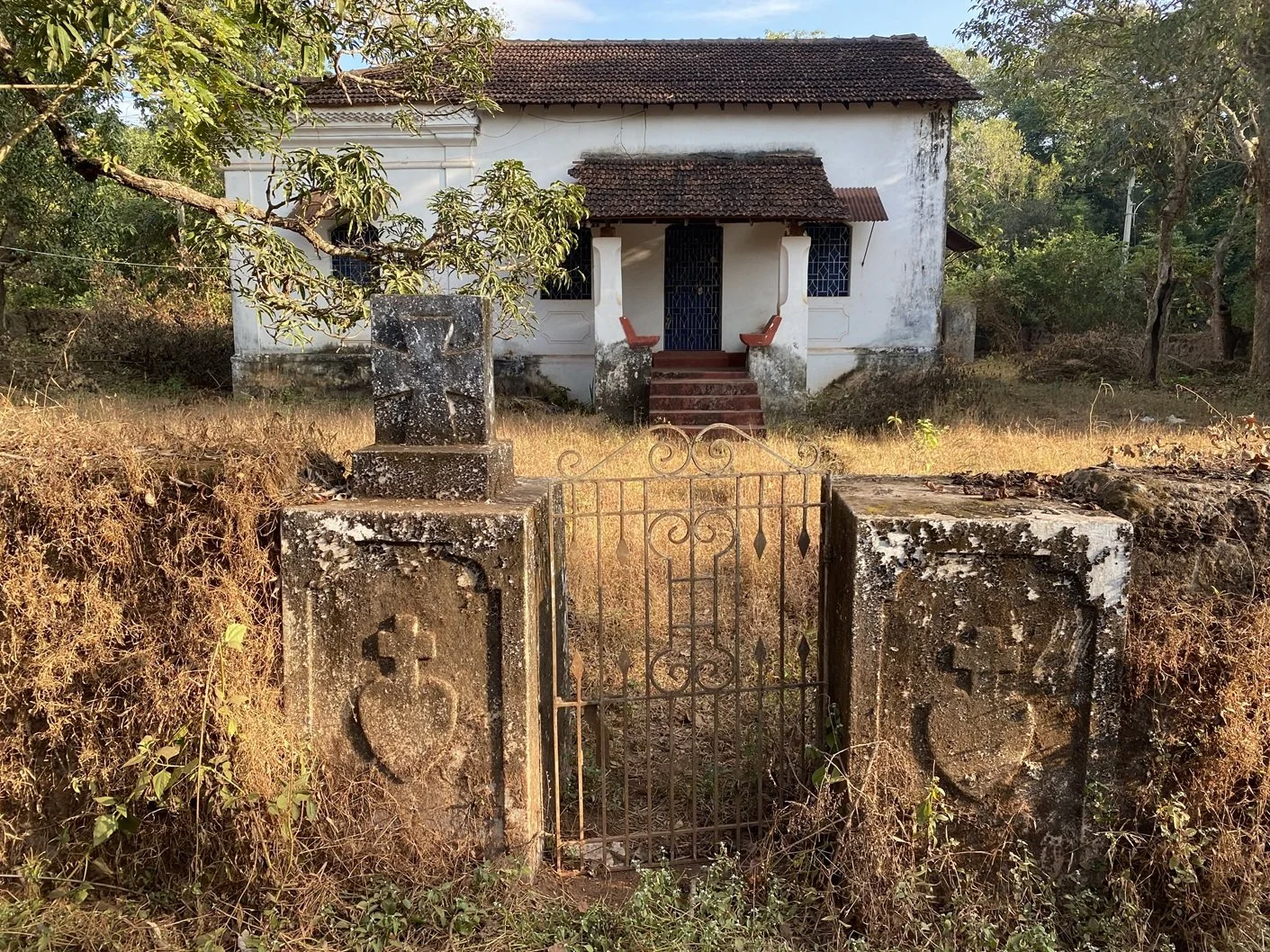

Judging the Cover: An interview with award-winning book designer Bena Sareen
Bena Sareen, winner of the Oxford Bookstore Book Cover Prize, speaks about her latest honour and the “huge responsibility” of designing a memorable literary cover. By Chittajit Mitra

The Fraught Relationship Between Reality and Spectacle in Telugu Cinema
The problematic representation of women in many recent Telugu blockbusters like Peddi and the Pushpa films have stoked controversy. When mainstream commercial cinema consistently turns the sexualisation of women into entertainment, who should be responsible for the world these images help create? By Sumithra Prasanna
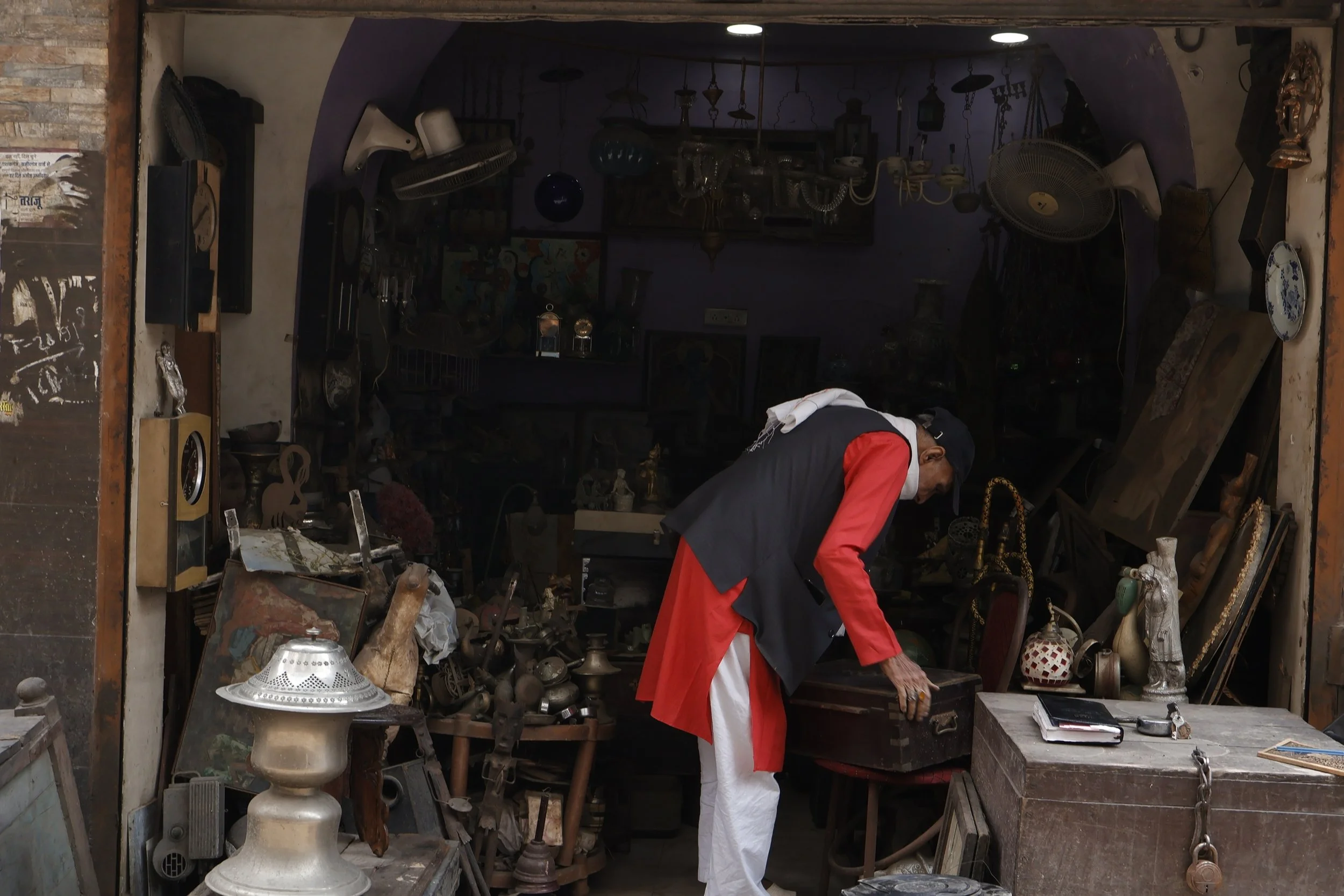
Photo Essay: The Old Shop of Wazirganj
Seated among old paintings, clocks, clothing, trinkets, and valuables, 76-year-old Hamiz Rizwi maintains a kaleidoscopic antique shop in Lucknow, revealing new stories with every glance. By Ishita Yadav
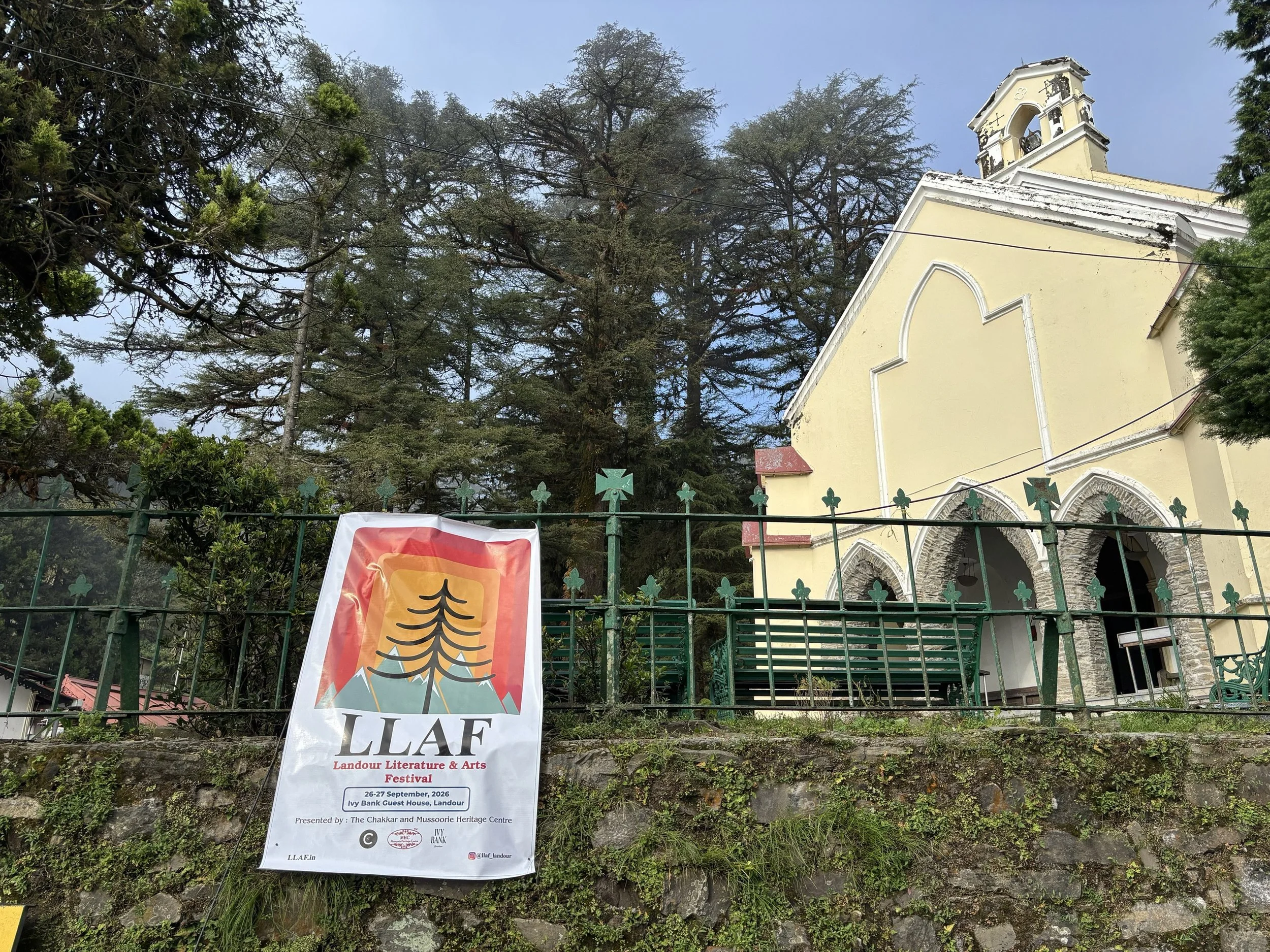
Photo-Story: A Stirring Second Edition of the Landour Literature and Arts Festival
Featuring dozens of literary conservations, book releases, film screenings, live music, art exhibitions, folk dances, and more, the second edition of LLAF saluted the resolute spirit of the Himalaya. By The Chakkar and Mussoorie Heritage Centre
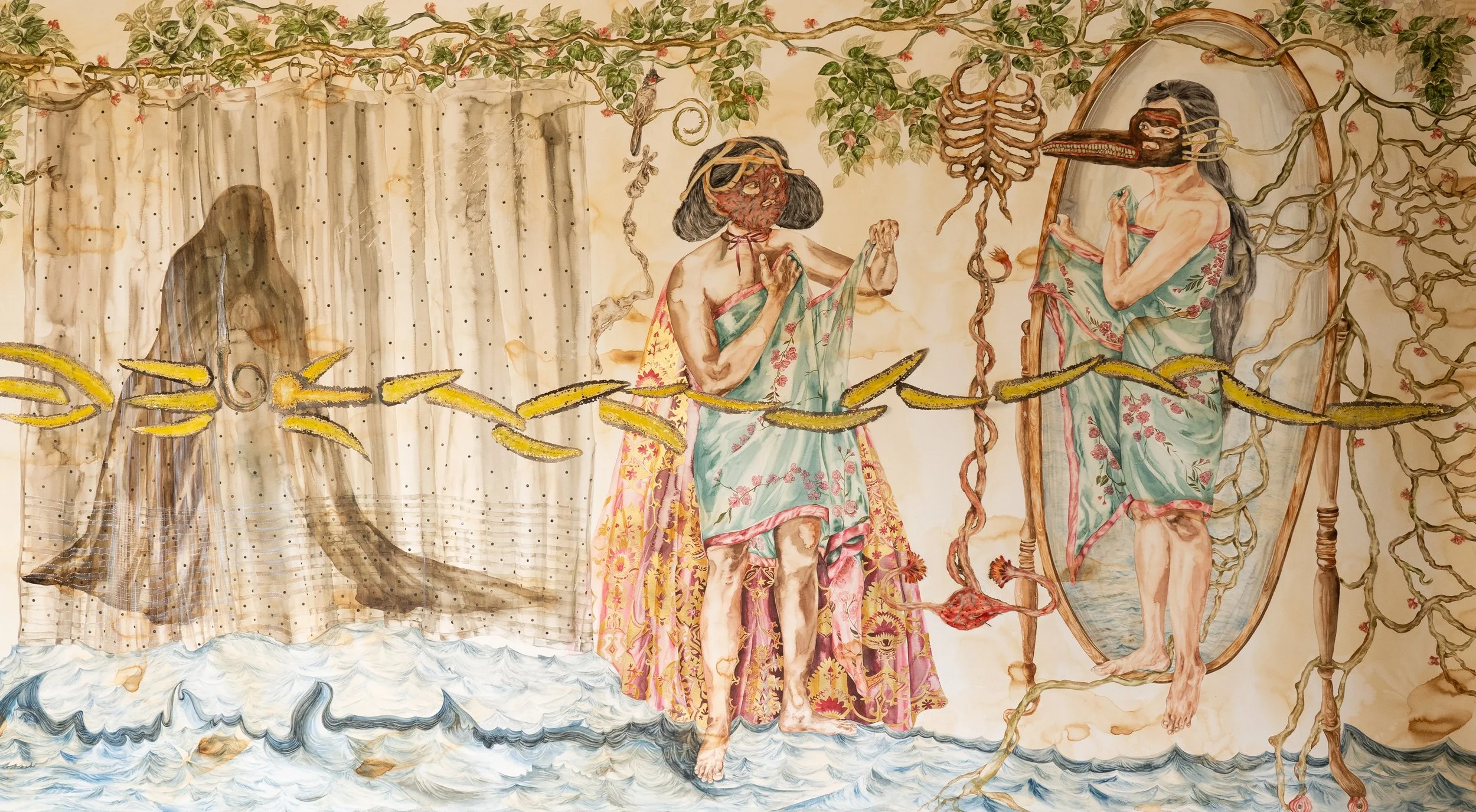
Of Body and Light: The Art of Anupama Alias Anil
Shaped by Kerala’s mythology and folk art, Anupama Alias Anil weaves textures that introspect the gendered self . By Anna Lynn
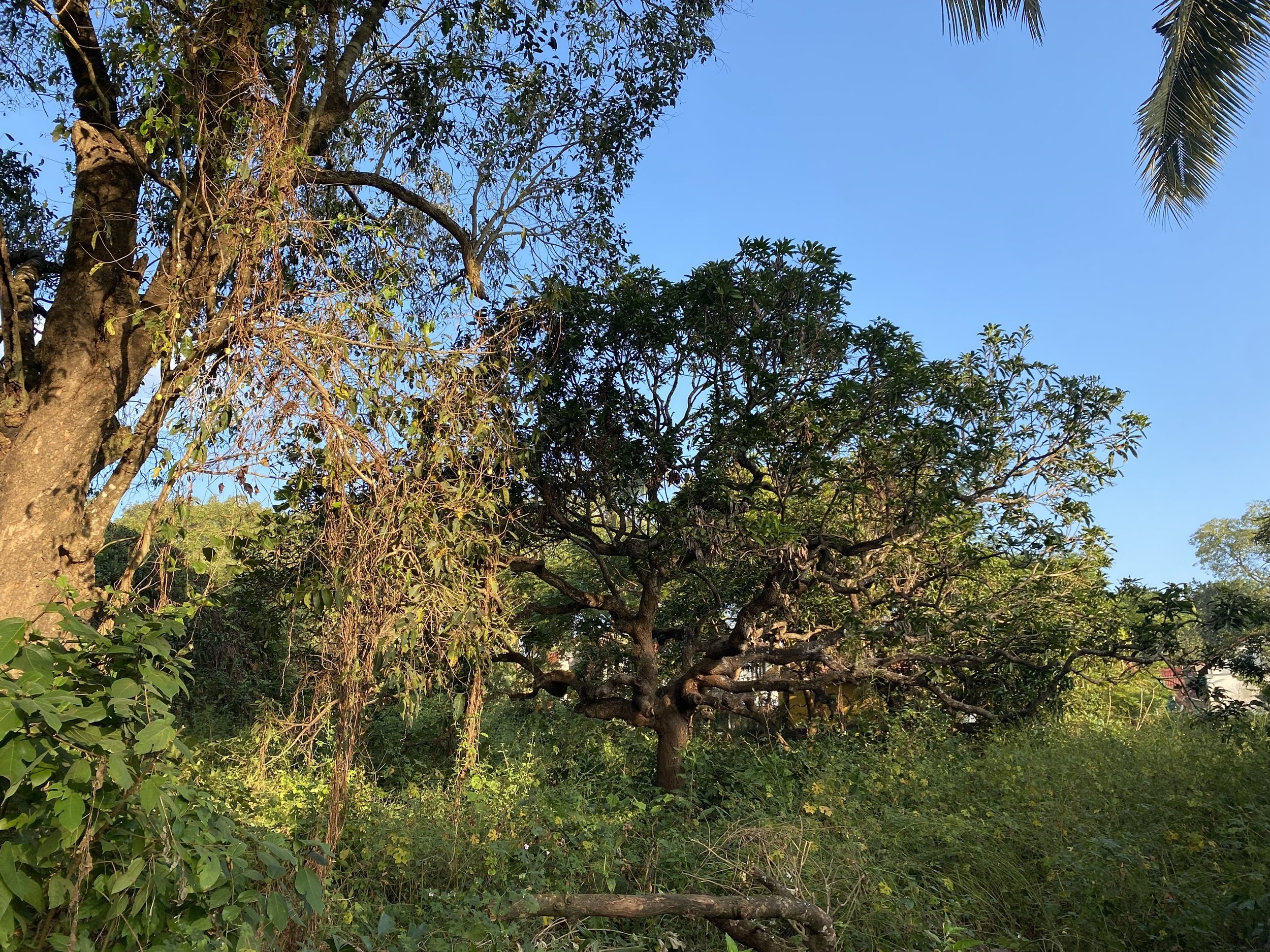
Last Night’s Silence – Five Poems by Aardhra Chandran
Poems by Aardhra Chandran: ‘Concrete trucks rumble past his fence, shaking the loose teeth / in his jaw, spitting black diesel smoke onto his holy basil plant. // He measures his life not in years, but in missing trees—/The neem chopped for wood, the mango that died of thirst.’
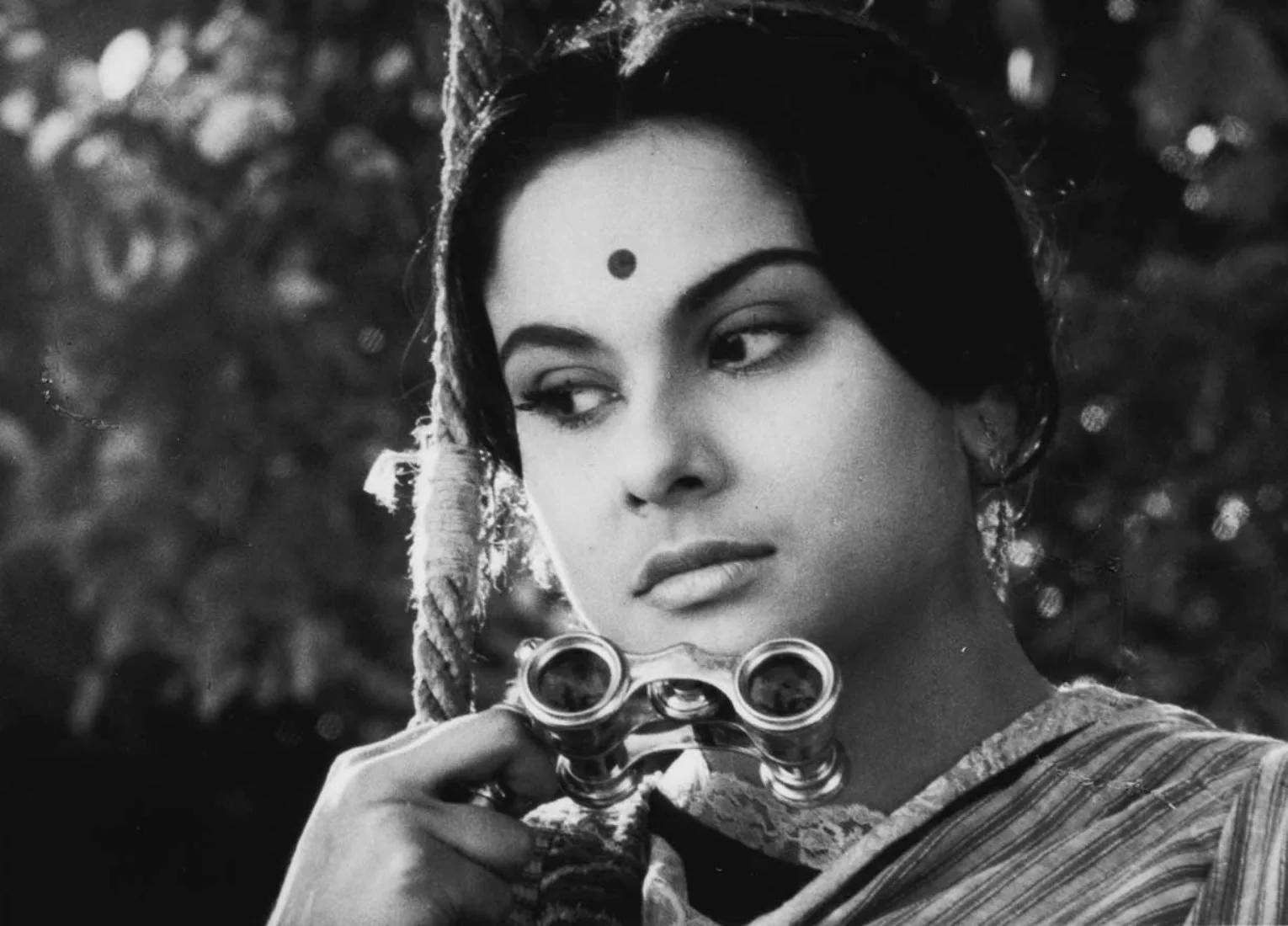
‘Charulata’ and The Unseen Woman
‘To exist fully as an artist and human, one must be seen, heard, read, and acknowledged’: Farah Ahamed explores Satyajit Ray’s Charulata through the lens of Simone de Beauvoir.
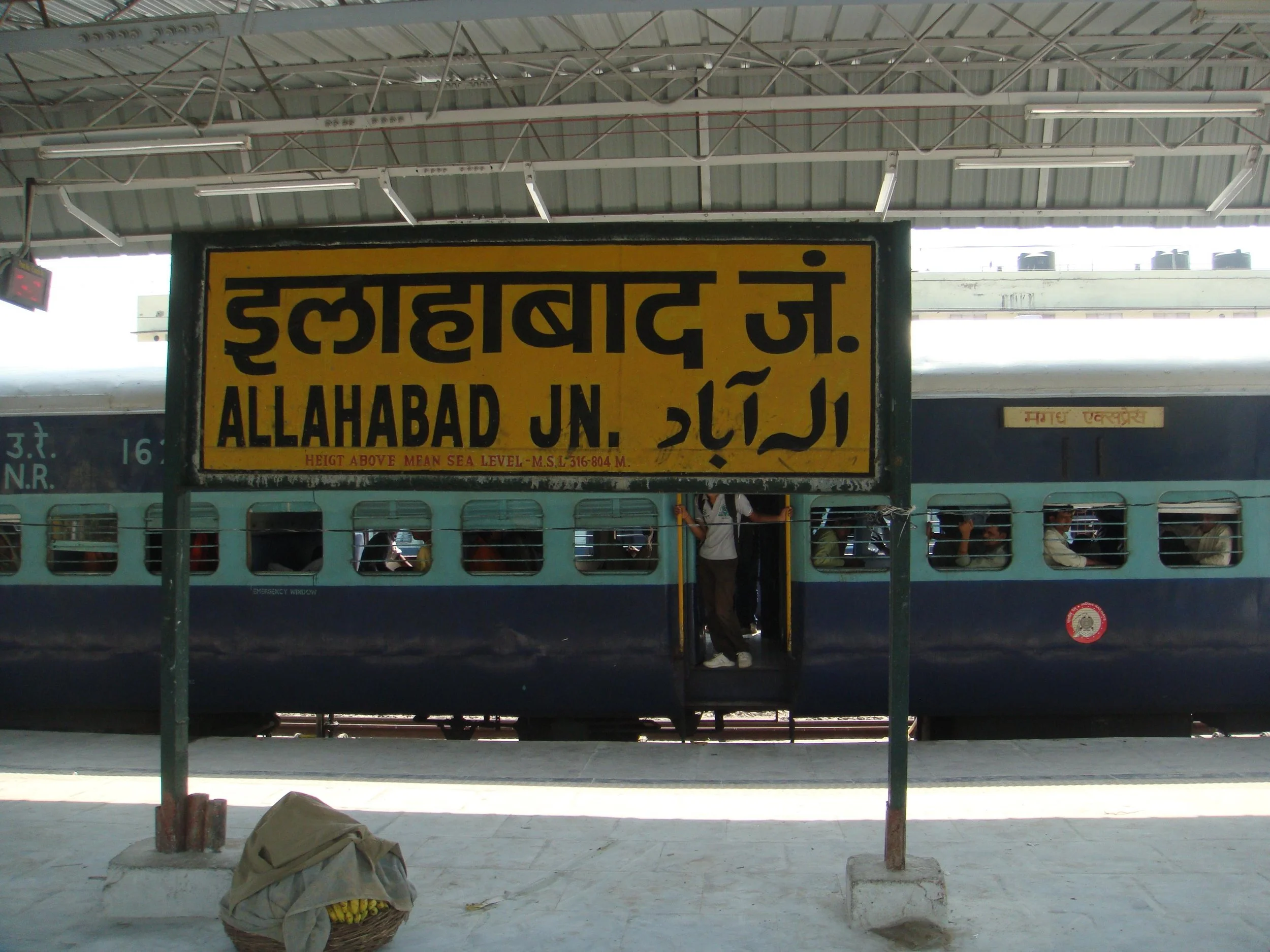
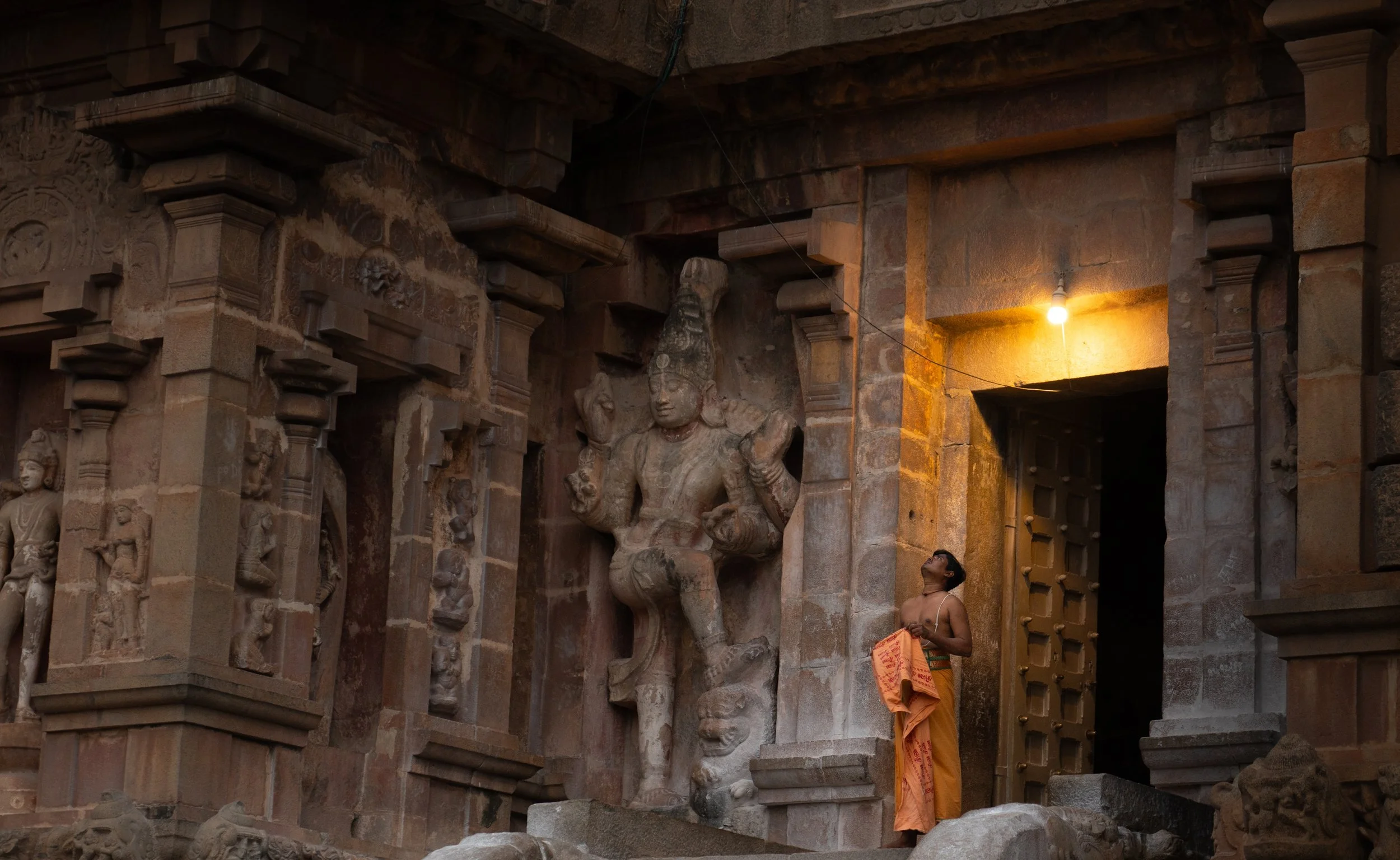
Parallel Indias
Photo series by Vijay Kowshik V P: Parallel Indias is about proximity without connection, a study of coexistence without recognition. These are images of adjacency, lives, symbols, and bodies, all occupying the same space, often within the same frame, without ever meeting.
![Welcome to… The 2nd Landour Literature and Arts Festival [LLAF]](https://images.squarespace-cdn.com/content/v1/5d7fa27ac591f01062106a9f/1788439157377-RERG0W36805OFV0LH1QC/Main+Poster.png)
Welcome to… The 2nd Landour Literature and Arts Festival [LLAF]
Visit us for the 2nd edition of the Landour Literature and Arts Festival on September 26-27, 2026, a weekend of arts, film, literature, music, and much more, featuring speakers and artists from the hillside and beyond. By The Chakkar and Mussoorie Heritage Centre
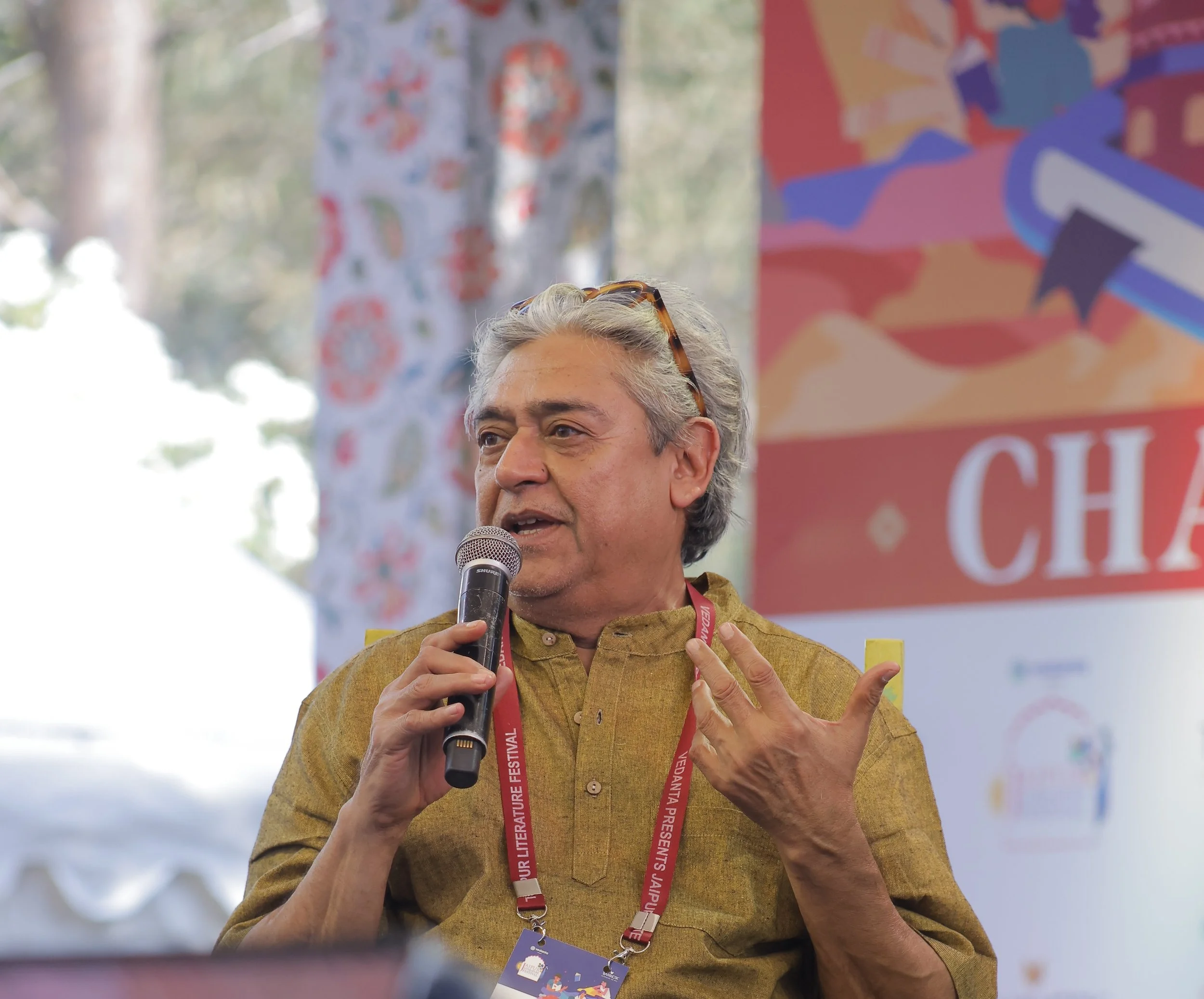
The City and its Layers: An interview with Ruchir Joshi on GREAT EASTERN HOTEL
Q&A: Ruchir Joshi speaks about Great Eastern Hotel—a novel of changing times and changing minds—about Calcutta, and his inspirations from art and memory. By Amritesh Mukherjee
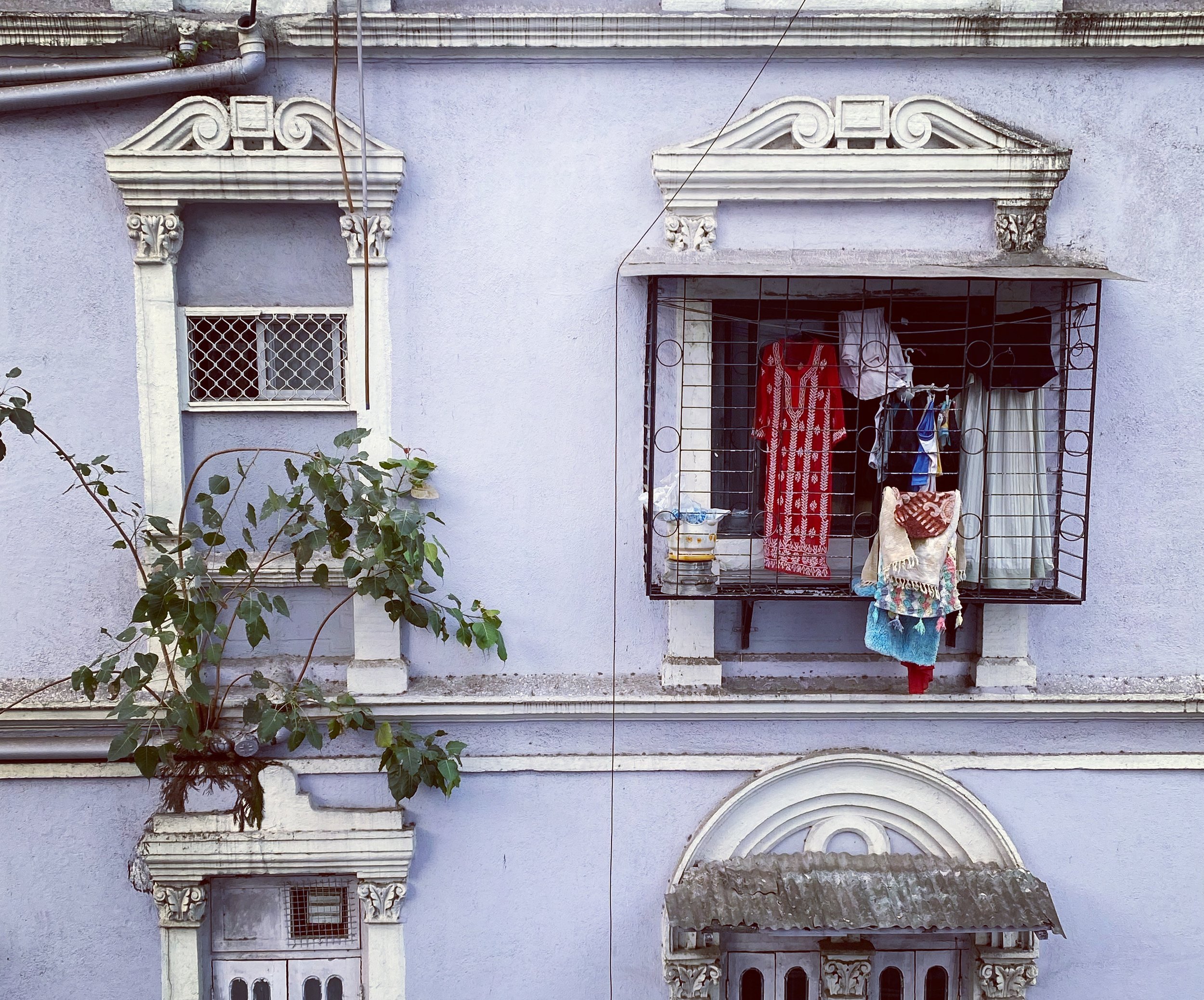
Death and the Afternoon Siesta
Short story by Vishnu Bagdawala: ‘Sometimes, I would lie in bed waiting for the tears to come. Sometimes, I would wonder how it was strange that we needed to sleep in order to be awake for the rest of our lives. Until the day when, like my grandfather, we fall into an eternal sleep.’
Bena Sareen, winner of the Oxford Bookstore Book Cover Prize, speaks about her latest honour and the “huge responsibility” of designing a memorable literary cover. By Chittajit Mitra