

Othering Mothers
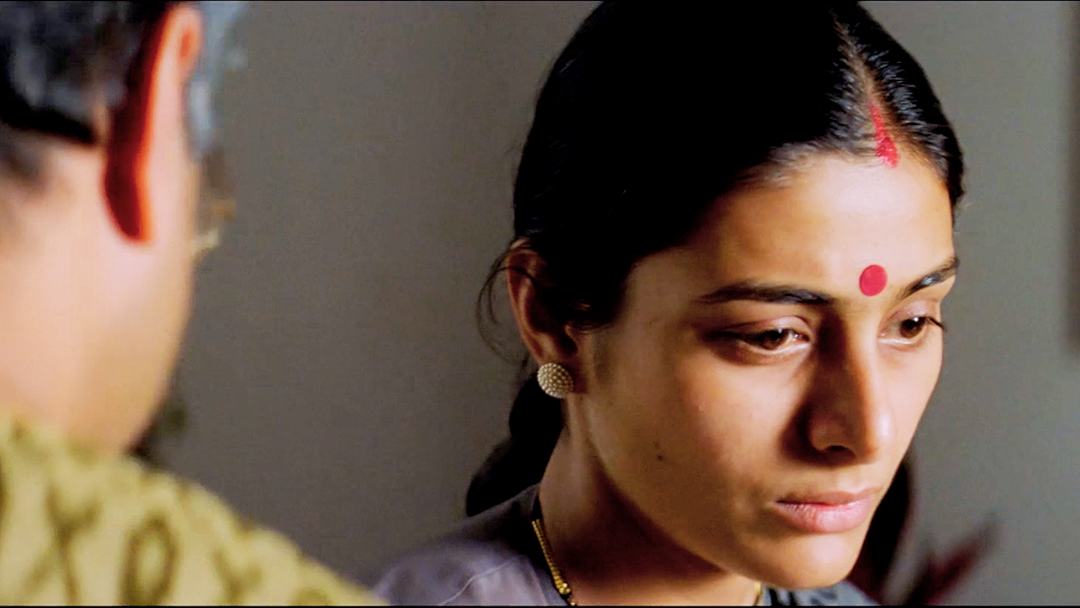
Farah Ahamed examines the complexities of motherhood and desire in Saadat Hasan Manto’s “Mummy,” Mahesh Manjrekar’s Astitva, and Deepa Mehta’s Water.
Surrealistic Icarus: Gopal Lahiri’s SELECTED POEMS
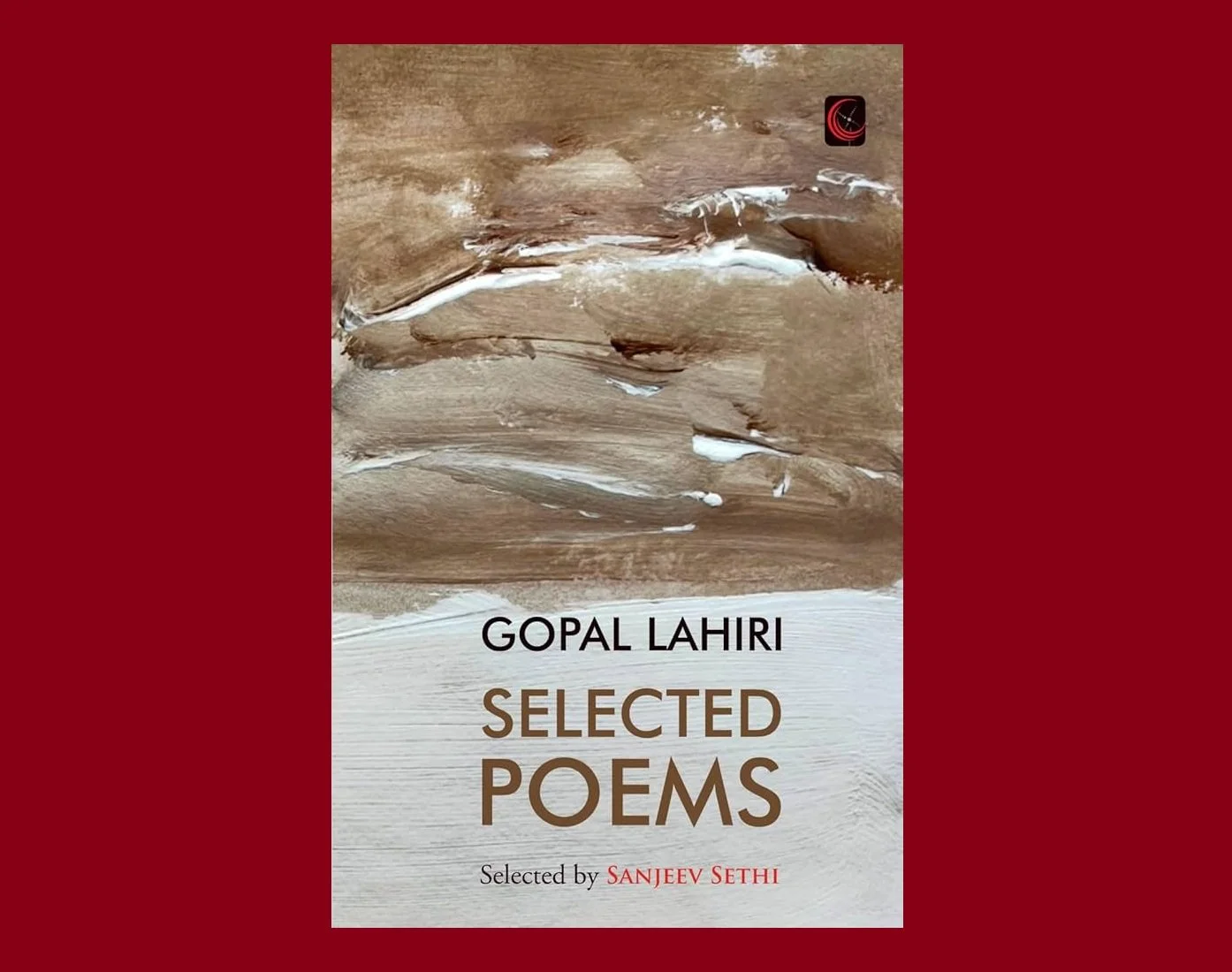
“Poetry is the diary I always carry with me.” Gopal Lahiri’s collection Selected Poems (2025) cultivates a privacy that invites readers to the poet’s second self in consciousness. By Dustin Pickering
Stories of Wisdom and Healing: An Interview with Faiqa Mansab
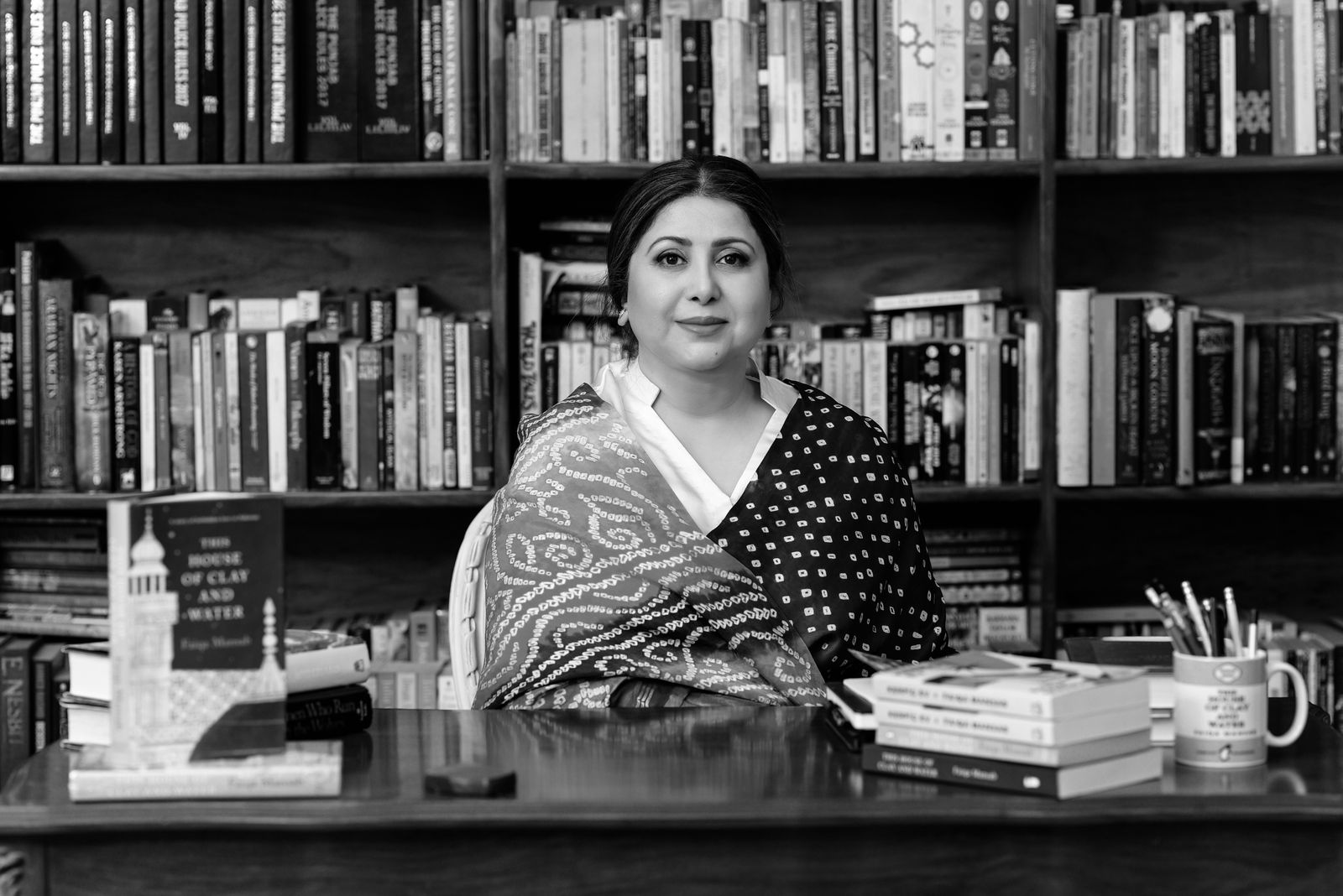
The Pakistani author Faiqa Mansab of The Sufi Storyteller speaks about women’s lives as messy, constrained, and politically situated, of motherhood as both power and erasure, about abandonment as a recurring human condition, and more. By Namrata
Found in Translation: K.M. Munshi’s ‘Unfortunate Woman’
In her translation of Gujarati literary giant K.M Munshi’s “Ek Patra,” Rita Kothari uses language to reveal not just the story, but the hidden realities of the lives inhabited by the characters. By Rohee Dholakia
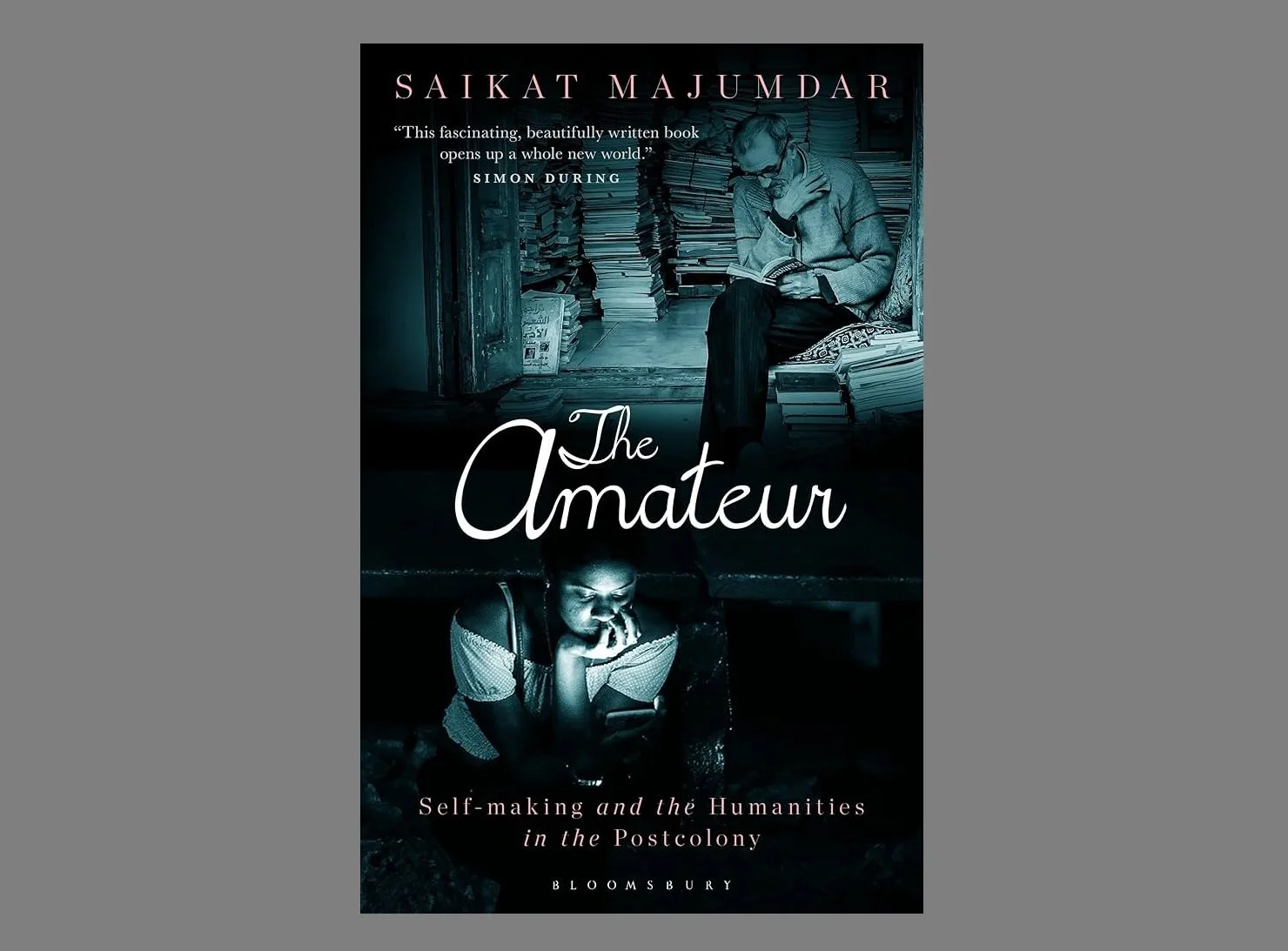
A Call for a Postcolonial Education Revolution
In The Amateur (2024), Saikat Majumdar explores education, humanity, and inclusivity from different perspectives to highlight the major flaws of colonial education. The book asks for intensive correction in institutions and in the people’s psyche. By Kabir Deb
India’s AI Governance Guidelines are here—But what of the Publishing Sector?
Without clear regulatory mechanism against AI data mining, Indian publishers have begun adapting voluntary frameworks. Madhuri Kankipati argues for the urgent need for the AI governance guidelines to set legislation and protect creative workers in a multilingual, digitally expanding nation.
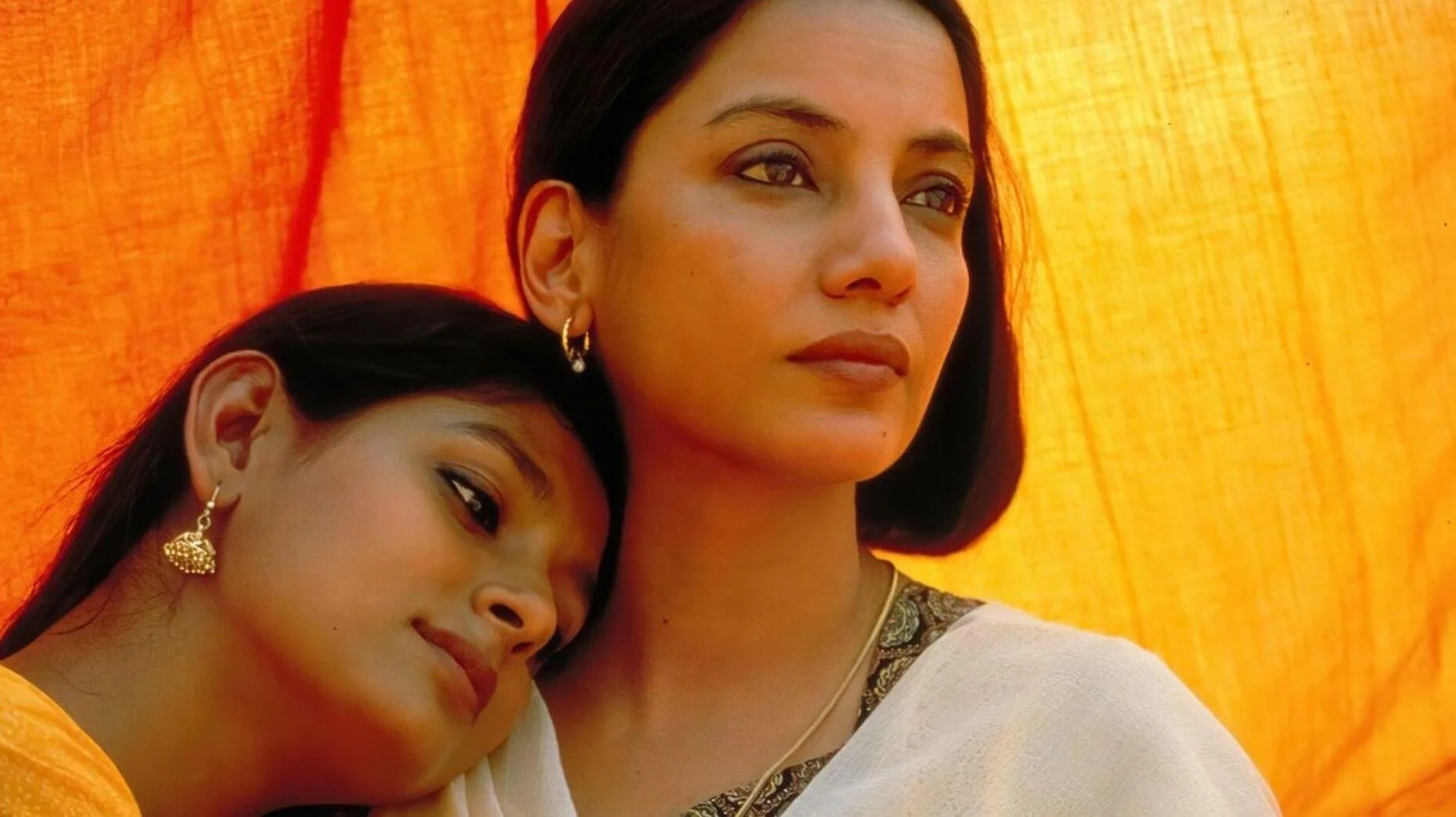
The Politics of Female Longing in Fire and “Lihaaf”
In the art of filmmaker Deepa Mehta and writer Ismat Chughtai, Farah Ahamed explores themes of patriarchy, infidelity, and a testament to the desires of women.
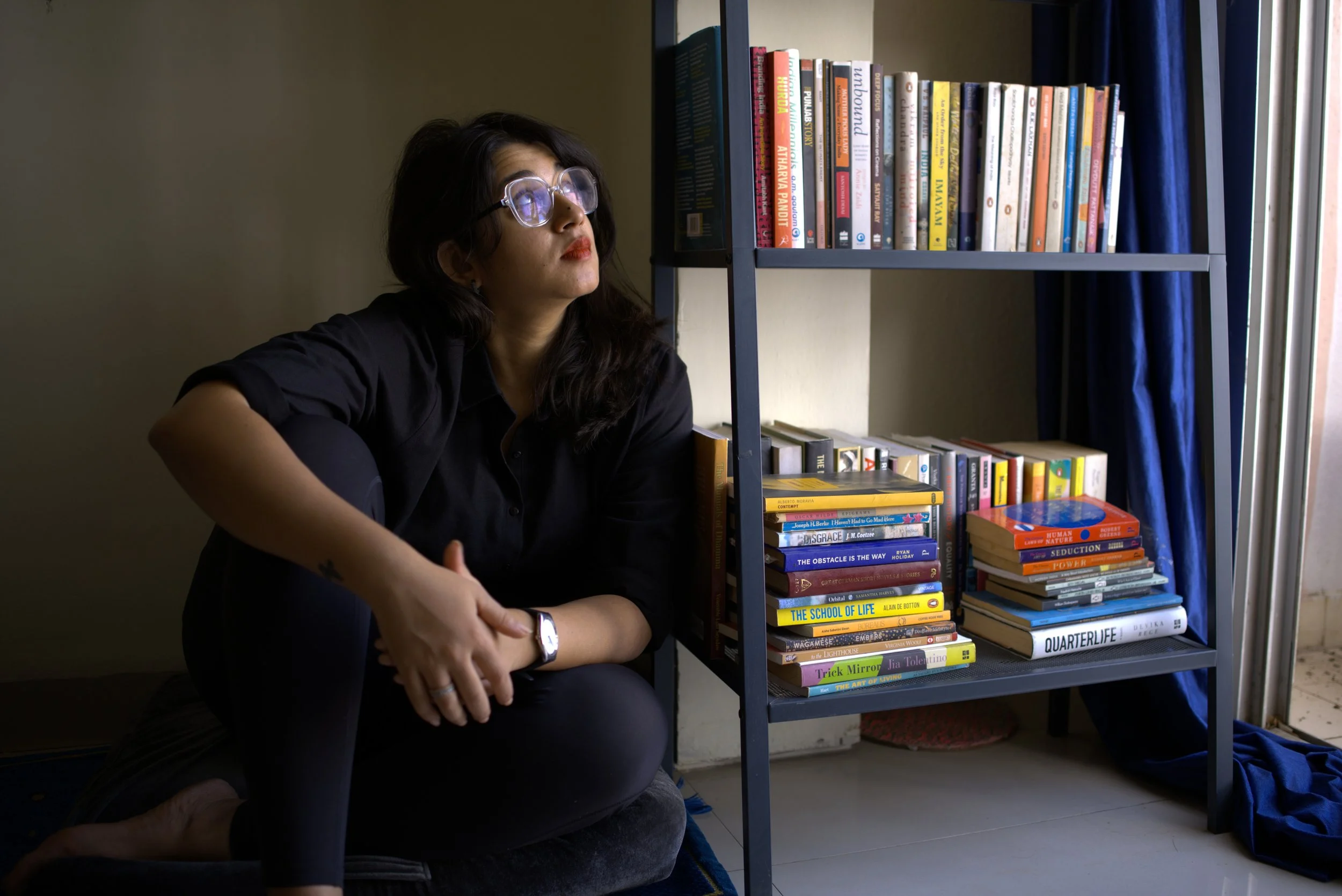
“Storytelling Saves My Life Every Day” – An Interview with Sanjana Ramachandran
Sanjana Ramachandran’s debut Famous Last Questions investigates the clash of the personal with the sociopolitical. The author speaks about masking and unmasking herself, finding comfort in contradictions, and the flawed institutions of marriage, relationships, and work. By Karan Madhok
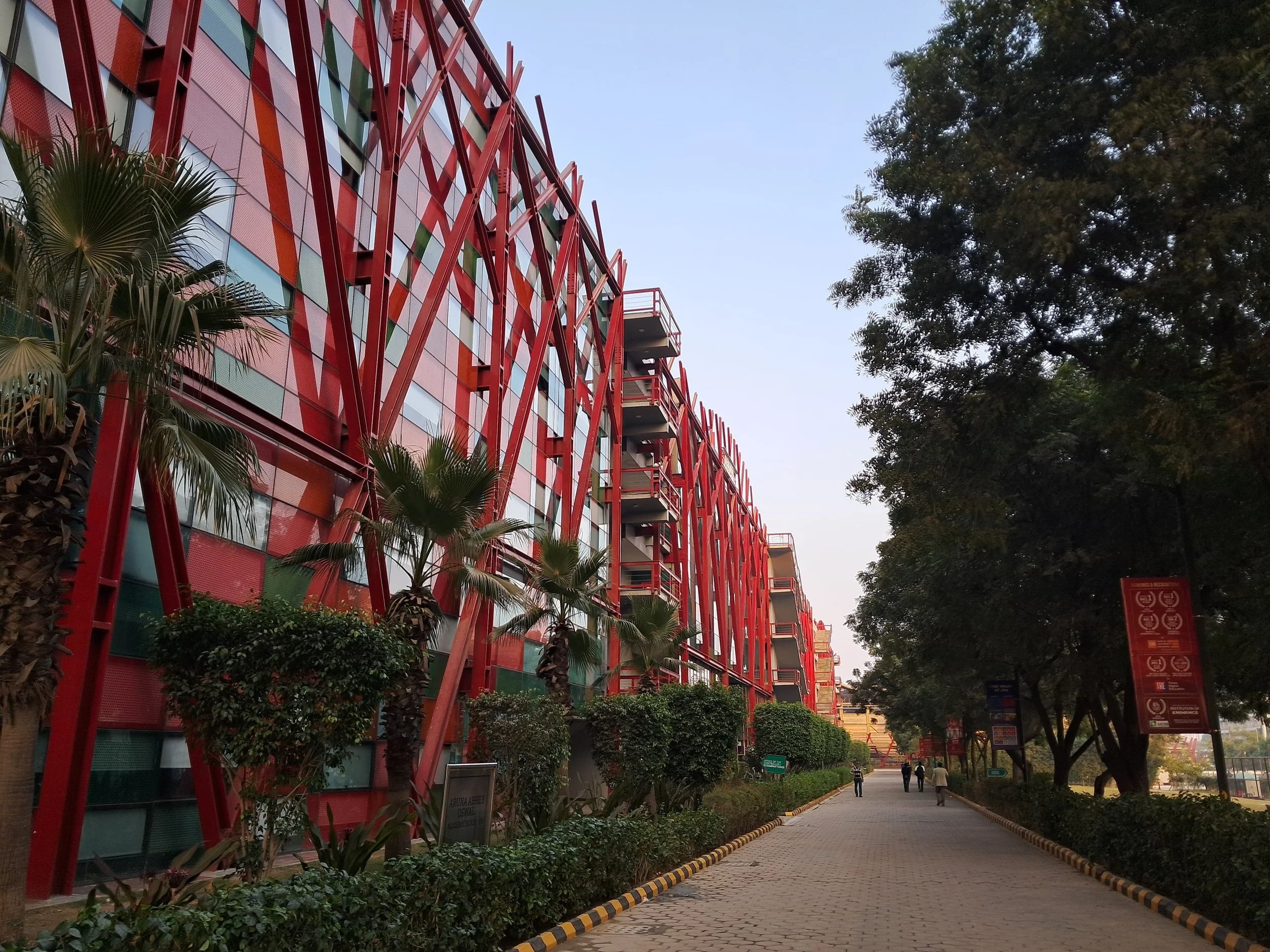
The Lunar Learning
Personal Essay: Who has access to knowledge? Ph.D. scholar Swathi Priya explores how multidisciplinary lenses of caste inclusion, neoliberal market, liberal ideology, mental health imperatives, and literature inform her larger research goals.
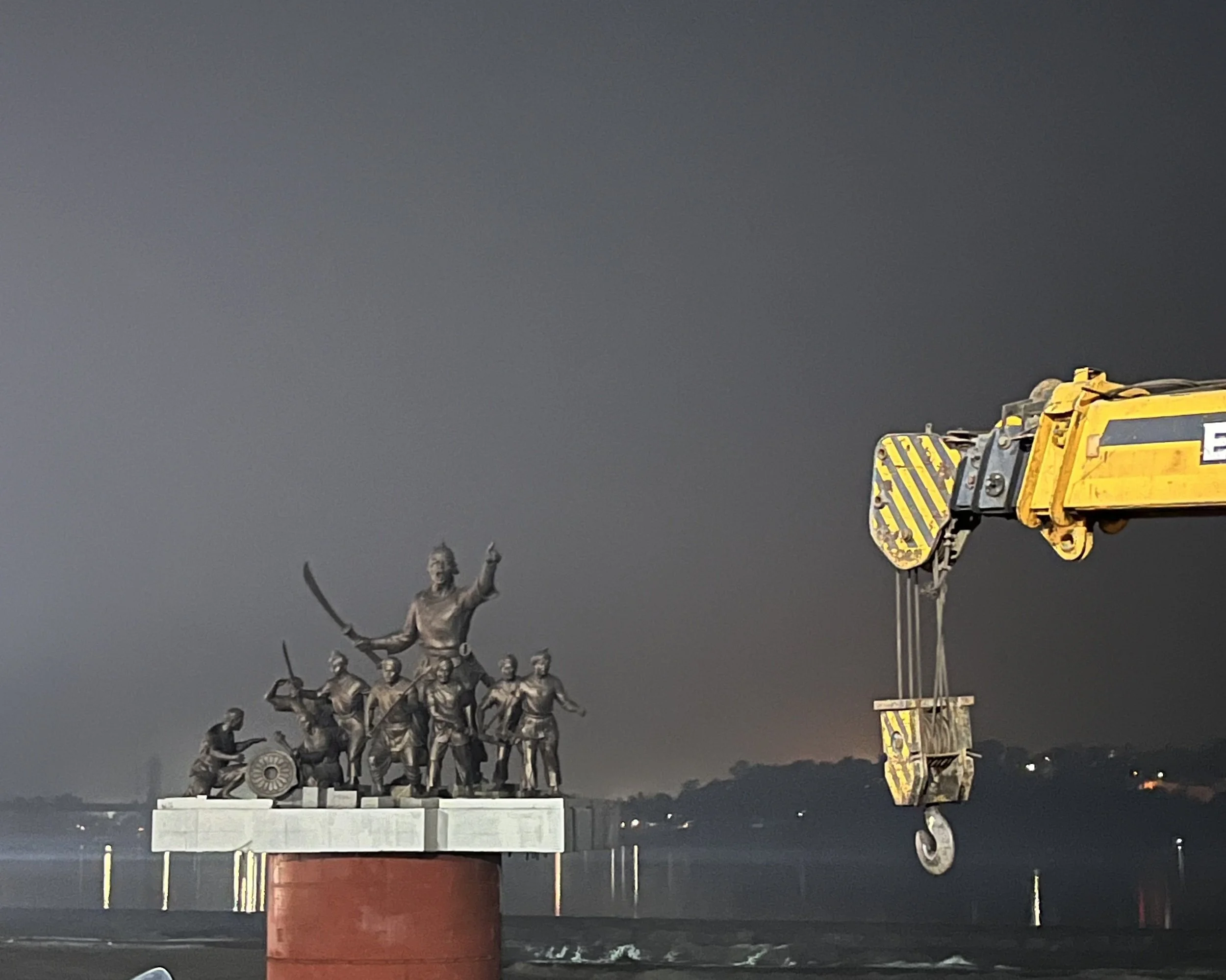
The City That Remains: Guwahati, and the Poetry it Inspires
Through memories, juxtapositions, and observations of the intricate, the poems about Guwahati in The Penguin Book of Poems on the Indian City (2025) portray a city that no longer exists, having metamorphosed into a new ‘synthetic’ space marred by politics and reckless urbanisation. By Ayaan Halder
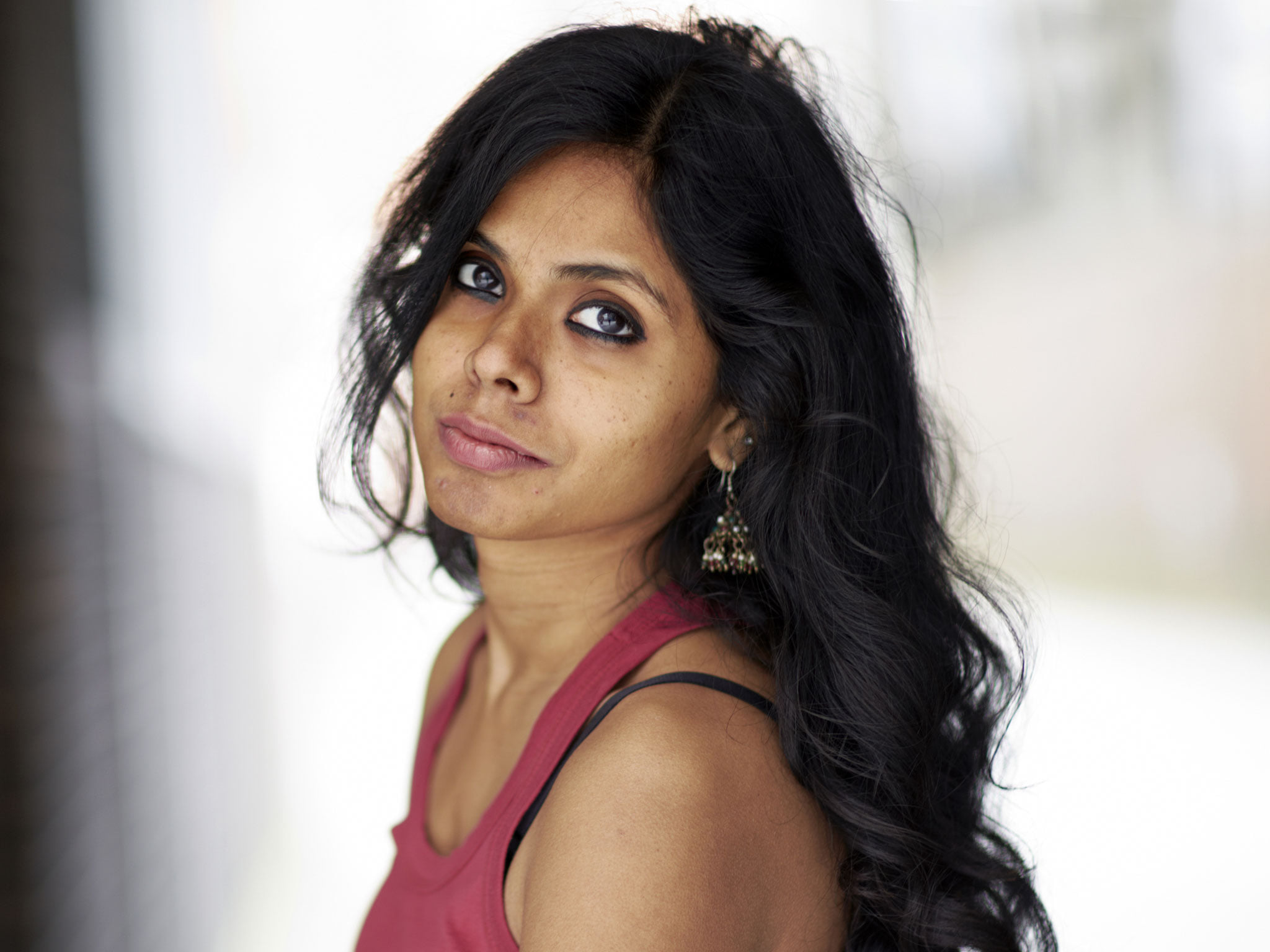
“Revolutionary literature requires revolutionary politics”: An Interview with Meena Kandasamy
Acclaimed author Meena Kandasamy discusses the uncompromising and unapologetic resolve in her writing, confronting violence with art, and why activism is a form of love. By Saurabh Sharma
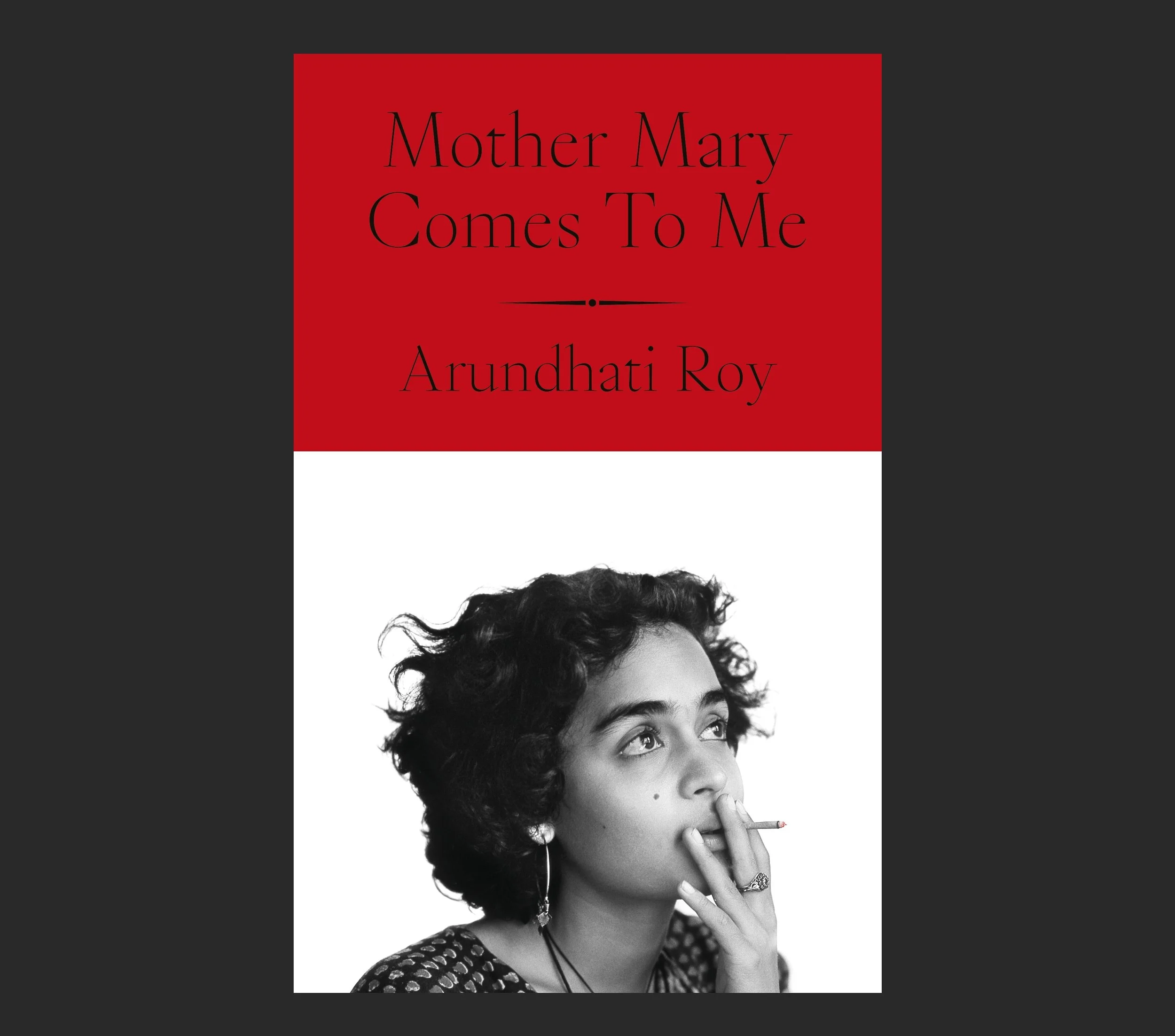
The Storm and the Storyteller: Arundhati Roy’s MOTHER MARY COMES TO ME
Through her memoir, Arundhati Roy revisits the foundry where her courage was forged, to the mother who didn’t prepare her for success, but inadvertently trained her to withstand both adoration and hatred to determine her survival. By Amritesh Mukherjee
Bena Sareen, winner of the Oxford Bookstore Book Cover Prize, speaks about her latest honour and the “huge responsibility” of designing a memorable literary cover. By Chittajit Mitra