The Poetry of Hands
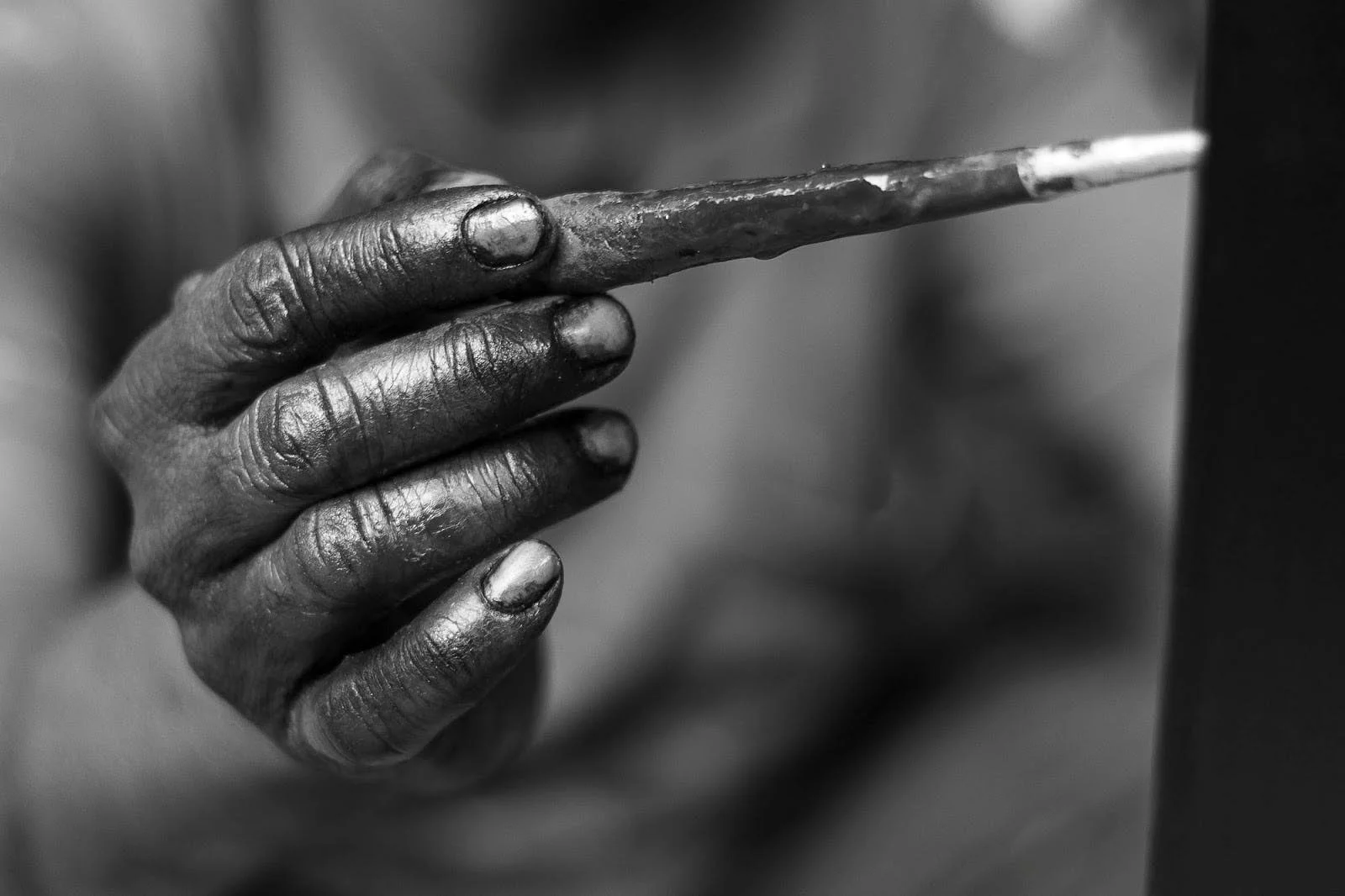
Photo: Danny
Photography: In a monochromatic study of labour, dignity, and the tactile reality of survival in New Delhi, the photographer Danny presents a visual archive of the silent architects of our capital.
- Danny
From the grease-stained palms of mechanics, the rhythmic movement of weavers, to the calloused grip of construction labourers, this series captures the physical toll and the inherent grace of manual work in Delhi. “The Poetry of Hands” serves as a visual archive of the invisible strength that sustains our modern landscape, offering a raw and intimate look at the human cost and the beauty of honest toil.
This photo essay, developed through 2025 and 2026 across the industrial and informal sectors of Delhi, is a monochromatic study of labour, dignity, and the tactile reality of survival. It moves beyond the faces of the working class to focus on the instruments of their struggle—the hands.
Working hands give an impression of the abrasiveness and adversity faced on a daily basis. I have seen their suffering, the effort put forth to get conduct the most difficult of jobs for little compensation.
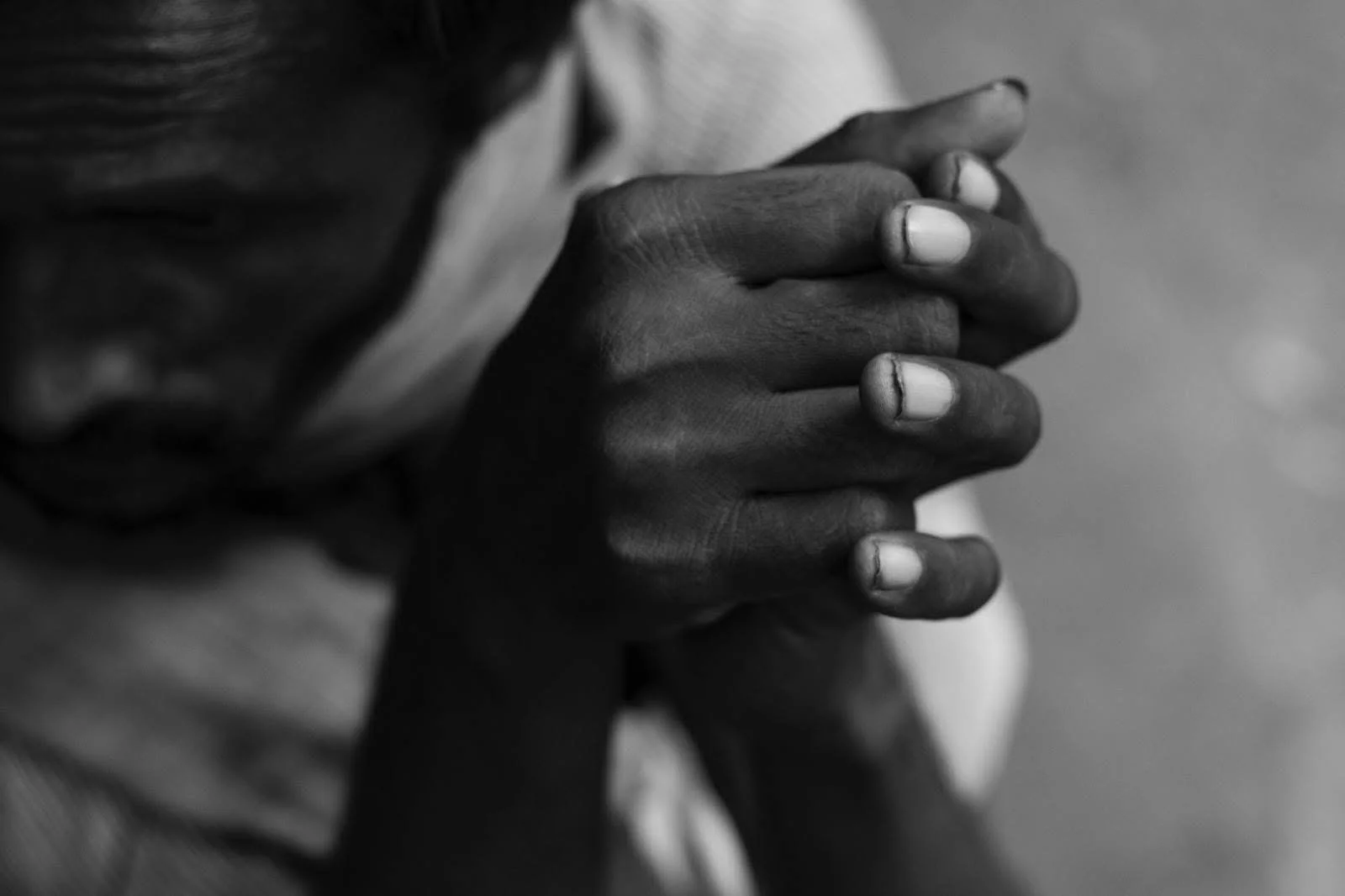
Photo: Danny
This man is using his hands to fix the cycle rickshaw and the damaged tyres at his roadside open shop in the Lajpat Nagar neighbourhood. He related how, since he is alone responsible for supporting his family, he must manage all other costs to cover his daily living needs.
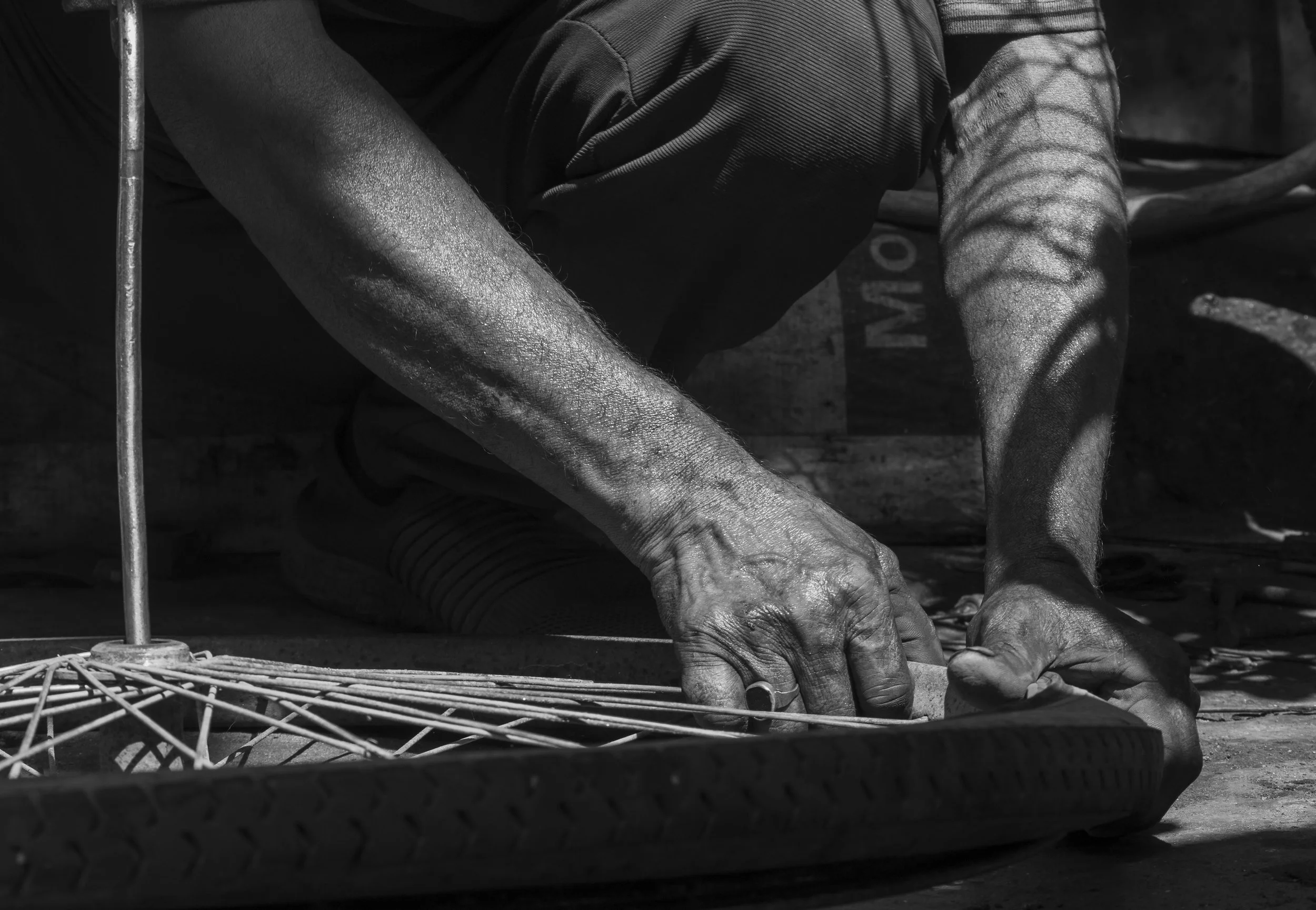
Photo: Danny
The roadside barber on the ring road is located in Defence Colony, New Delhi, one of the most upscale areas of the city. He makes a nice living every day and is content that he can support his family, because he now has a stream of income from the auto rickshaws and rickshaw wallas who stop to get their haircuts and shaves done. Other locals also turn to him for grooming services.
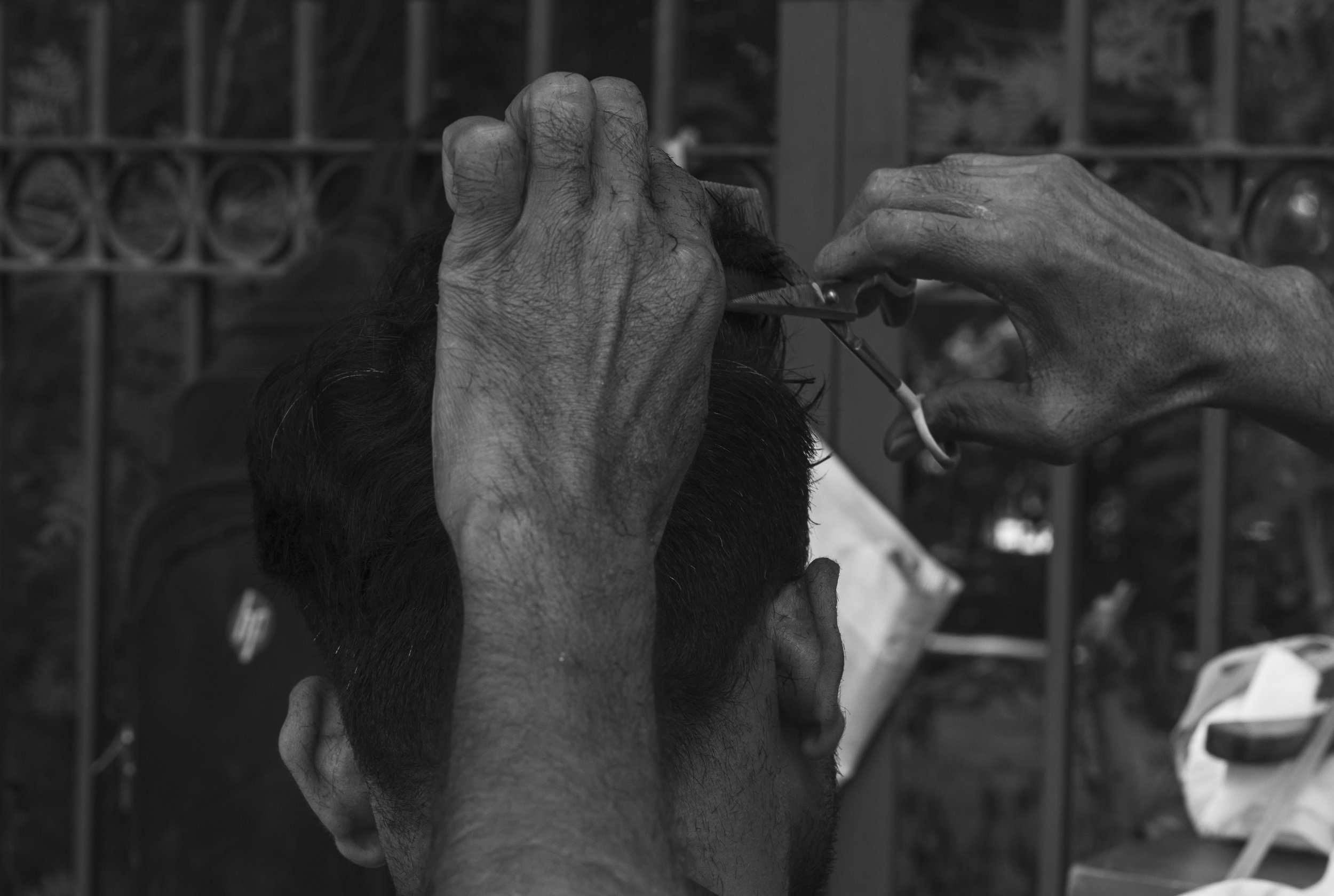
Photo: Danny
The busy and populated Okhla neighbourhood is located next to the banks of the Yamuna River, with broken and narrow roadways. It is busy and congested, making walking here challenging. In the winter, people there still use coarse-fibre logs for heating. This worker works in a log shop, where he chops logs and gathers fibre to store in bags. The workspace is spacious, and people here store the chopped log fibre and continue packing it as needed by customers.
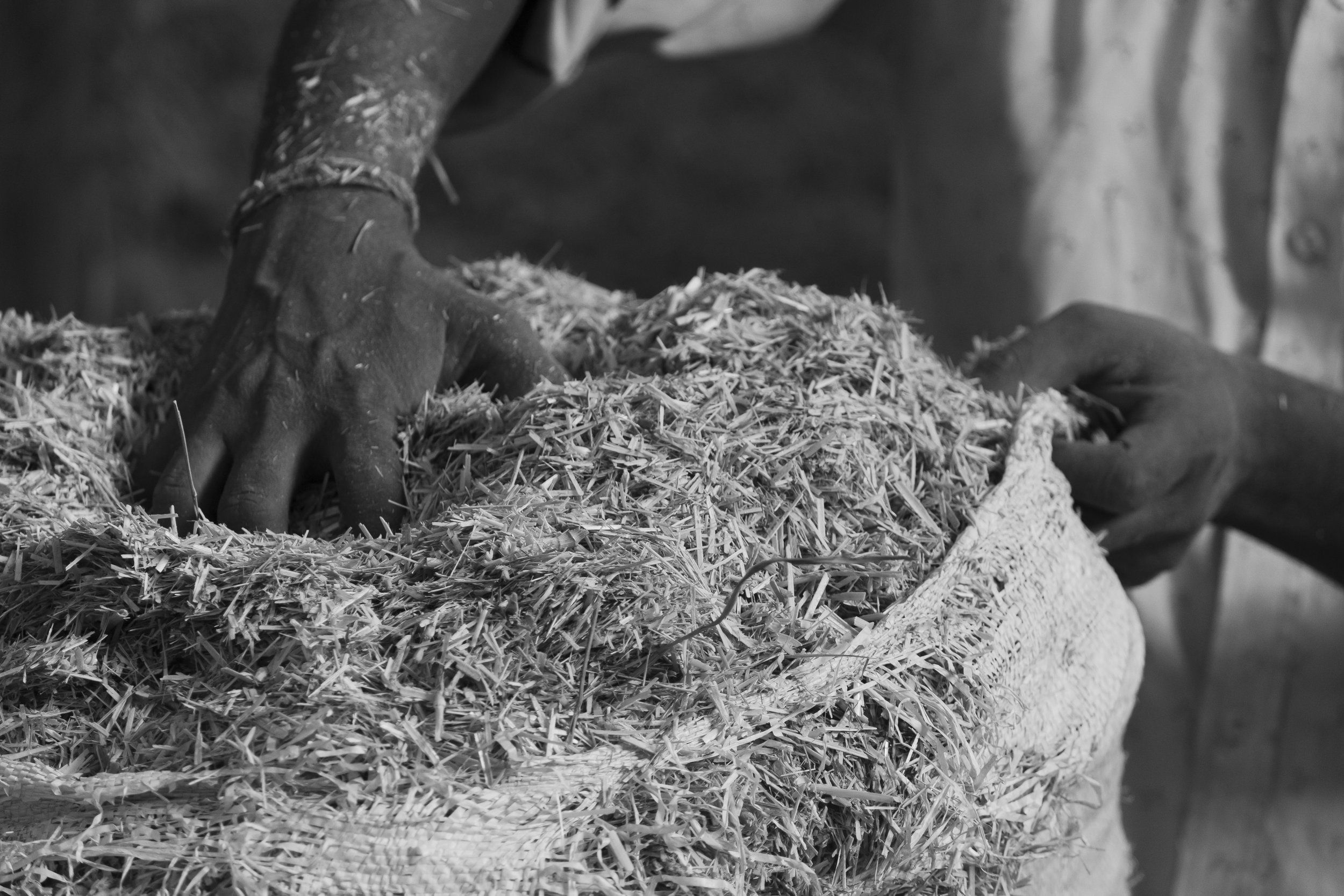
Photo: Danny
At the Central Market in Lajpat Nagar, street vendors make their daily earnings in the sweltering summer heat.
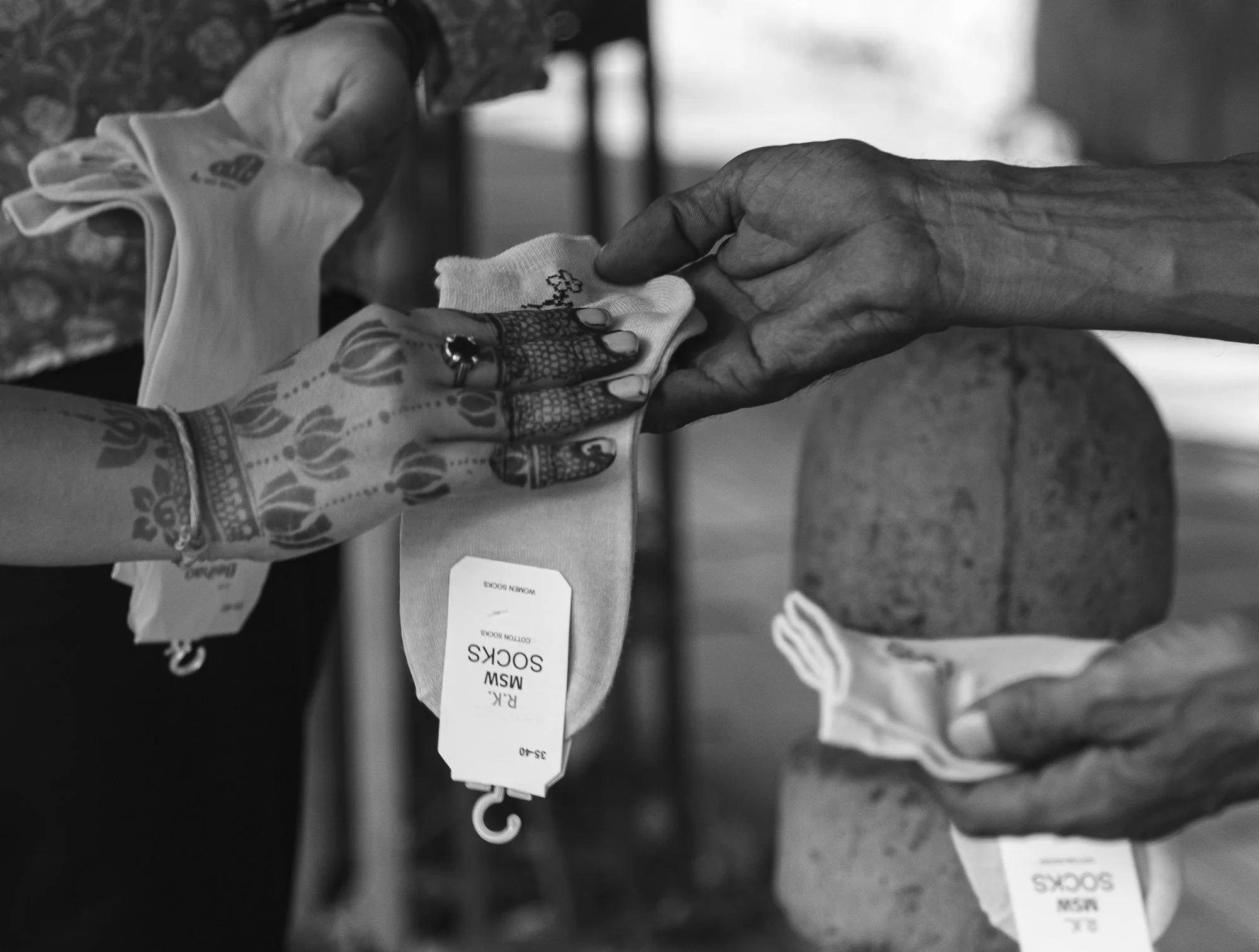
Photo: Danny
The city’s old furniture market is situated at areas adjoining East of Kailash and Lajpat Nagar, where wood polishers focus on preserving the original finish and history of antique furniture.
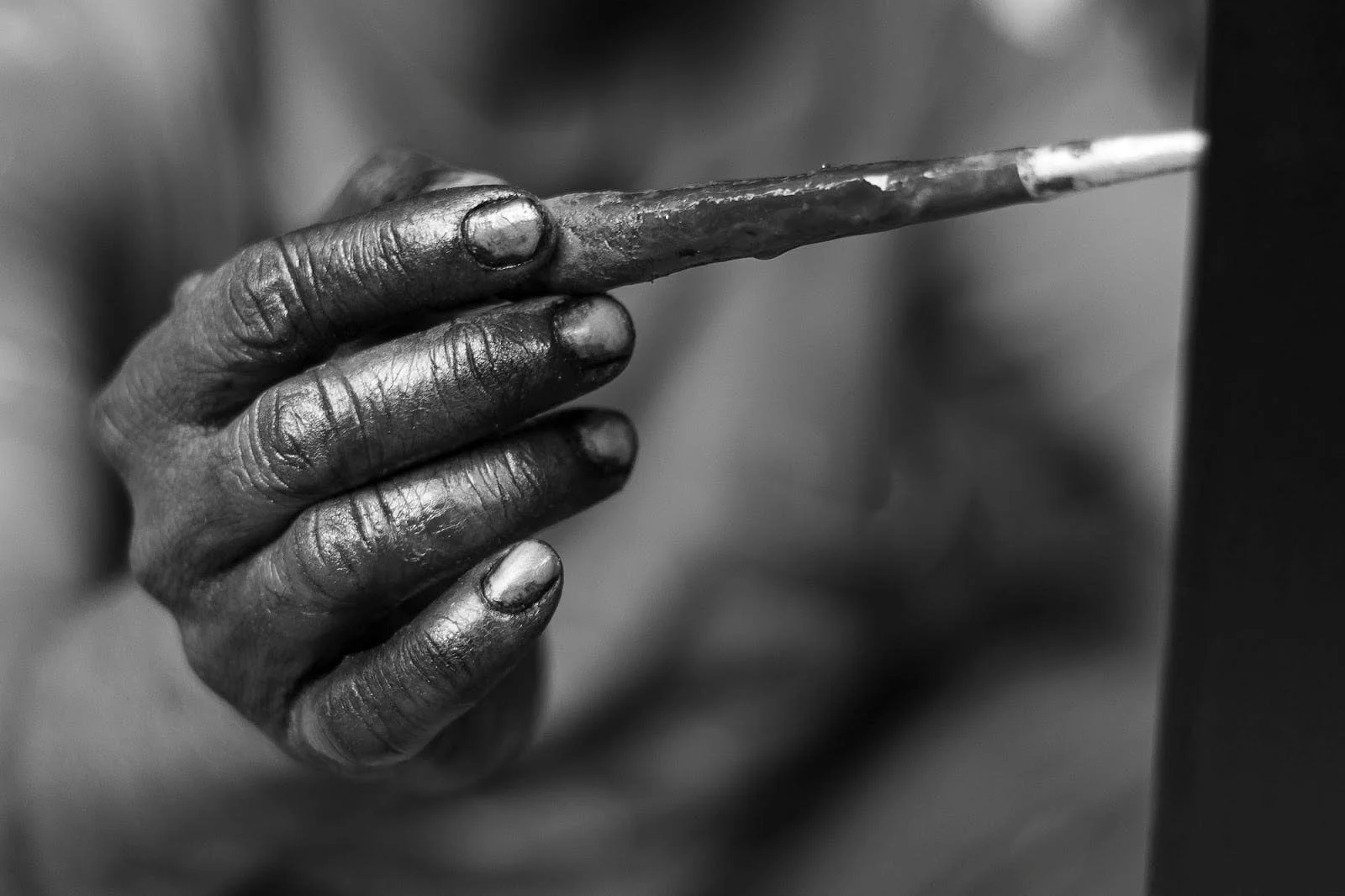
Photo: Danny
Woodcutters and lumberjacks take up space in the congested Okhla area, besides other food vendors and labourers.
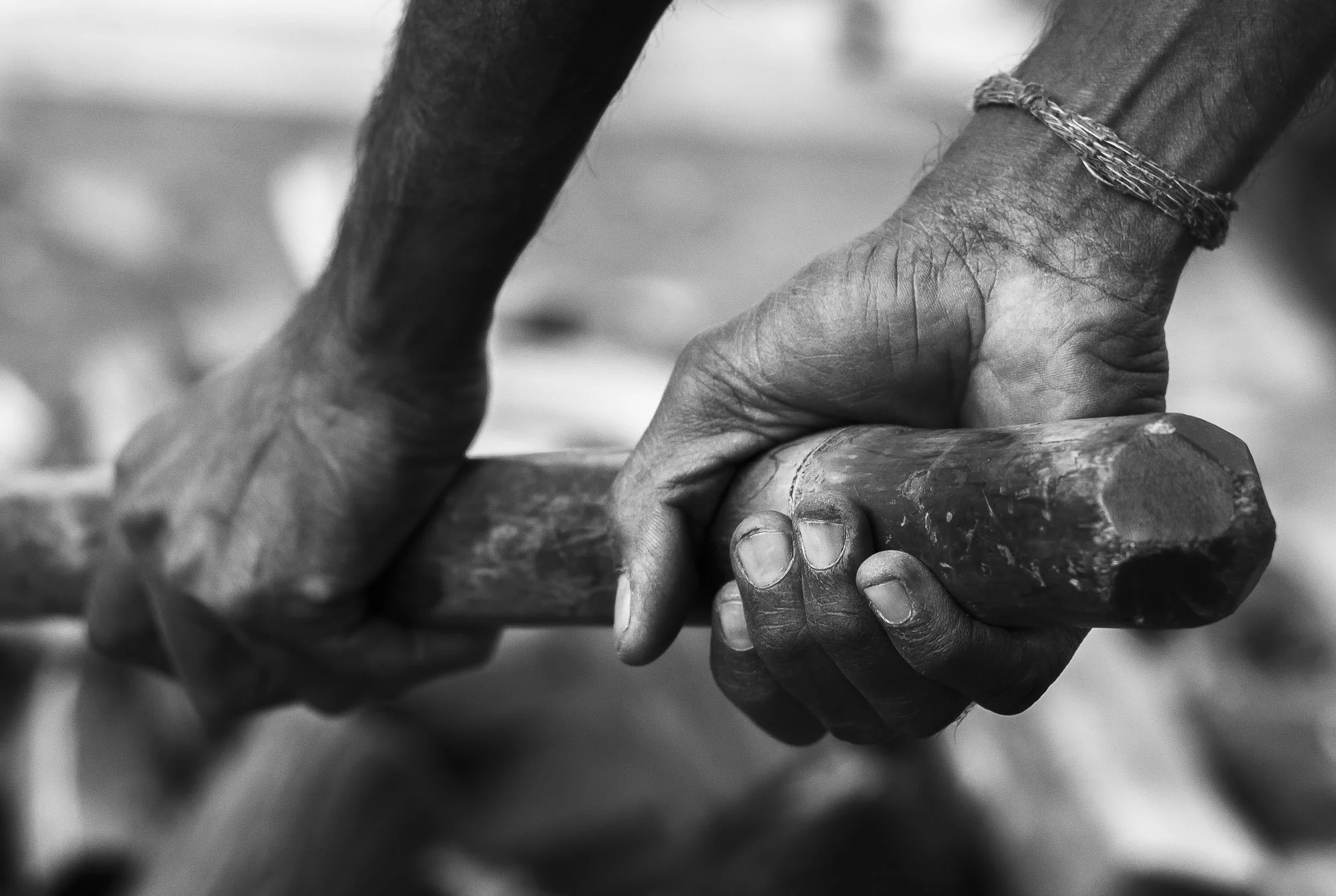
Photo: Danny
A street coal merchant works under the summer heat at Jamia Nagar. The merchant transports, measures, and sells fuel chunks that power tea kiosks, street cooks, and off-grid residences. Hardened by fire and only softened by perspiration, his hands convey a tale of silent tenacity.
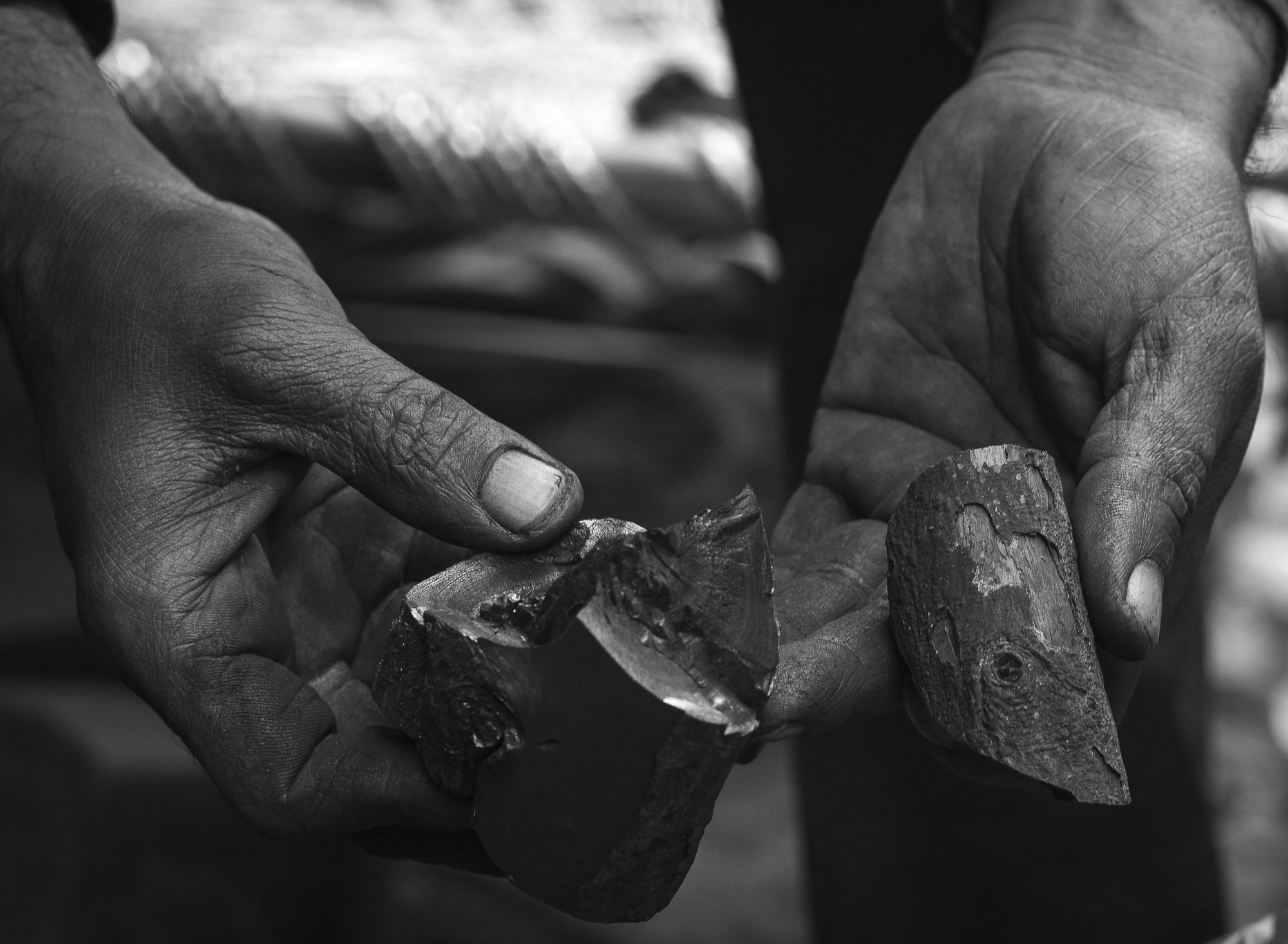
In Jamia Nagar, this labour requires the expertise to sort the logs and ensure the heavy ones are weighed and balanced perfectly. The hands of these labourers tell a story of their hard earnings. Many suffer musculoskeletal injuries like strains, sprains, and even herniated discs on the job.
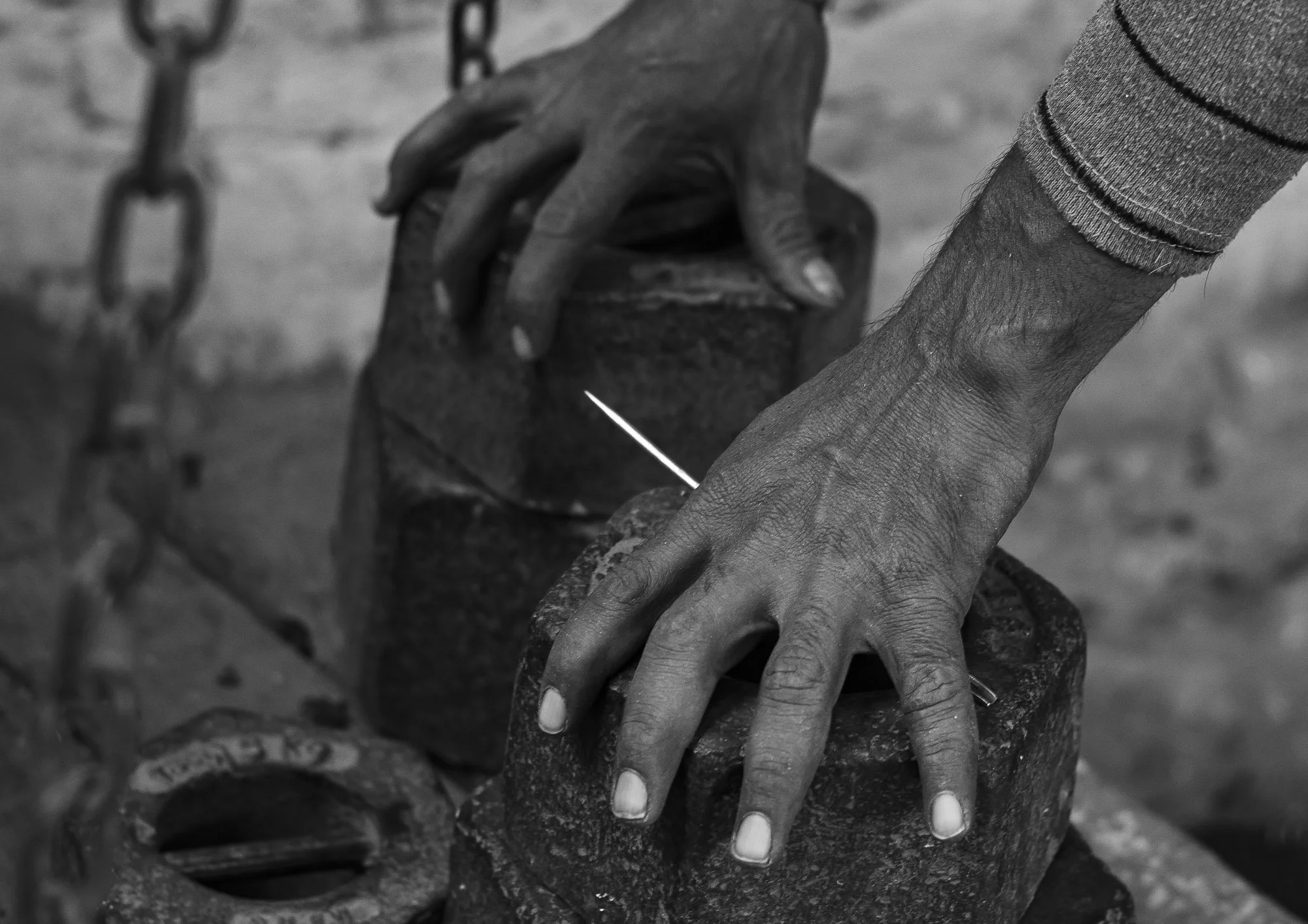
Photo: Danny
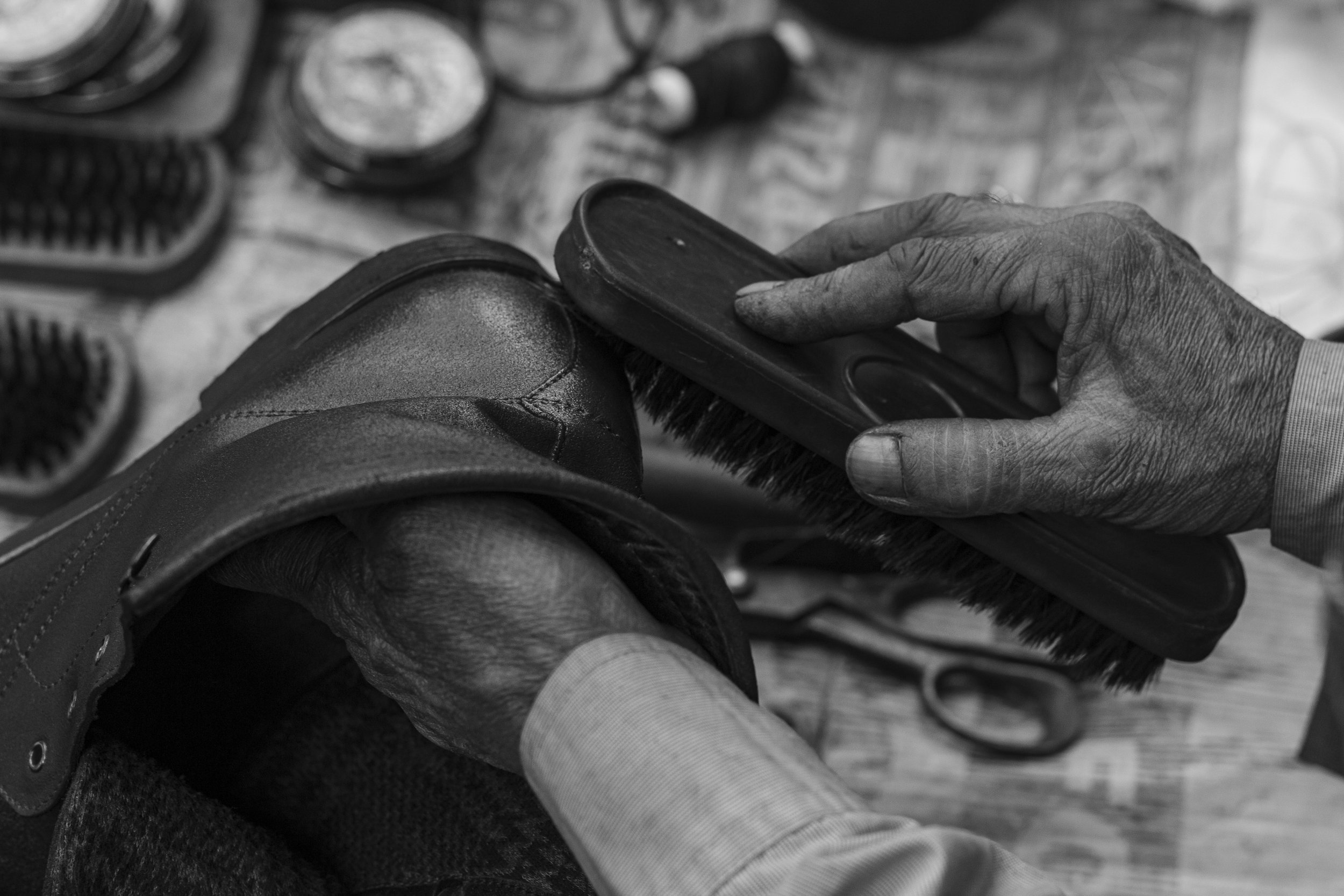
This cobbler or shoemaker has a spot to make his daily earnings on the corner side of the ring road in the Moolchand area.
Old Delhi is renowned for its food nooks and commercial district. This region is distinct from others due to the large number of street vendors that set up shop along the side of the road to display and sell their distinctive wares. This fishing gear vendor arranges hooks by hand to sell on the streetside.
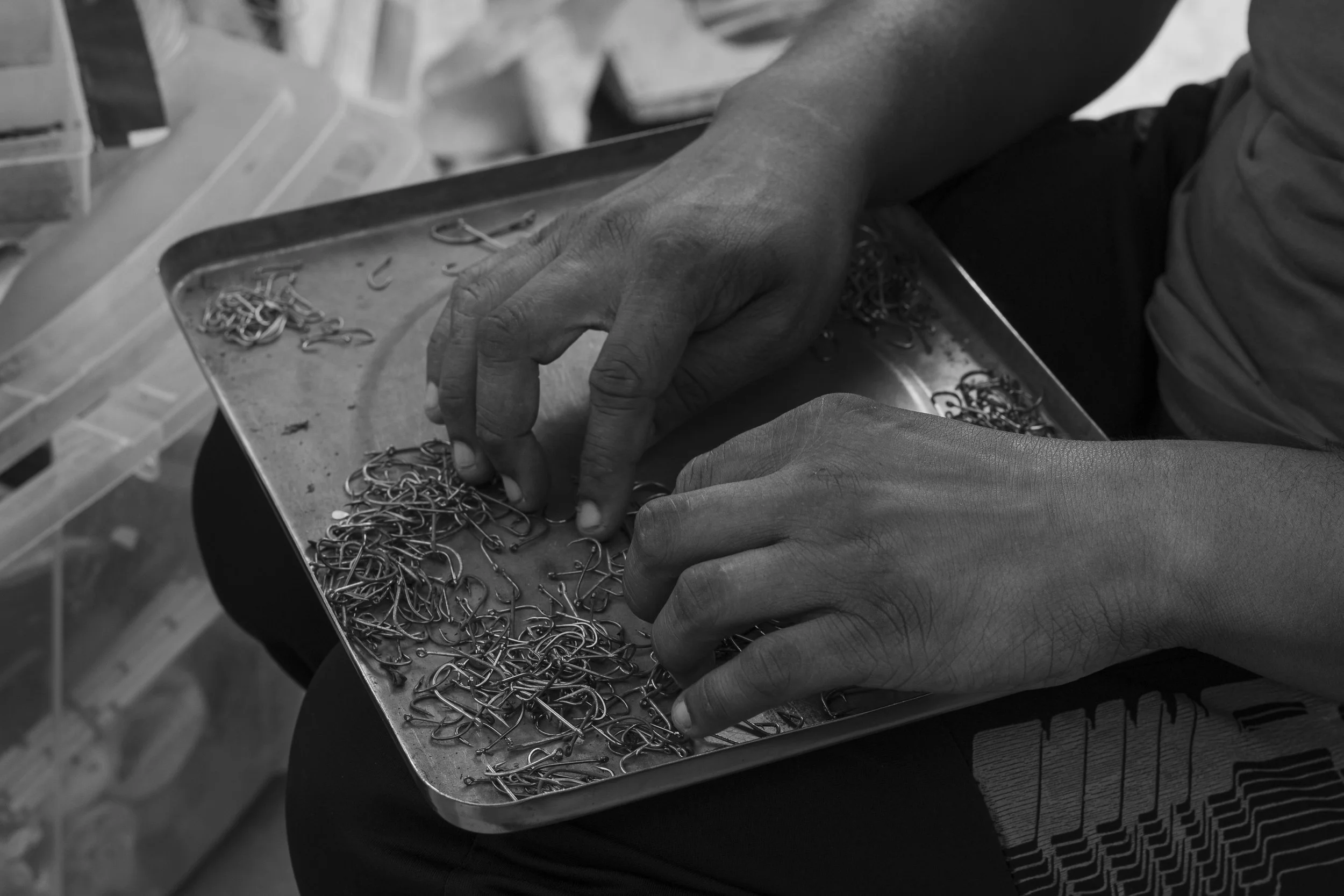
Photo: Danny
At ITO, here are hands of transaction: the hands of labourers, and the hands of consumers.
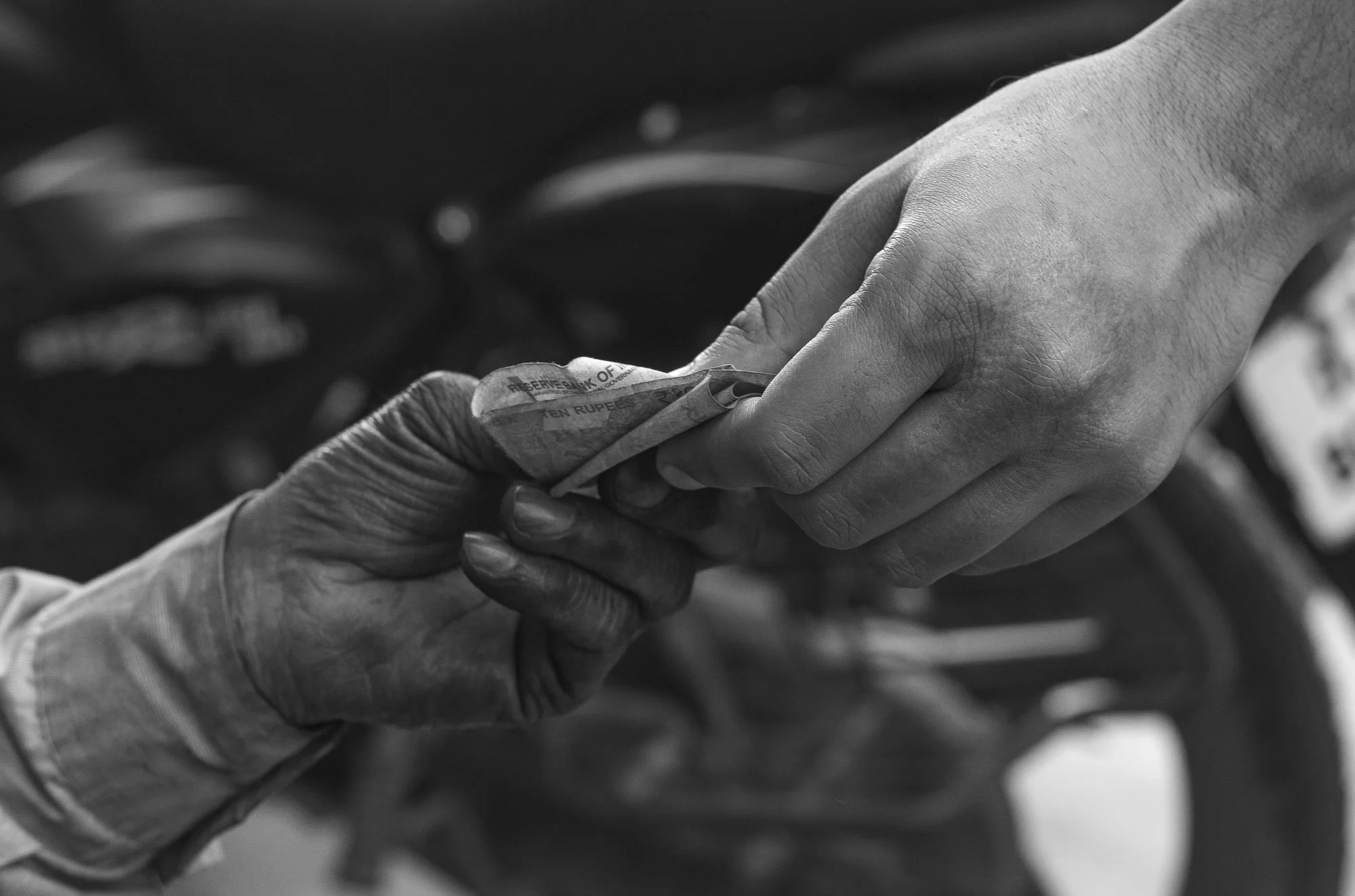
Photo: Danny
It’s finally time to relax, with palms open to the dense air and fingers lightly curled. This calm period is not just a respite but a form of silent survival after hours of lifting, repairing, and suffering the heat. Even when the work is done, the wear is still visible in each callus and line.
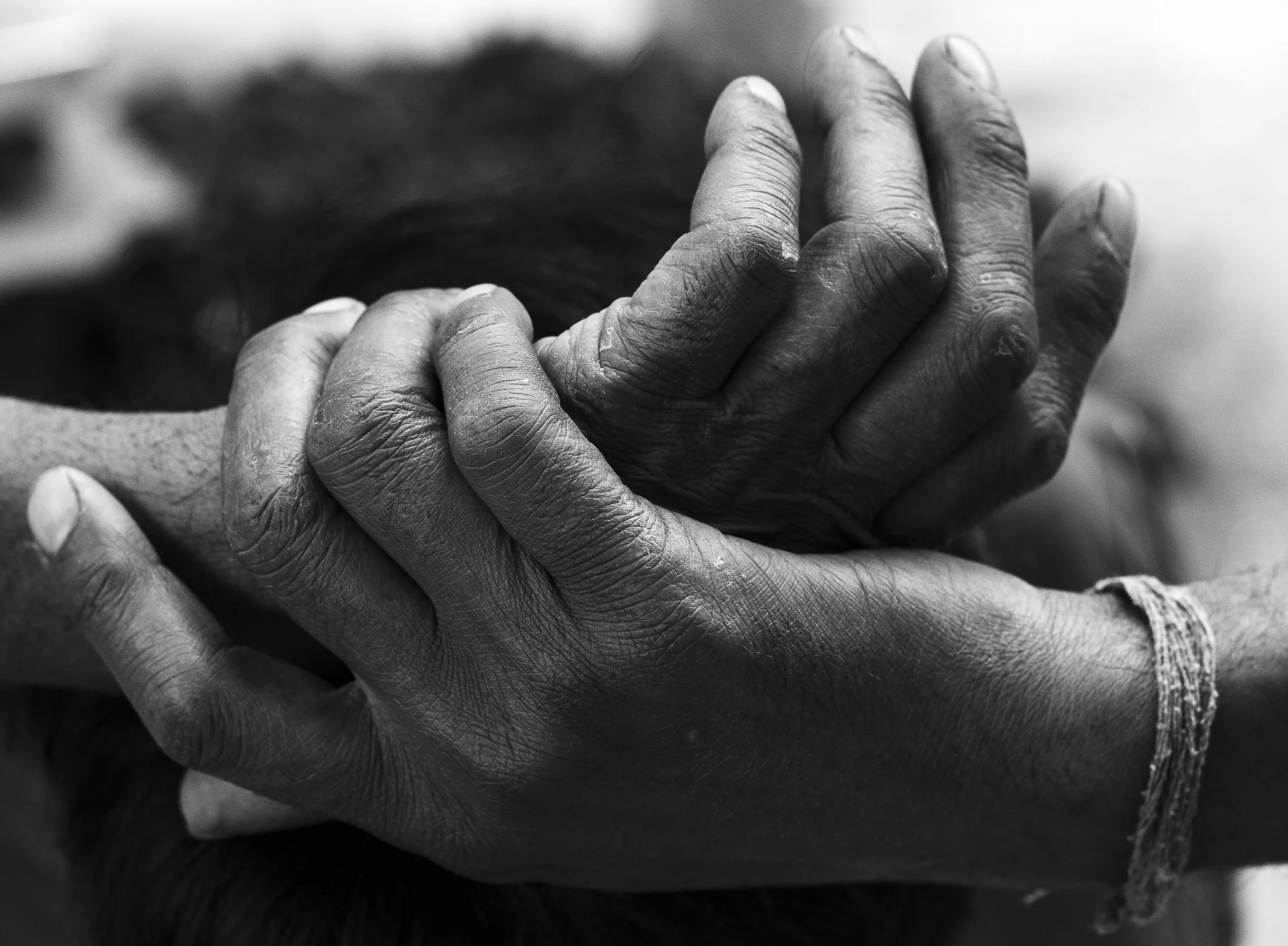
Photo: Danny
***
Danny is a documentary and portrait photographer based in New Delhi. A 2025 graduate of AJK-MCRC, Jamia Millia Islamia, his practice is rooted in exploring the raw textures of the human form and the social realities of urban life. His environmental reportage has been featured in The Quint. You can find him on Instagram: @color.lensjourney.