

Sita and Draupadi: The Unmaking and Remaking of India’s Mythological Heroines
In the comparisons between Sita and Draupadi, Urmi Bhattacheryya argues how the trope of ‘the other woman’ has hurt feminism in Indian mythology.
Poetry by John Copley Alter: ‘In the proximity / of other gods—other sutras— / we muttered our creed—you // pecking / away at your manual typewriter— / carbon copies of personal letters / home—to the diaspora—we // noodling on the keyboard of happiness’
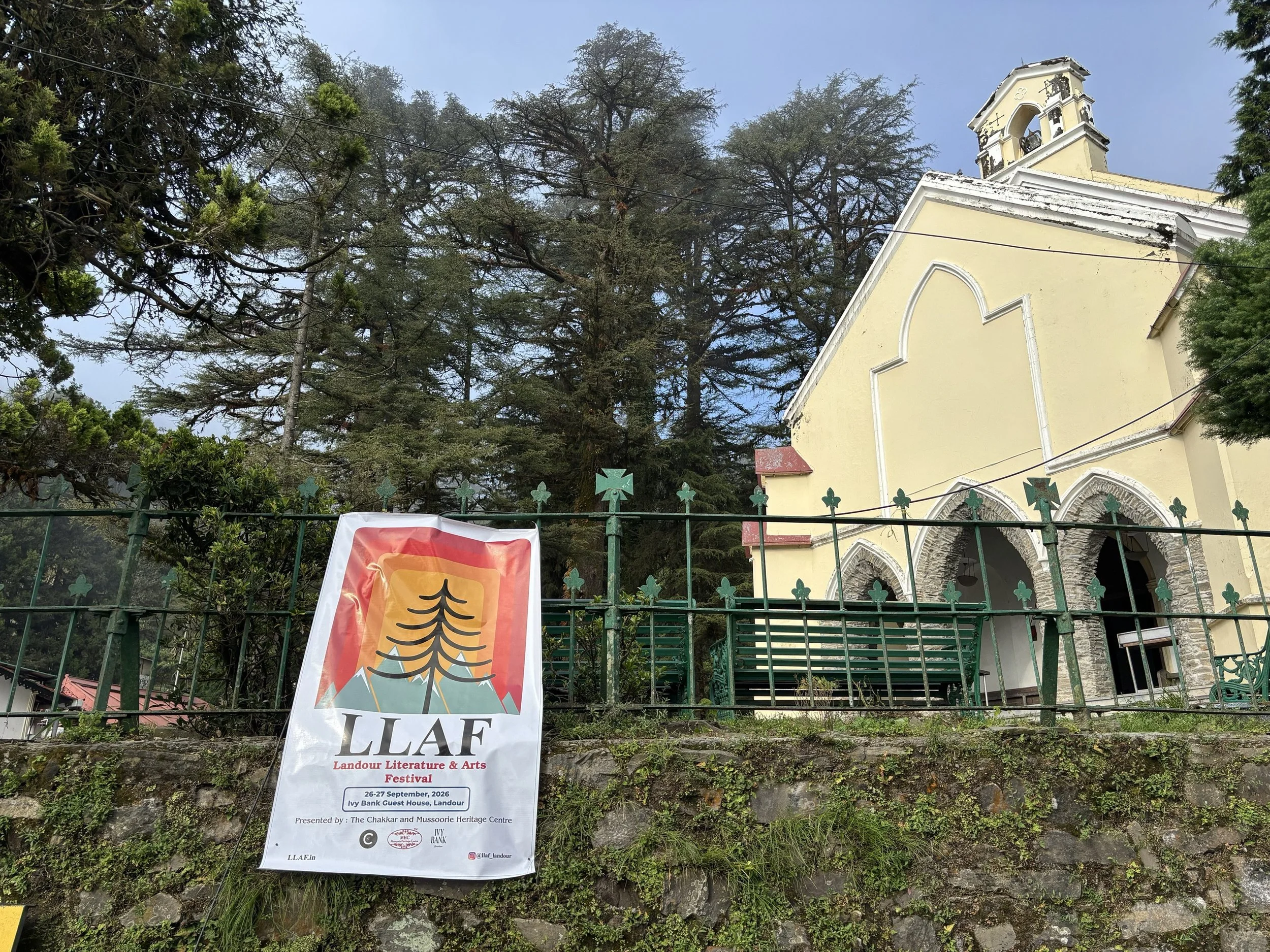
Featuring dozens of literary conservations, book releases, film screenings, live music, art exhibitions, folk dances, and more, the second edition of LLAF saluted the resolute spirit of the Himalaya. By The Chakkar and Mussoorie Heritage Centre
In the comparisons between Sita and Draupadi, Urmi Bhattacheryya argues how the trope of ‘the other woman’ has hurt feminism in Indian mythology.
Poetry by Saoirse: ‘let us build a night on the marble edifice / of silence. Spread freshly laundered sheets / over the freckled sky and light / the twin candles of our bodies.’