
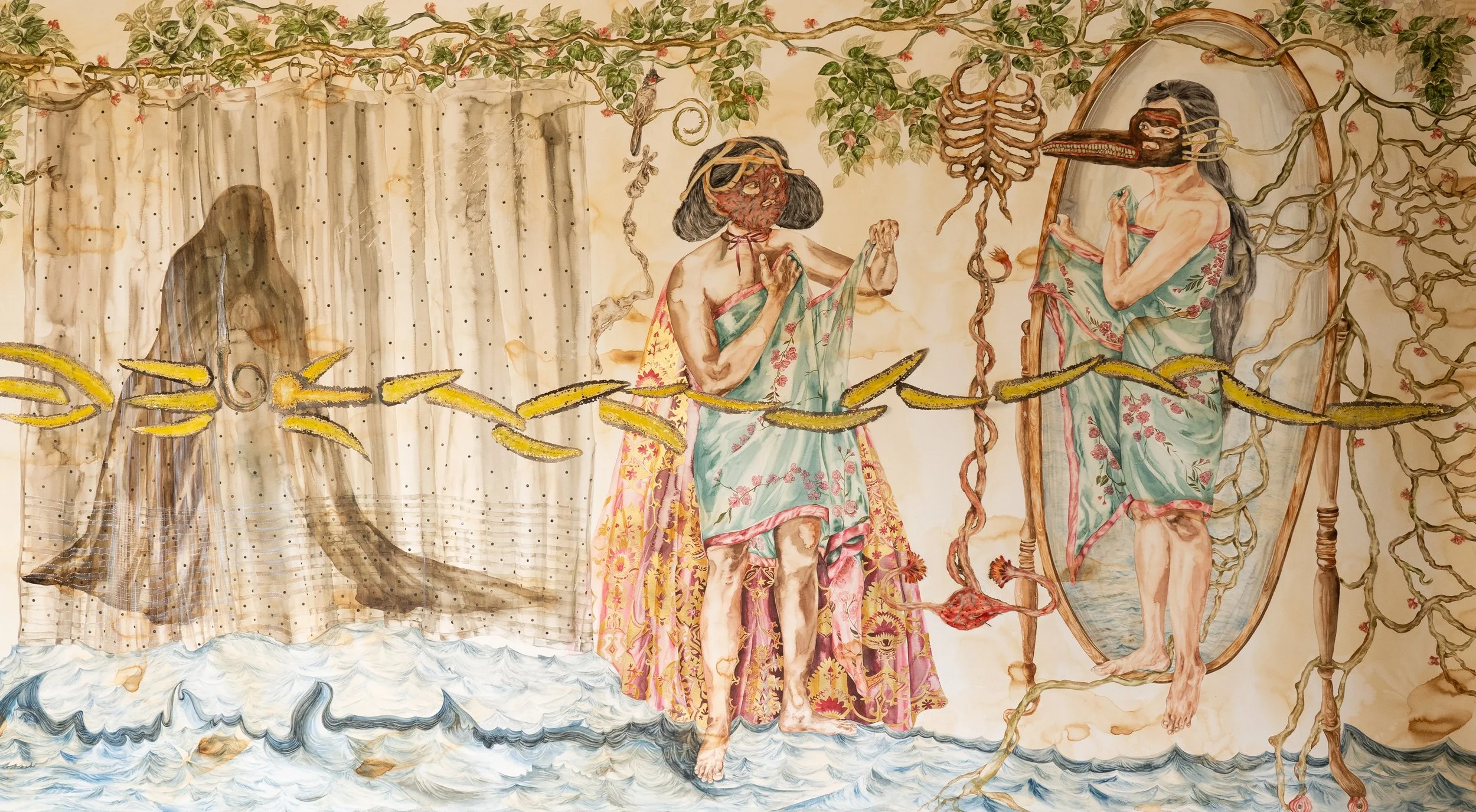

A ‘Janus-like’ Being: The Long Shadow of “Vande Mataram”
From ancient Hindu traditions of retributive violence as well as history of aid and inspiration from abroad, Abhimanyu Kumar explores the complicated associations of our national song with India’s revolutionary movement.
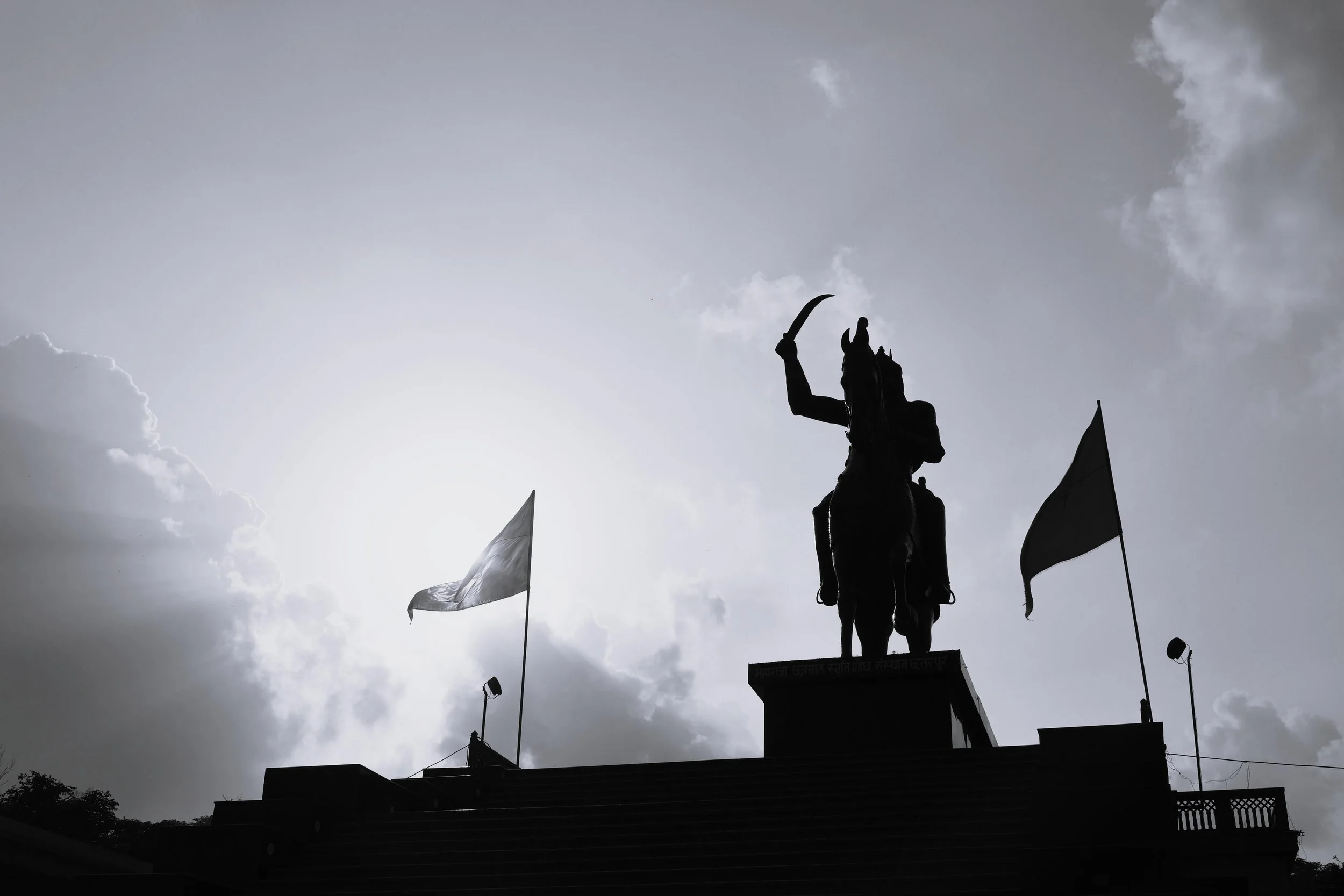
A Nation’s Song: The Early History of “Vande Mataram”
From its origins in the 1882 novel Anandmath, the attention of European Orientalists, and the impact on early Hindu nationalist movements, Abhimanyu Kumar traces the complicated legacy of India’s national song.
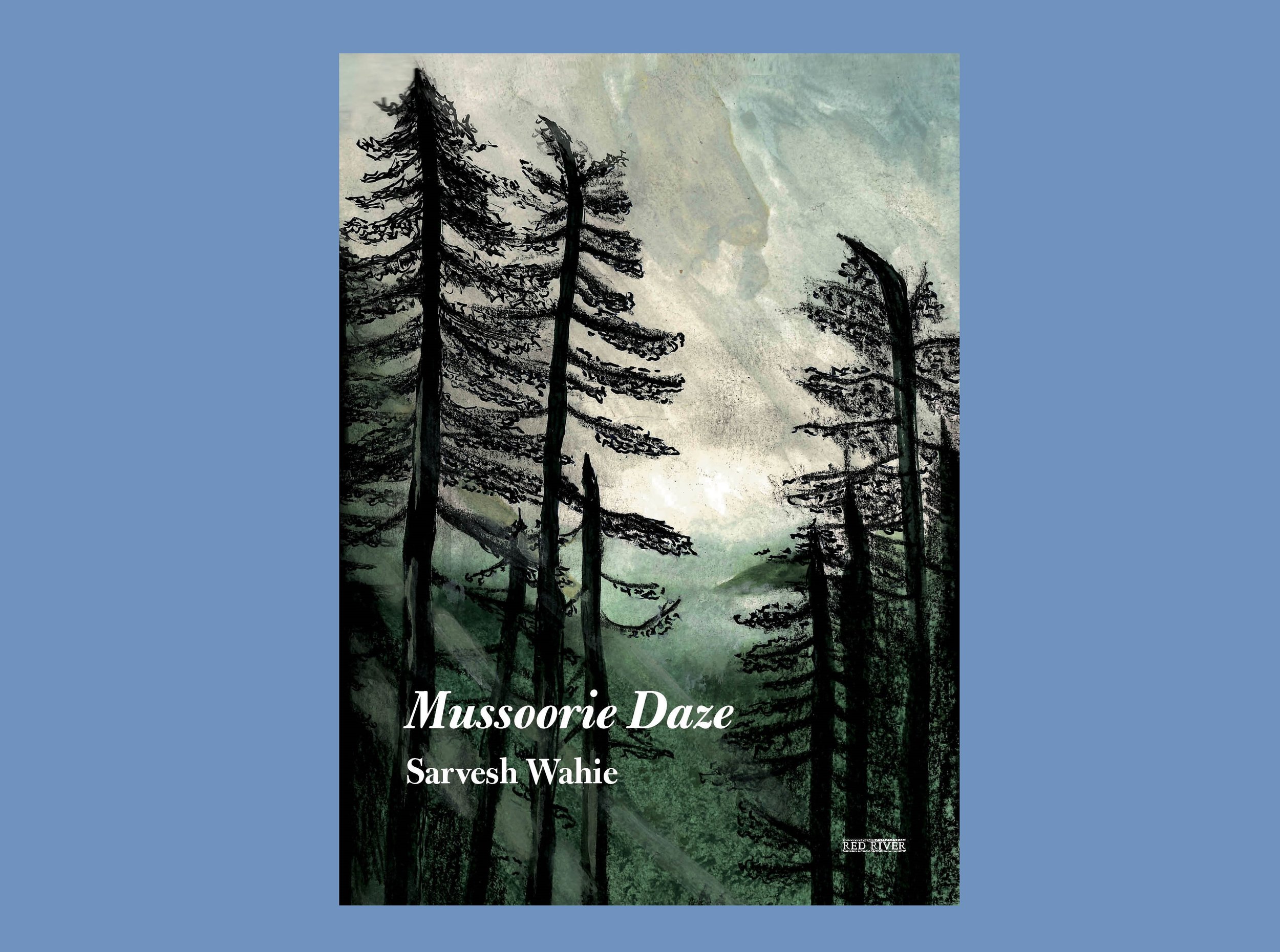
Innocence Lost: Sarvesh Wahie’s Poetic Lament for Mussoorie
Written with understated, sublime beauty, Sarvesh Wahie’s Mussoorie Daze (2025) is a literary and philosophical text that examines the ontology of a lost Himalayan paradise, and the changing character of memory, self, solitude, and community. By Abhimanyu Kumar

Reclaiming the Lost House of Oudh
For decades, abandoned and alone in a desolate jungle mansion in Delhi lived Wilayat Mahal and her self-proclaimed royal family. After the death of the last prince at Malcha Mahal, Abhimanyu Kumar decoded history, personal accounts, and mysterious texts to explore if the family were the true inheritors of the House of Oudh.

‘We Shall Not Live Half-Asleep’: Glimpses of Revolution from the Farmers’ Protests
In a continuing large-scale protest, farmers have taken their stands in multiple borders around the New Delhi, prepared to force the government to blink first. Abhimanyu Kumar visited the Singhu border to find a spirit of resilience and revolution.

Leaving Behind the Stardust: Inder Salim and a life sacrificed to art
Performance artist Inder Salim has traversed the profane, the political, and the poetic. Abhimanyu Kumar explores the process behind Salim’s ground-breaking work, where the mundane becomes magical, imperfections are embraced, taboos are broken, and for fleeting moments, the audience and the artist share a sense of transcendence.
Poetry by John Copley Alter: ‘In the proximity / of other gods—other sutras— / we muttered our creed—you // pecking / away at your manual typewriter— / carbon copies of personal letters / home—to the diaspora—we // noodling on the keyboard of happiness’