


The Fraught Relationship Between Reality and Spectacle in Telugu Cinema
The problematic representation of women in many recent Telugu blockbusters like Peddi and the Pushpa films have stoked controversy. When mainstream commercial cinema consistently turns the sexualisation of women into entertainment, who should be responsible for the world these images help create? By Sumithra Prasanna
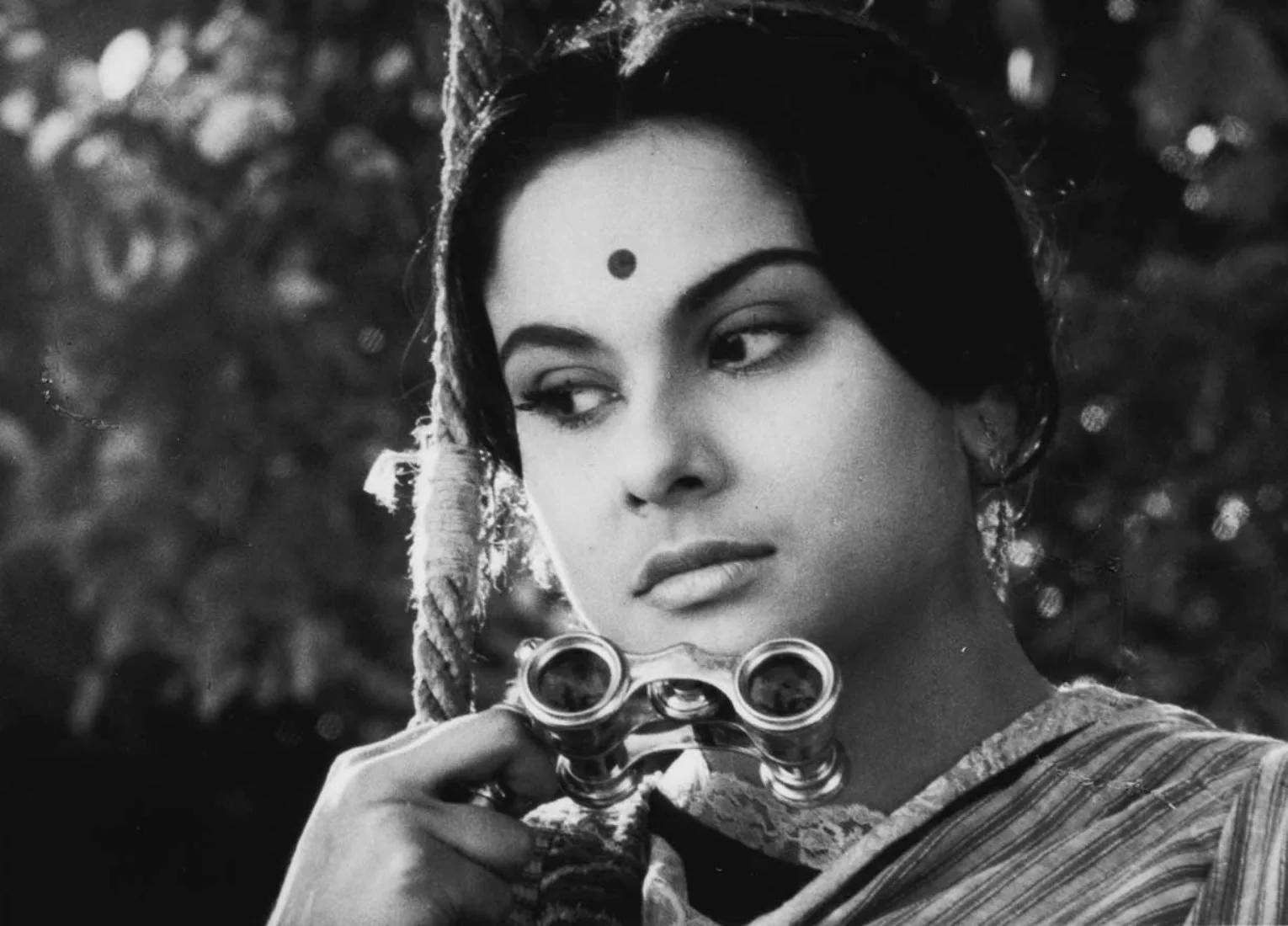
‘Charulata’ and The Unseen Woman
‘To exist fully as an artist and human, one must be seen, heard, read, and acknowledged’: Farah Ahamed explores Satyajit Ray’s Charulata through the lens of Simone de Beauvoir.

Resistance and Care in Nihaarika Negi’s TENFA
Set against the landslide-prone terrain of Kinnaur, plagued by environmental collapse and infrastructural neglect, the short film Tenfa (2026) provides a vision of hope through memory, ecology, and community. By Sohini Sengupta

Mass Market Hate
Propaganda films force upon us the grand question, writes Sanjay Basak: Are we loudly applauding the breathtaking production on screen, or are we quietly absorbing the idea that someone, somewhere, deserves to be feared, hated, or erased?
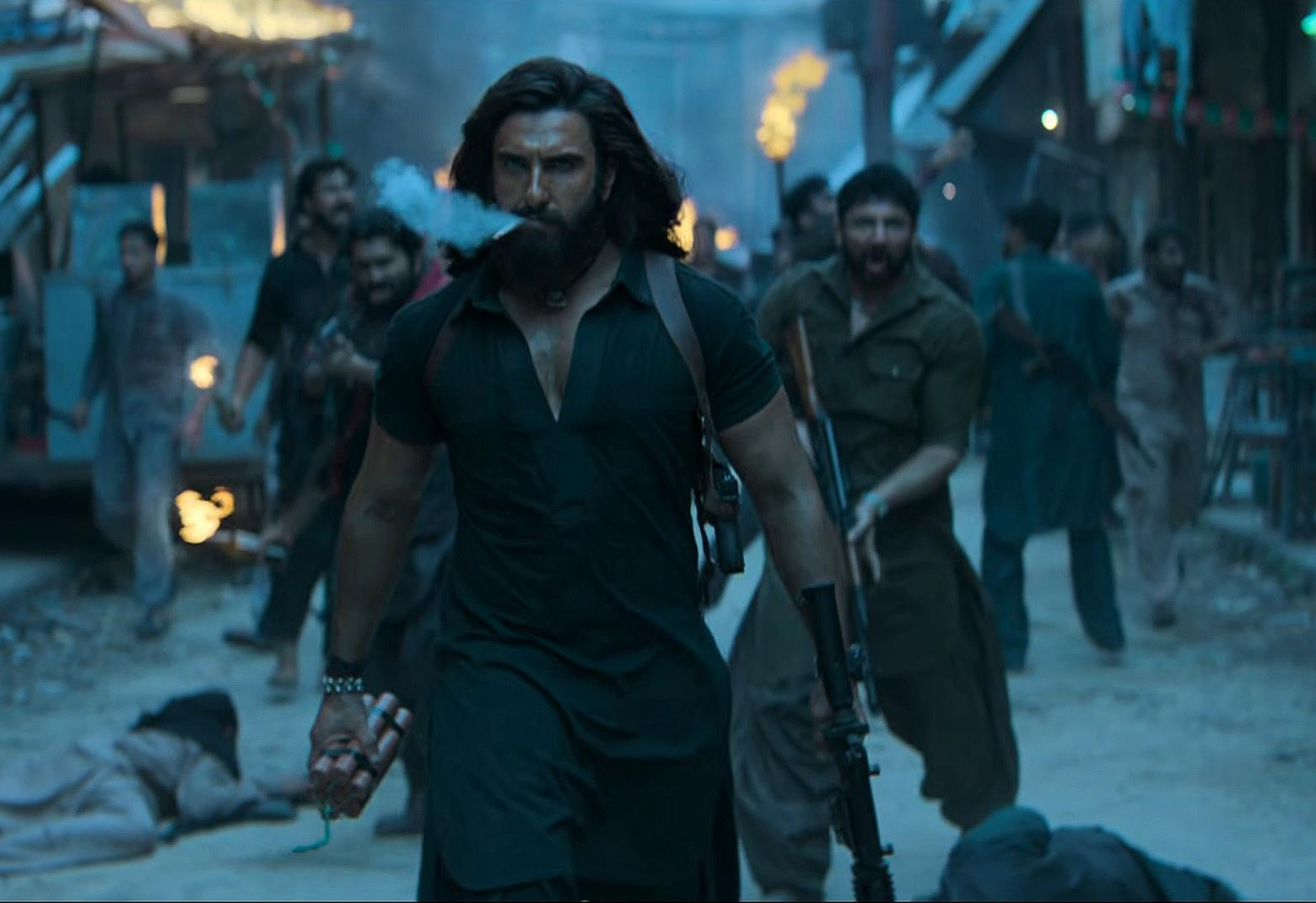
The Unsettling Politics of Violence and Music in ‘Dhurandhar’
With brutal carnage presented with celebratory beats, Dhurandhar: The Revenge pushes viewers towards a stony insensitivity, creating a sense of heightened tempo and exhilaration without moral recoil. By Abin Chakraborty
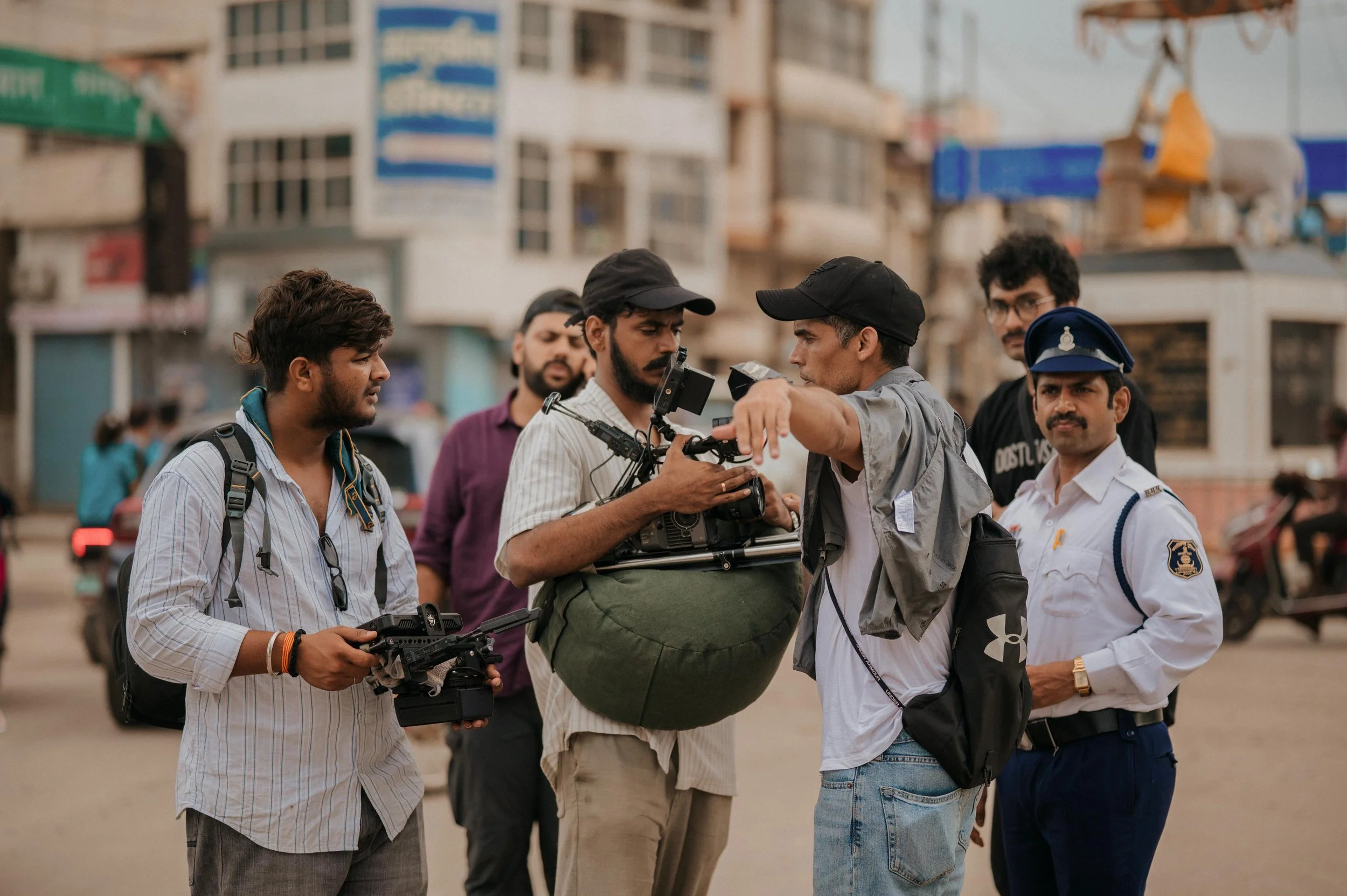
Heat / Action
Tej Sisodia’s short film It’s Only 47° C highlights the dangers faced by India’s most vulnerable populations at the face of climate change. Sravasti Datta goes behind the scenes with the filmmakers to learn more.
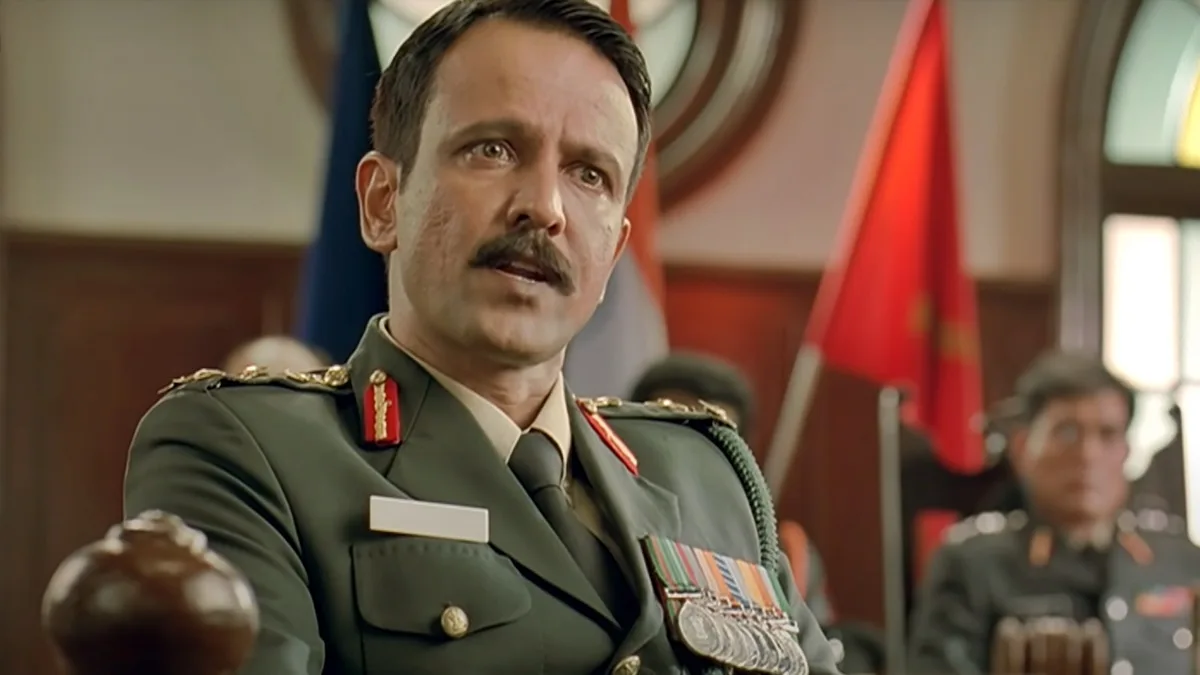
How to Resist a Postmodern Zombification
From Dhurandhar’s Rahman Dakait to Shaurya’s Rudra Pratap Singh, Abin Chakraborty delves into Miltonic rhetoric to explore social media trends of heroism celebrated without moral rectitude.
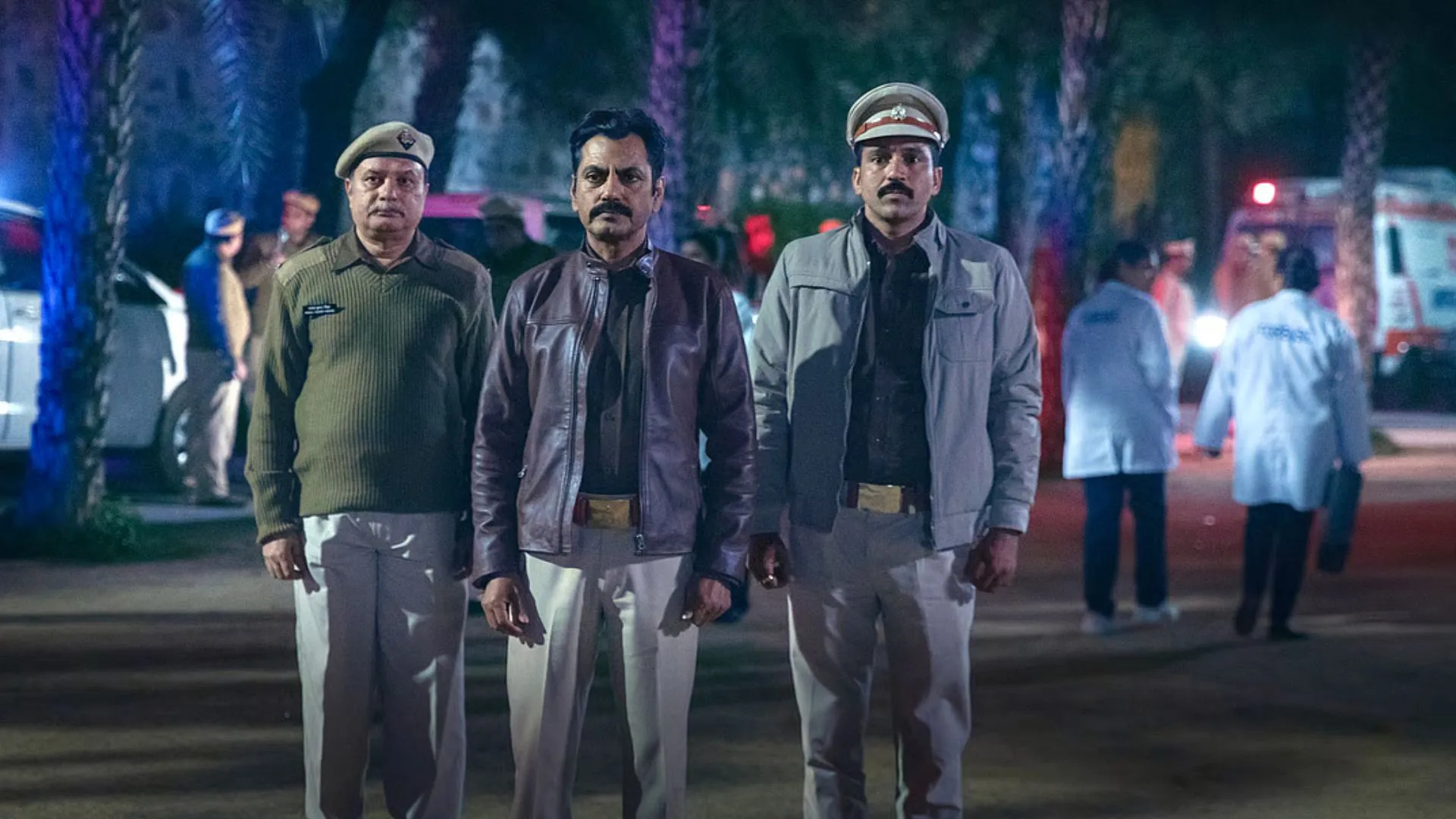
In the Second RAAT AKELI HAI, the Genre Reaches its Saturation Point
The crimes are bigger and bloodier in Raat Akeli Hai: The Bansal Murders, and the motives even messier; but at its core, the film is a hollow reproduction of its genre predecessors, a familiar formula traced into an inferior product. By Karan Madhok
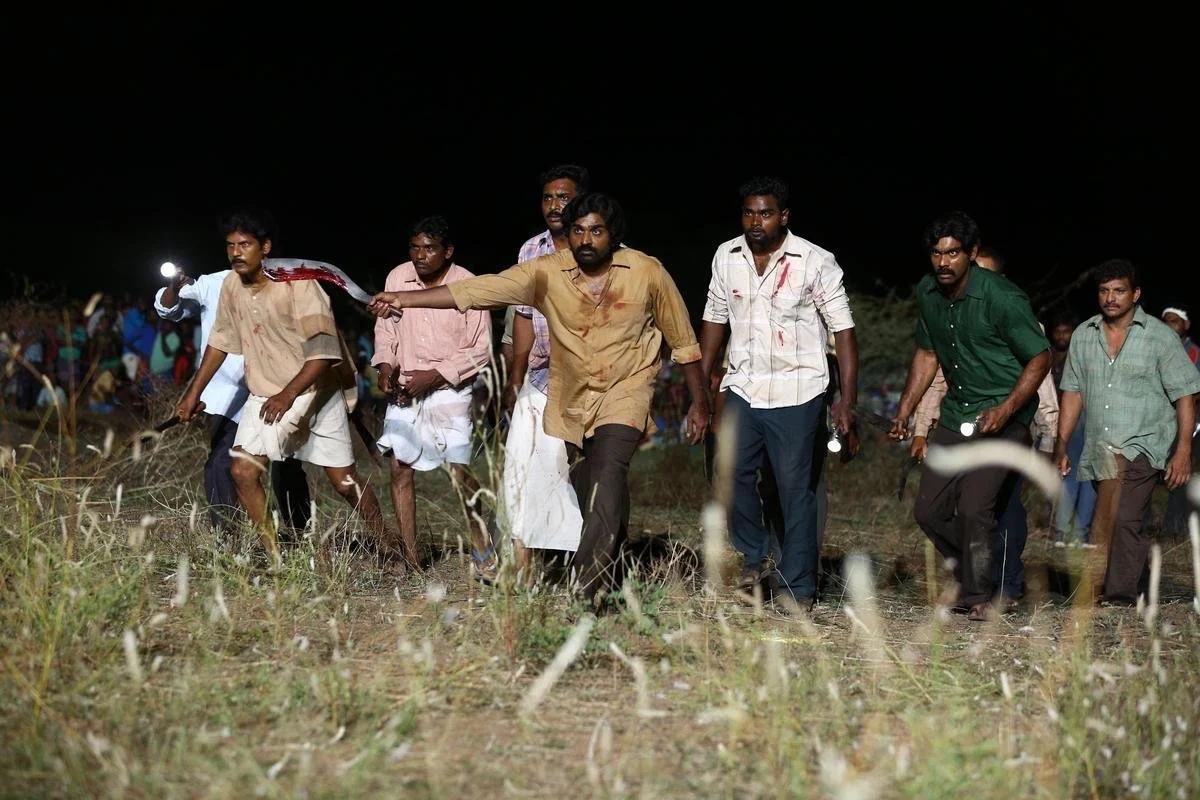
Red Streaks on the Silver Screen
Through films like Viduthalai, Hazaaron Khwaishein Aisi, Virata Parvam, and more, Marnina (Avirup) explores how portrayals of the Naxalite Movement in Indian cinema confront the many under-represented fractures of our democracy.

HOMEBOUND, SABAR BONDA, and the Immeasurable Burden of One’s Roots
Through sensitive character studies and relationships, Homebound and Sabar Bonda pose urgent questions about migration and the life-altering distances between the metro and the village. By Sarthak Parashar

The Curious Case of Tripti Dimri
Tripti Dimri has become the newest face of self-made stardom, paving her professional path with roles ranging from complex feminist heroines to objectified ‘items’ for the male gaze. With her career at a tipping point, can she avoid the industry’s pitfalls and rise to the apex? By Sneha Bengani

From Meme to Mania: The Cult Resurgence of Lord Himesh
“Jai Mata Di, let’s rock.” Himesh Reshammiya’s career has come full circle: from topping the charts, to flops and cringe compilations, and back to dominating global rankings. By Himanshi Aggarwal
Bena Sareen, winner of the Oxford Bookstore Book Cover Prize, speaks about her latest honour and the “huge responsibility” of designing a memorable literary cover. By Chittajit Mitra